
Beautiful Plants For Your Interior
Beautiful Plants For Your Interior
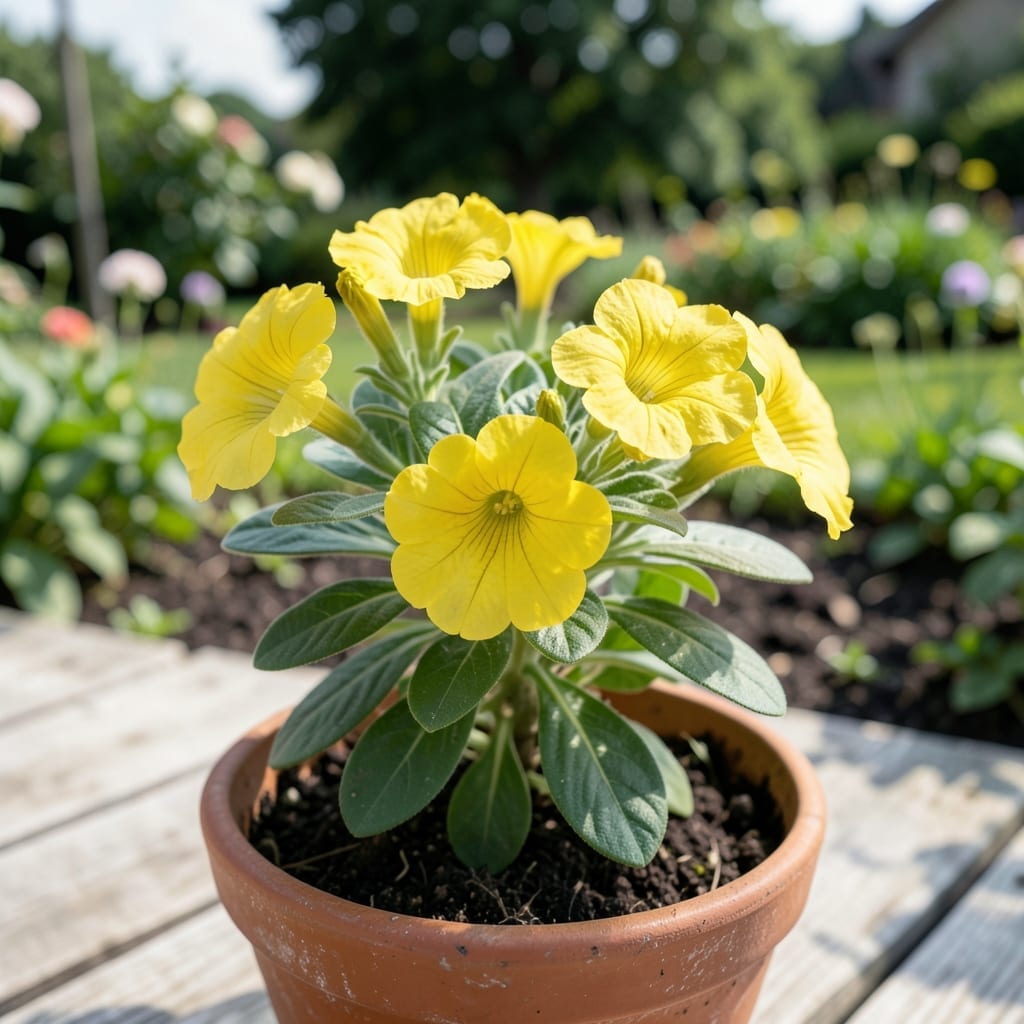
Sunshine on a stem. I first planted Madness Yellow Petunias three seasons ago and they’ve outshone every other annual in my borders.
These vibrant yellow blooms thrive in full sun, bouncing back after rain like they’re on a mission. They need well-draining soil and 6+ hours of sunlight daily—any less and they get leggy fast.
Deadheading spent flowers keeps them pumping out new blooms through summer heat. The color stays bright, not faded, even in the harshest afternoon light.
Perfect for containers, hanging baskets, or mass planting. Once they start, they don’t stop.
The sudden shift from vibrant purple or pink to a pale yellow in petunias—often called “madness yellow petunia”—is usually a sign of stress or imbalance. Below are the most common causes, explained with actionable fixes.
Petunias are heavy feeders. A lack of nitrogen or iron often triggers yellowing leaves (chlorosis). Nitrogen deficiency starts in older leaves, while iron deficiency appears in new growth. Fix: Use a balanced, water-soluble fertilizer (10-10-10) weekly or apply chelated iron if soil pH is high (above 6.5).
Root rot from soggy soil disrupts nutrient uptake, leading to yellow, wilted foliage. Petunias prefer moist but well-draining soil. Fix: Check soil moisture 1 inch deep—if it’s muddy, reduce watering. Ensure pots have drainage holes, and amend garden beds with compost or perlite.
While petunias love sun, intense afternoon heat (especially in southern climates) can scorch leaves, turning them yellow or brown. Fix: Provide afternoon shade in extreme heat or use mulch to retain moisture. Varieties like ‘Wave’ tolerate heat better than grandifloras.
Aphids, spider mites, and whiteflies sap plant juices, causing yellow stippling or mottling. Fix: Spray with insecticidal soap or neem oil at dusk, targeting leaf undersides. Introduce beneficial insects like ladybugs for long-term control.
If your madness yellow petunias aren’t blooming as vibrantly as they should, don’t worry—these fixes will get them back on track. Below are targeted solutions for common issues, along with prevention tips to keep your garden thriving.
Petunias need well-draining, nutrient-rich soil. If your plants look weak or yellow, test the soil. Mix in compost or aged manure to improve fertility. For heavy clay or sandy soil, add peat moss or perlite to balance drainage and moisture retention.
Prevention: Start with quality potting mix or amend garden beds before planting. 💡 Pro tip: A 2-inch layer of mulch helps retain moisture and suppress weeds.
Yellowing leaves or wilting often signal water stress. Petunias prefer consistent moisture—water deeply when the top inch of soil feels dry, but avoid soggy conditions. Use a drip irrigation system or water at the base to keep foliage dry and prevent disease.
Prevention: Water early in the morning to reduce evaporation and fungal risks. 🌡️ Hot climates? Check soil moisture daily in extreme heat.
Aphids, spider mites, or whiteflies can sap your petunias’ strength. Blast pests off with a strong spray of water, or apply neem oil or insecticidal soap for severe cases. Introduce beneficial insects like ladybugs for long-term control.
Prevention: Inspect plants regularly and remove debris where pests hide. ✨ Bonus: Companion planting with marigolds or basil can deter pests naturally.
Leggy growth or sparse blooms often mean too little sunlight. Petunias need at least 6 hours of sun daily. Move potted plants to a sunnier spot or trim nearby plants casting shade. For in-ground petunias, consider thinning surrounding foliage.
Prevention: Plan your garden layout to ensure petunias get full sun, especially in cooler climates.
Water when the top 1 inch of soil feels dry, usually every 2-3 days in hot weather. Always water at the base to keep foliage dry and prevent disease.
Use a balanced, water-soluble fertilizer like 10-10-10 weekly. For extra color, switch to a bloom-boosting formula higher in phosphorus every other feeding.
Leggy growth usually means they need more sunlight or regular pruning. Pinch back stems by 1/3 every few weeks to encourage bushier growth and more flowers.
Yes! Use containers with drainage holes and fill with well-draining potting mix. Containers may need daily watering in hot climates to prevent drying out.