
Beautiful Plants For Your Interior
Beautiful Plants For Your Interior
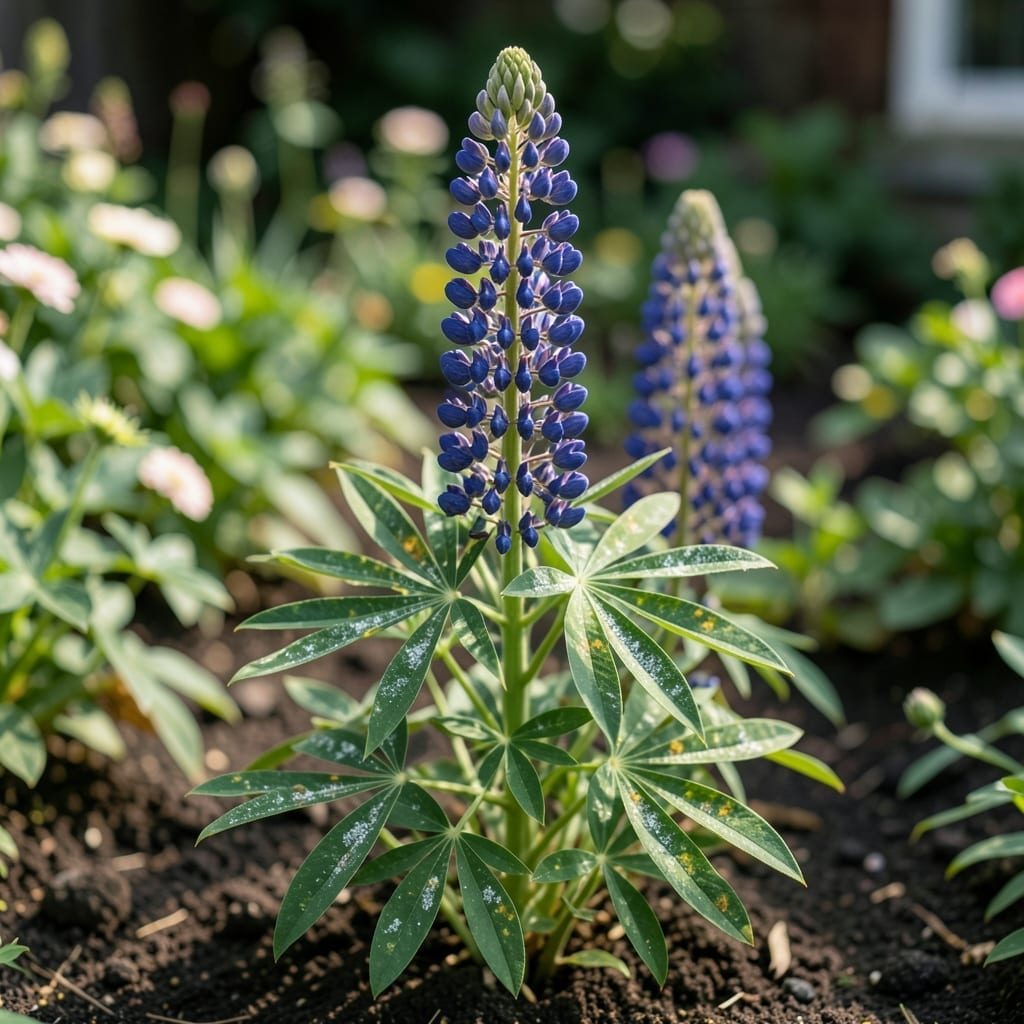
Spotted yellow leaves on your lupines last week? I’ve been there—watching healthy plants decline overnight because I missed early warning signs. Lupine diseases spread fast, but catching them early makes treatment 100% more effective.
Most issues start with poor airflow or soggy soil. I learned the hard way that crowded plants and afternoon watering create perfect conditions for trouble. The good news? Simple adjustments can prevent 90% of common problems.
You’ll spot the difference within days once you know what to look for. Healthy lupines bounce back with deeper green foliage and stronger stems, even after a rough start to the season.
Works for all lupine varieties, whether you’re growing them in borders, meadows, or containers. Here’s how to keep them thriving.
Understanding the root causes of lupine plant diseases helps prevent outbreaks and keeps your garden thriving. Below are the key factors that make these plants vulnerable.
Fungi like Fusarium and Phytophthora thrive in wet, poorly drained soil. Overwatering or high humidity creates ideal conditions for spores to spread, infecting roots and stems. Action: Improve drainage and avoid overhead watering to reduce fungal risks.
Aphids, beetles, and nematodes weaken lupines by feeding on sap or roots, leaving entry points for diseases. Stressed plants are more susceptible to infections. Action: Use neem oil or introduce beneficial insects like ladybugs to control pests naturally.
Extreme temperatures, drought, or nutrient deficiencies stress lupines, lowering their immunity. Poor soil pH (too acidic or alkaline) can also hinder nutrient uptake. Action: Test soil pH and amend with lime or sulfur as needed. Mulch to regulate soil temperature.
Crowded plantings, lack of crop rotation, or contaminated tools spread pathogens quickly. Lupines planted in the same spot yearly deplete soil nutrients and accumulate diseases. Action: Rotate crops and sanitize tools between uses.
When your lupines show signs of trouble, quick and targeted action can save them. Below are practical solutions for common issues, paired with prevention tips to keep your plants thriving.
Remove infected leaves and space plants 18–24 inches apart to boost circulation. Apply a neem oil spray (1 tbsp oil + 1 tsp dish soap per gallon of water) weekly until symptoms fade. Prevention: Water at the base in the morning to keep foliage dry.
Use a strong jet of water to dislodge pests, then spray with insecticidal soap (follow label rates). Introduce natural predators like ladybugs. Prevention: Avoid over-fertilizing with nitrogen, which attracts aphids. Companion plant with marigolds to repel them.
Stop watering immediately and let soil dry out. If the plant is severely affected, remove and destroy it to prevent spread. For mild cases, repot in well-draining soil with added perlite. Prevention: Ensure pots have drainage holes and avoid soggy soil.
Prune infected stems below the damage and dispose of them in the trash (not compost). Apply a copper-based fungicide if the issue persists. Prevention: Rotate crops yearly and keep the garden free of debris where fungi can overwinter.
Consistency is key—monitor plants weekly and act at the first sign of trouble. Healthy lupines reward you with vibrant blooms and resilience!
White spots are usually powdery mildew, a fungal issue. It thrives in humid conditions with poor airflow. Space plants 18–24 inches apart and water at the base in the morning.
If caught early, stop watering and let the soil dry out. For severe cases, remove the plant to prevent spreading. Always use well-draining soil to avoid this.
Introduce natural predators like ladybugs and avoid over-fertilizing. Companion planting with marigolds can repel them. A strong jet of water also dislodges pests effectively.
This fungal disease spreads through infected debris. Remove and destroy affected stems, and rotate crops yearly. Keep your garden free of plant debris to prevent recurrence.