
Beautiful Plants For Your Interior
Beautiful Plants For Your Interior
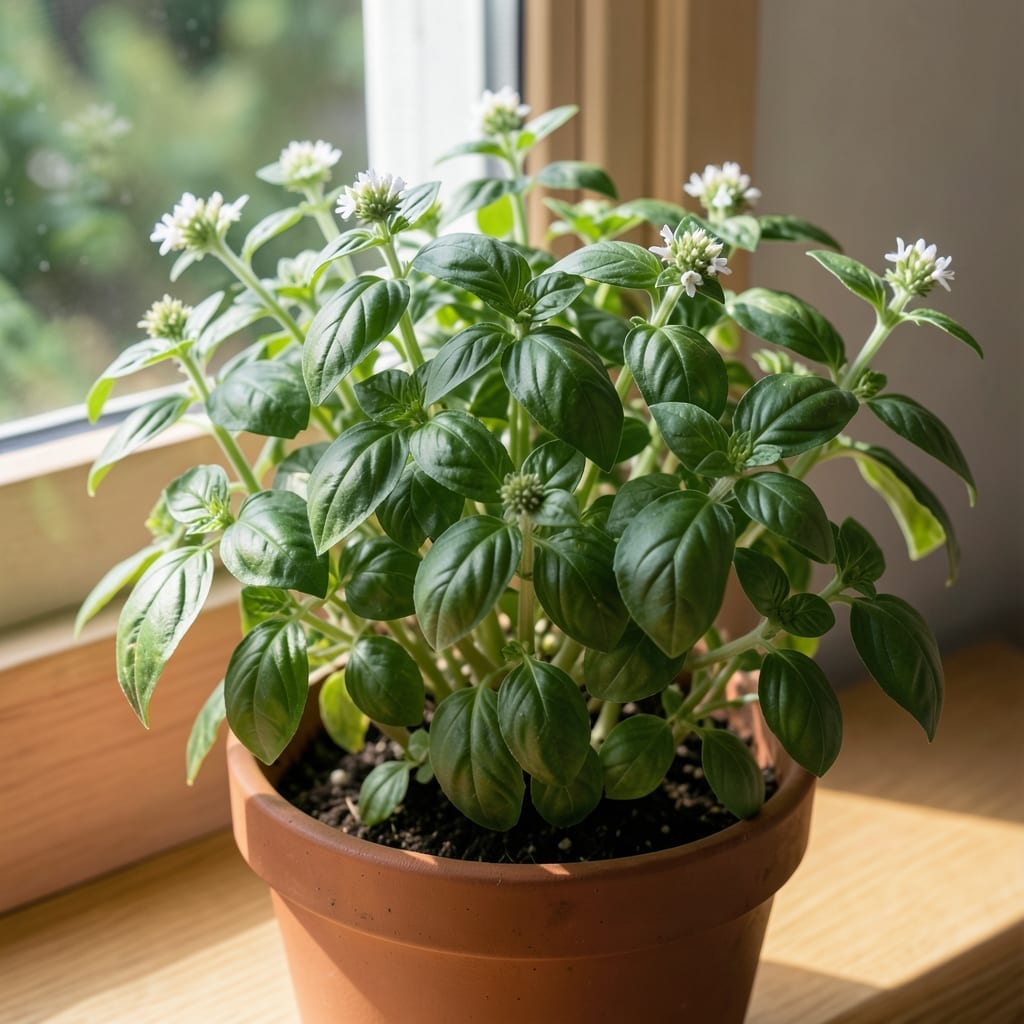
There’s nothing worse than watching your thriving 🌿 Basil plants wilt overnight when temperatures dip too low. I learned this lesson the hard way during an unexpected spring cold snap.
Understanding your Basil’s cold tolerance is the key to preventing this heartbreaking scenario. While this herb loves warmth, knowing its limits helps you act before it’s too late.
I’ll share the exact temperature threshold Basil can handle and what happens when it gets too cold. These insights will help you protect your plants and extend your growing season.
Discover practical tips to shield your Basil from chilly weather and keep it thriving. Let’s ensure your garden stays lush and productive.
As a warmth-loving herb, basil has very low cold tolerance. Most varieties can’t handle temperatures below 50°F (10°C) without showing stress.
When the mercury dips to 32°F (0°C), basil plants face serious danger. Frost will typically kill them outright, as their tender leaves aren’t built for freezing conditions.
| Basil Variety | Minimum Temperature | Cold Sensitivity |
|---|---|---|
| Sweet Basil | 50°F (10°C) | High |
| Genovese Basil | 45°F (7°C) | Very High |
| Thai Basil | 48°F (9°C) | High |
| Lemon Basil | 50°F (10°C) | High |
The first sign of cold stress in basil is often blackened leaves. This happens when temperatures drop below the plant’s comfort zone for extended periods.
I’ve noticed that even mild chilling at 40-50°F (4-10°C) can cause stunted growth and yellowing leaves, especially in young plants.
For most gardeners, this means basil should be planted only after the last spring frost when soil temperatures reach at least 60°F (15°C).
In my experience, container-grown basil offers more flexibility. You can move pots indoors when cold snaps are forecasted, giving your plants a fighting chance.
The cell structure of basil leaves is particularly sensitive to cold. When temperatures drop too low, ice crystals form within the cells, causing irreversible damage.
This is why frost protection is non-negotiable for basil. Even a light frost can mean the end for your plants, so it’s crucial to monitor weather forecasts closely.
Remember that wind chill can make temperatures feel even colder to your plants. A still, cold night might be more damaging than you expect.
By understanding these temperature thresholds, you can time your planting and take protective measures to keep your basil thriving throughout the growing season. 🌿
When cold weather threatens, I always take action to shield my basil from damage. This tender herb can’t handle frost, so prevention is key to keeping it alive and thriving.
Even temperatures just above freezing can stress basil plants, causing stunted growth or blackened leaves. I’ve found that proactive protection makes all the difference in saving your crop.
I always monitor weather forecasts closely during spring and fall. If temperatures are predicted to drop below 50°F (10°C), I prepare to protect my basil immediately.
Row covers are my go-to solution for in-ground plants. They create a microclimate that traps heat from the soil, often adding 4-6°F of warmth to the environment.
For potted basil, the solution is simpler. I move containers to a sunroom, garage, or even indoors near a south-facing window when cold snaps are expected.
Don’t forget to remove covers during the day to allow sunlight and air circulation. This prevents moisture buildup and ensures your basil doesn’t overheat or develop fungal issues. ☀️
With these simple precautions, you can extend your basil’s growing season and enjoy fresh leaves even when the weather turns chilly. 🌿