
Beautiful Plants For Your Interior
Beautiful Plants For Your Interior
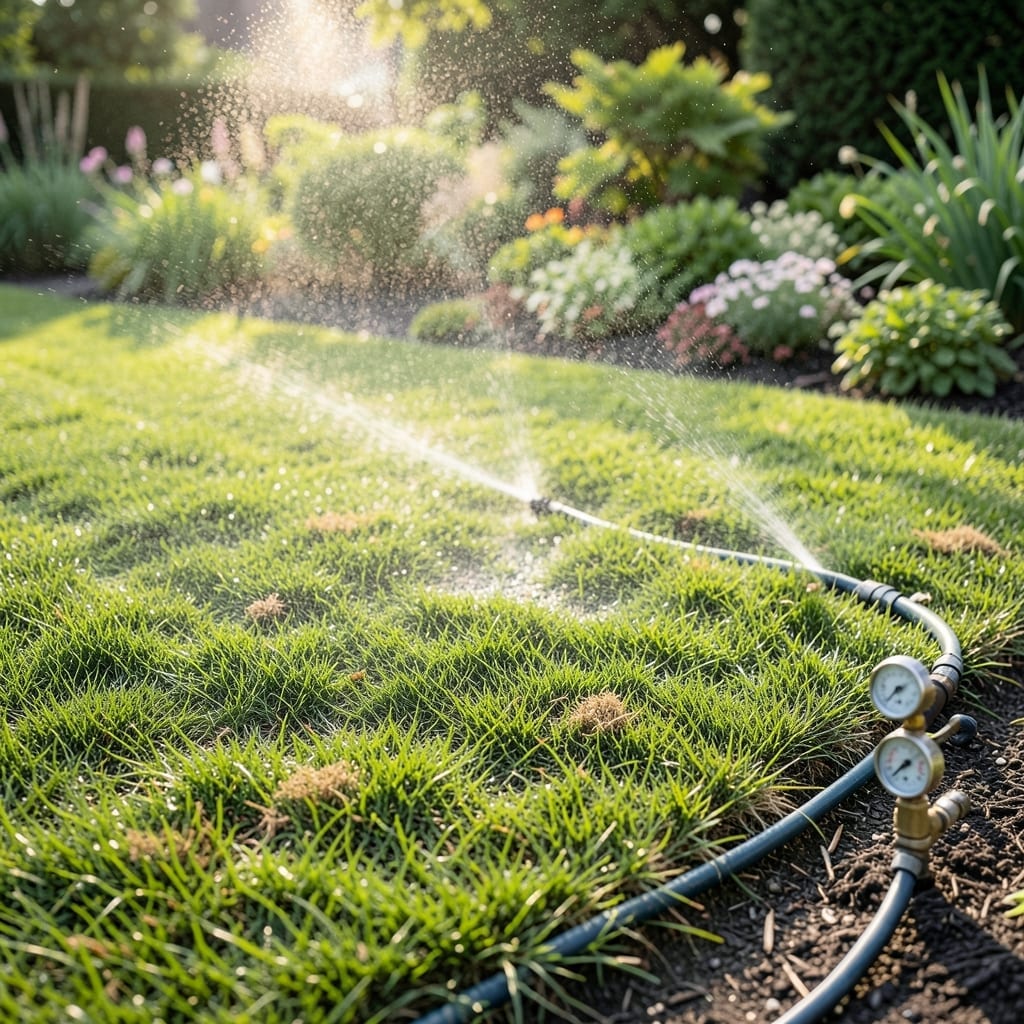
Nothing kills garden momentum like sprinklers that barely dribble. I’ve stood there watching my lawn turn brown while the system sputtered, and the frustration is real—until you realize most fixes take less than an hour and cost almost nothing.
Low pressure usually traces back to three culprits: clogged nozzles, half-closed valves, or a kink in the main line. The good news? Each has a simple test. Start at the sprinkler heads and work backward toward the water source.
You’ll often find the solution before you even grab tools. A quick rinse of a nozzle or twist of a valve can restore full spray. The difference between sad dribbles and a powerful, even coverage is often just a little detective work.
Works for in-ground systems, hose-end sprinklers, or drip setups. Let’s get that water flowing right again.
Low water pressure in your sprinkler system can stem from several underlying issues. Here’s a breakdown of the most common causes, explained clearly and scientifically:
Sediment, mineral buildup (like calcium or rust), or debris can clog pipes over time, restricting water flow. This is especially common in older systems or areas with hard water. Actionable tip: Flush your pipes annually to remove accumulations.
If the main control valve isn’t fully open or is damaged, it limits water volume. Similarly, undersized valves (relative to your system’s demand) can’t supply enough water. Check: Ensure valves are fully open and match your sprinkler’s flow rate requirements.
Your municipal or well water supply may not deliver sufficient pressure (measured in PSI). Low municipal pressure or a shallow well pump can starve your system. Solution: Test your home’s static water pressure with a gauge—below 30 PSI often indicates a supply issue.
Cracks in pipes or loose fittings cause pressure drops by diverting water. Even small leaks waste gallons per minute. How to spot: Look for soggy patches near sprinkler lines or unexplained spikes in water bills.
A failing regulator can either over-restrict flow or fail to boost pressure. If your system has one, test it by adjusting settings and monitoring output. Pro tip: Replace regulators older than 5–7 years as a preventive measure.
Pinpointing the exact cause starts with isolating the issue—check each component systematically from the water source to the sprinkler heads.
If your sprinklers are barely trickling, these targeted fixes can restore strong, even water flow. Start by identifying the most likely cause, then follow the steps below.
Turn off the water supply and remove the sprinkler heads. Use a small wire or pin to clear debris from the nozzles. For stubborn clogs, soak them in vinegar and water (1:1 ratio) for 30 minutes. If pipes are clogged, flush the system by opening the end caps and running water through for 2–3 minutes.
Prevention tip: 💡 Install a filter screen on your main water line to catch sediment before it enters the system.
Locate the main shutoff valve and any zone valves (often near the backflow preventer or controller). Turn them fully counterclockwise to open. If valves are stiff, apply plumber’s grease to the stem and turn gently.
Prevention tip: ✨ Check valves monthly during peak watering seasons to ensure they’re fully open.
If your system has a regulator, test it with a pressure gauge (attach to an outdoor spigot). Ideal sprinkler pressure is 30–50 PSI. If readings are low, adjust the regulator’s screw or replace it if it’s damaged.
Prevention tip: 🎯 Have your regulator inspected annually—wear and tear can reduce its effectiveness over time.
Check if other outdoor fixtures (hose bibs, spigots) also have low pressure. If so, the problem may be with your municipal supply or well pump. Contact your water provider or a plumber to diagnose. For well systems, check the pressure tank and ensure the pump is functioning.
Prevention tip: 🌡️ Monitor your water bill for unexplained spikes, which could indicate leaks or supply problems.
Inspect visible pipes for damp spots, puddles, or hissing sounds. Dig carefully near suspected leaks (call 811 to check for underground utilities first). Use pipe clamps or epoxy for small leaks; replace severely damaged sections.
Prevention tip: 🔥 Run a system pressure test at the start of each season to catch leaks early.
Inspect valves monthly during heavy watering seasons. A quick turn to ensure they’re fully open prevents pressure drops.
Yes, especially with hard water. Flush pipes annually and consider a filter screen to catch sediment early.
Most systems work best at 30–50 PSI. Use a gauge to test—below 30 PSI usually means a supply issue.
Look for soggy patches or unexplained spikes in your water bill. Run a pressure test at the start of each season.