
Beautiful Plants For Your Interior
Beautiful Plants For Your Interior
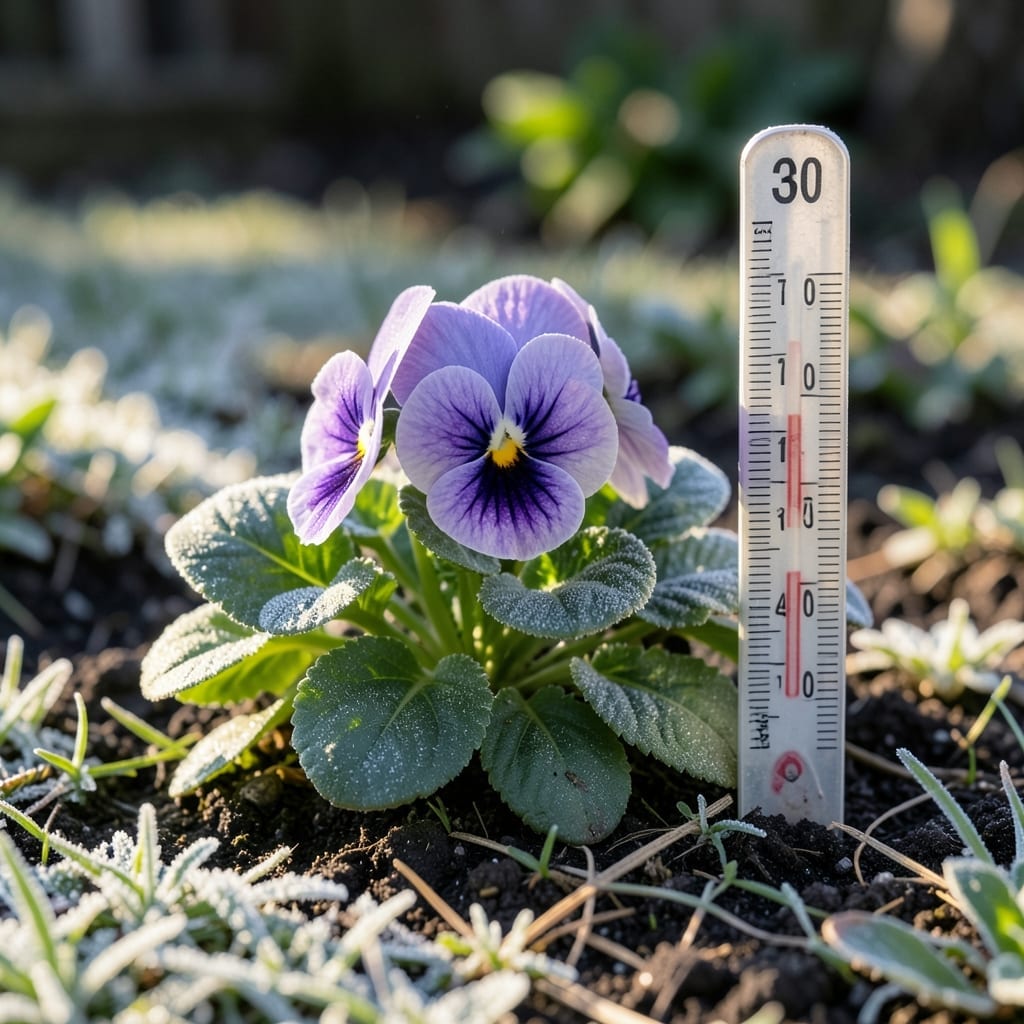
Pansies are the unsung heroes of cold-weather gardening. While most flowers wilt at the first frost, 🌼 Pansy plants keep blooming with vibrant colors.
I’ve watched these hardy little flowers thrive in chilly temperatures that would stop other plants in their tracks. Their ability to handle the cold makes them perfect for early spring or fall planting.
Discover how low temperatures pansies can tolerate and the simple tricks to protect them. You’ll be amazed at their resilience.
If you’re wondering how cold pansies can handle, you’ll be impressed. These hardy flowers can survive temperatures as low as 5°F (-15°C) without protection. I’ve seen them bounce back after light frosts.
In my experience, pansies actually thrive in cool weather. They prefer 40-60°F (4-15°C) for optimal growth, but their cold tolerance is what makes them special for early spring planting.
| Condition | Specification |
|---|---|
| Minimum Temp | 5°F (-15°C) |
| Ideal Range | 40-60°F (4-15°C) |
| Frost Tolerance | Light frost |
| USDA Zones | 4-8 |
What surprises many gardeners is that pansies often bloom better after a light frost. The cold seems to intensify their colors and prolong their blooming period.
For extreme cold below 5°F, you’ll want to provide some protection. I recommend adding a 2-3 inch mulch layer around the base to insulate the roots from freezing temperatures.
In container gardens, pansies are more vulnerable to cold. The roots lack ground insulation, so I always move potted pansies to a sheltered location when night temps drop below 20°F (-7°C).
Regional differences matter too. In milder zones like 7-8, pansies may bloom all winter. But in zone 4-5, they’ll typically die back and regrow from seed in spring.
I’ve found that healthy, established plants handle cold better than newly planted ones. Always water thoroughly before a freeze – moist soil retains heat better than dry soil.
For best results, plant pansies 4-6 weeks before your last frost date. This gives them time to establish roots before winter sets in or spring temperatures rise.
Remember that variety matters too. Some pansy cultivars like ‘Ice Pansies’ or ‘Winter Pansies’ are specifically bred for better cold tolerance than standard varieties.
With proper care, you can enjoy vibrant pansy blooms when most other flowers are still waiting for warmer weather 🌼
When temperatures dip below 20°F (-7°C), even hardy pansies need help. I’ve saved countless blooms by using simple protection methods that anyone can do at home.
Start with mulching—a 2-3 inch layer of straw or leaves shields roots from freezing. This is my go-to for in-ground plantings when cold snaps hit.
For container pansies, move pots to a covered porch or against a warm wall. I’ve found this prevents root damage during harsh freezes.
Frost cloth is another lifesaver. Drape it over plants in the evening and remove it by mid-morning. This traps heat from the soil while allowing light through.
Avoid plastic covers—they can trap moisture and cause rot. I learned this the hard way after losing a whole flat of pansies to fungal issues.
If you’re in USDA zones 4-5, consider planting in raised beds. The elevated soil warms faster in spring and drains better, giving pansies a head start.
With these tricks, you’ll enjoy vibrant pansy blooms long after other flowers have called it quits 🌼