
Beautiful Plants For Your Interior
Beautiful Plants For Your Interior
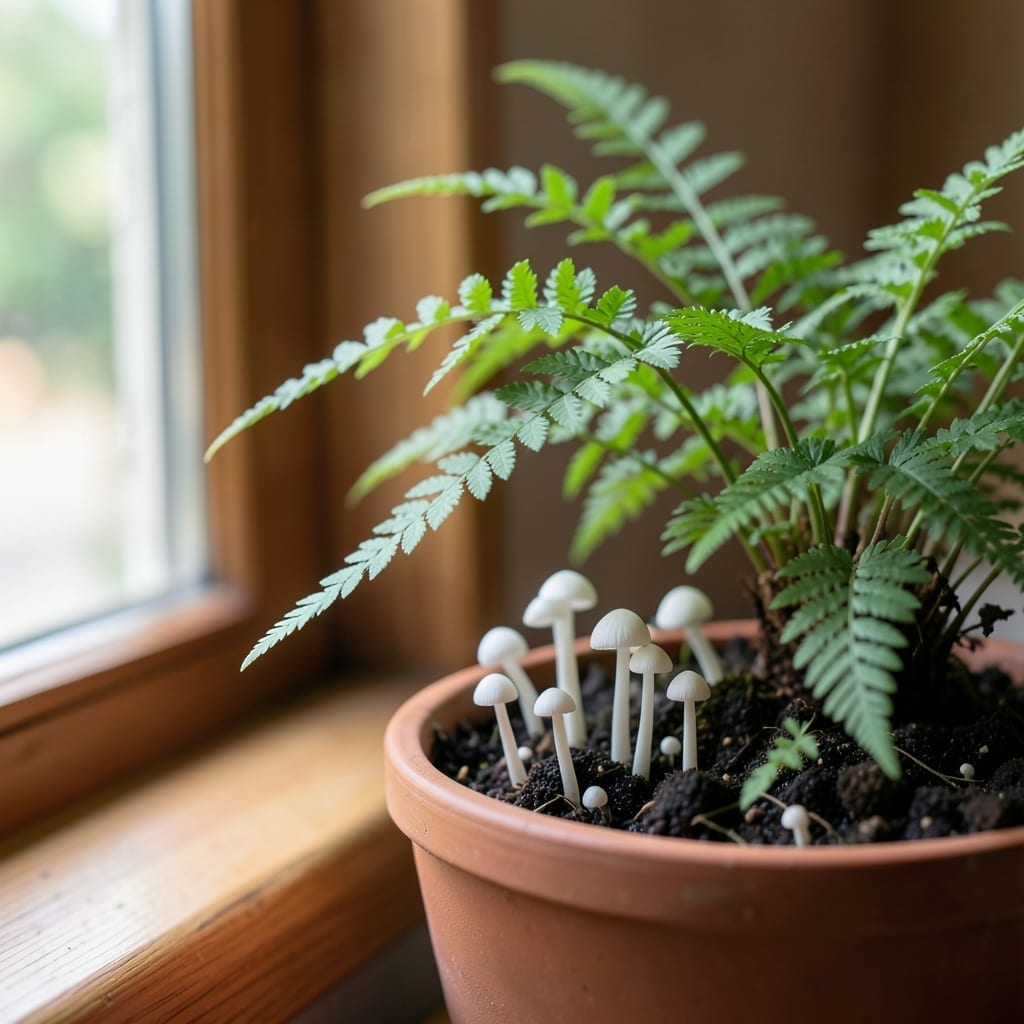
Those tiny white mushrooms in your potted plants aren’t a death sentence. I’ve seen them pop up overnight like uninvited guests, but they’re usually more annoying than dangerous.
They thrive in damp, organic-rich soil, which means your plant is probably getting too much water or not enough airflow. The good news? They’re easy to evict with a few simple adjustments to your care routine.
Remove them by hand, adjust your watering, and improve drainage. Within a week, you’ll see the difference. No chemicals required.
Prevention is even easier—just tweak your habits to keep the soil balanced. Your plants will thank you.
Little white mushrooms in your potted plants are a sign of fungal growth, and they typically appear due to specific environmental conditions. Here’s why it happens:
Fungi thrive in damp environments. Overwatering your plants or poor drainage in the pot creates the perfect breeding ground for spores to germinate. If the soil stays soggy, mushrooms can pop up almost overnight. Actionable fix: Adjust your watering schedule and ensure pots have drainage holes.
Potting soil rich in organic material (like compost or undecomposed bark) provides nutrients for fungi. As these materials break down, they release compounds that encourage fungal growth. Actionable fix: Use sterilized potting mix and remove decaying leaves or debris from the soil surface.
Fungi love warmth and humidity. If your plants are in a steamy bathroom, a greenhouse, or a poorly ventilated area, spores will flourish. Actionable fix: Improve airflow with a small fan or move plants to a drier, cooler spot.
Sometimes, the fungi hitch a ride via unsterilized soil, reused pots, or dirty gardening tools. Even a single spore can colonize a new pot. Actionable fix: Sterilize tools with rubbing alcohol and use fresh, high-quality potting mix for repotting.
Dealing with those little white mushrooms in your potted plants? Here’s how to tackle each cause with simple, effective fixes—and keep them from coming back.
If excess moisture is the culprit, let the soil dry out between waterings. Stick your finger an inch into the soil—if it feels damp, hold off on watering. Switch to pots with drainage holes and use a well-draining potting mix. Prevention tip: 💡 Water only when the topsoil is dry to the touch.
Remove fallen leaves, dead plant matter, and old mulch from the pot’s surface. These materials trap moisture and feed fungal growth. Replace with fresh, sterile potting soil if needed. Prevention tip: ✨ Regularly check for and clear away debris to starve mushrooms of nutrients.
Move your plant to a spot with better air circulation, like near an open window or a fan (on low). Avoid crowding plants together. Prevention tip: 🌡️ Group plants loosely and rotate them occasionally to ensure even airflow.
If mushrooms persist, repot the plant with fresh, sterile soil. Gently remove the plant, discard the old soil, and clean the pot with a mild bleach solution (1 part bleach to 9 parts water) before reuse. Prevention tip: 🎯 Always use high-quality, sterile potting mix for new plants.
With these steps, your potted plants will stay mushroom-free and thriving!
No, they’re generally harmless to your plants. They’re just a sign of excess moisture or organic matter in the soil.
Yes, but they may return if conditions stay damp. Remove them gently and address the root cause like overwatering or poor drainage.
Only if spores travel via water or tools. Isolate affected plants, avoid splashing water, and clean tools between uses.
Use sterile potting mix, ensure good drainage, and let soil dry between waterings. Improve airflow around plants.