
Beautiful Plants For Your Interior
Beautiful Plants For Your Interior
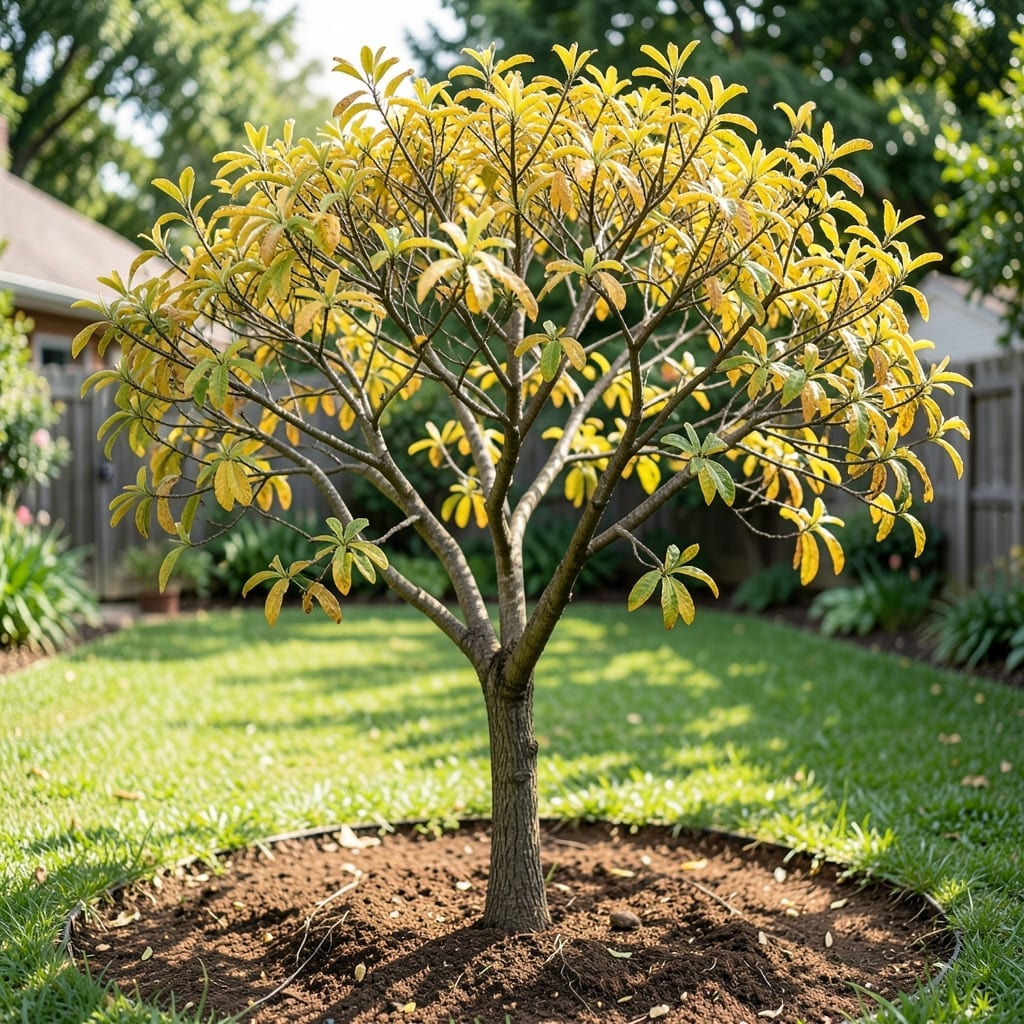
That first time I noticed the tiny, stunted leaves on my mango tree, I knew something was wrong. Little leaf is sneaky—it starts small but spreads fast, choking your tree’s growth and fruit production.
Turns out, zinc deficiency is usually the culprit, along with poor soil drainage or root damage. The leaves turn pale, stay undersized, and cluster at branch tips. Left unchecked, it weakens the whole tree over 2-3 seasons.
Here’s the thing—solutions exist. Soil testing, zinc foliar sprays, and proper drainage can reverse the damage. I’ve seen trees bounce back with healthier foliage within months of treatment.
Early action makes all the difference. The sooner you address it, the faster your mango tree regains its strength and productivity.
Little leaf disorder in mango trees often stems from several key factors. Below are the primary causes, each with a scientific basis and actionable insights.
Mango trees require a balanced diet of zinc, manganese, and iron. A deficiency in these micronutrients, particularly zinc, disrupts chlorophyll production, leading to stunted, pale, or small leaves. Soil testing can confirm deficiencies, and foliar sprays or soil amendments can restore balance.
Pathogens like Colletotrichum gloeosporioides (anthracnose) or Oidium mangiferae (powdery mildew) attack new growth, causing deformed or undersized leaves. These fungi thrive in humid, poorly ventilated conditions. Preventive measures include fungicide applications and improving air circulation.
Sap-sucking pests such as aphids, mites, or scale insects drain nutrients from young leaves, stunting their growth. Regular inspections and neem oil or insecticidal soap treatments can mitigate damage before it escalates.
Extreme temperatures, drought, or waterlogging disrupt normal leaf development. Mango trees prefer well-drained soil and consistent moisture. Mulching and proper irrigation schedules help stabilize growing conditions.
Dealing with a little leaf stuck in mango doesn’t have to mean tossing the fruit. Here’s how to remove it safely and enjoy your mango without the hassle.
If the leaf is sticking out, gently pull it in the direction it’s growing. Avoid yanking, as this can tear the fruit. Use your fingernails or a pair of clean tweezers for better grip.
Prevention tip: 💡 Wash mangoes thoroughly before cutting to loosen any attached leaves or debris.
For leaves buried in the fruit, slice the mango open carefully around the leaf. Use a small knife or spoon to lift it out without digging too deep. If the leaf is near the seed, cut around it and discard that section.
Prevention tip: 🎯 Inspect mangoes at the store—choose fruits with smooth, unblemished skin to minimize hidden leaves.
If the leaf resists removal, rinse the area under cool water to soften any sap or stickiness. Then, use a butter knife to scrape it off gently. Avoid sharp tools to prevent puncturing the fruit.
Prevention tip: ✨ Store mangoes in a cool, dry place to reduce sap stickiness, making leaves easier to remove later.
If a tiny piece remains, cut out the affected area with a clean knife. It’s better to lose a small portion than risk biting into an unpleasant texture.
Prevention tip: 🌡️ Buy mangoes during peak season (May–September) when they’re less likely to have clinging leaves or debris.
Leaves often stick during growth when they brush against the fruit. This is natural and doesn’t mean the mango is bad. It’s more common in tree-ripened varieties.
Yes, but remove as much as possible. Tiny fragments won’t harm you, but they can be tough or bitter. Cut out the affected area to be sure.
Check the stem end and sides for any green bits. Choose fruits with smooth, unbroken skin. Washing before cutting helps loosen attached leaves.
It’s most common with larger varieties like Keitt or Kent. Smaller types like Ataulfo usually have less leaf contact during growth.