
Beautiful Plants For Your Interior
Beautiful Plants For Your Interior
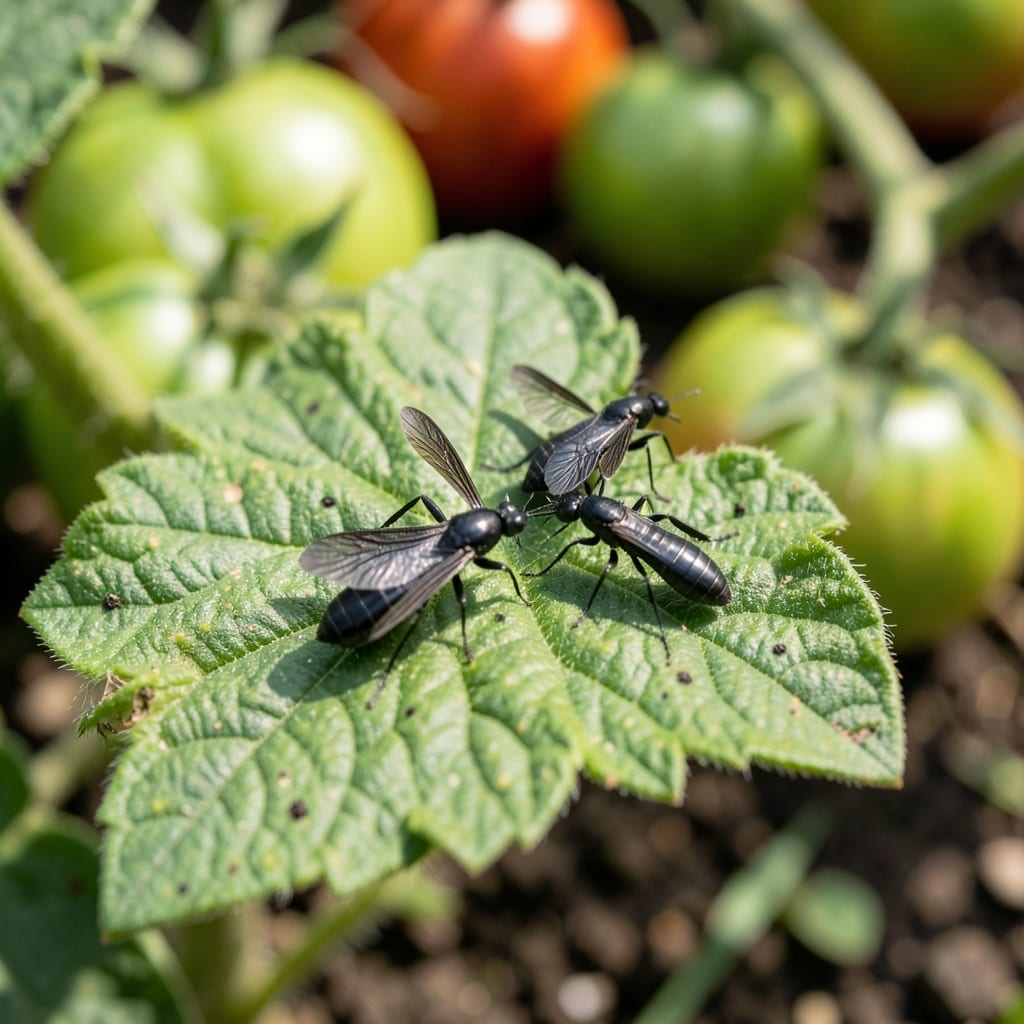
Those tiny black winged invaders took me by surprise last summer. One day my kale was fine, the next it looked like Swiss cheese. Turns out, these pests multiply fast and target brassicas first—broccoli, cabbage, and mustard greens are their favorites.
Here’s the thing—I tried every spray under the sun before realizing prevention works better than cure. Row covers in early spring stop them laying eggs, and hand-picking the adults (gross but effective) breaks their life cycle.
For existing infestations, a soapy water spray knocks them down fast. The key is hitting the undersides of leaves where they hide. Neem oil works too, but requires weekly applications to stay ahead.
Works for organic gardens, raised beds, or container setups. The battle’s winnable with consistency.
The appearance of tiny, dark, winged insects in your garden or home often ties back to a few key environmental and behavioral triggers. Understanding these causes helps you address the root of the problem rather than just the symptoms.
Many small black winged bugs, such as fungus gnats or drain flies, thrive in damp, decomposing organic matter. Overwatered potted plants, clogged drains, or compost piles create ideal breeding grounds. These insects lay eggs in moist soil or decaying material, where larvae feed on fungi and organic debris. Reducing excess moisture and improving drainage can disrupt their life cycle.
Leaving food scraps, spills, or organic waste exposed invites these pests. They’re drawn to fermenting or rotting materials, which provide both food and shelter. Regularly cleaning up fallen leaves, fruit, or uneaten pet food removes their primary attractants. Seal trash bins tightly and avoid letting organic matter accumulate indoors or outdoors.
Even tiny gaps in window screens, door seals, or foundation cracks can serve as entryways. These bugs are small and agile, often slipping through unnoticed. Inspecting and sealing potential entry points with fine mesh or caulk can significantly reduce their presence. Pay special attention to areas near moisture sources, like kitchens, bathrooms, or basements.
Dealing with these tiny pests doesn’t have to be a battle. Here’s how to tackle each cause with simple, effective fixes and prevention tips to keep them from returning.
If soggy soil is the culprit, stop watering immediately and let the top 1-2 inches dry out. Improve drainage by mixing in perlite or sand. For potted plants, ensure containers have drainage holes. Prevention tip: 💡 Water only when the soil feels dry to the touch—early morning is ideal to reduce moisture buildup.
Clear away fallen leaves, dead plant material, and other organic debris where these bugs thrive. Use a rake or gloved hands for quick cleanup. Compost the waste far from your garden to avoid attracting more pests. Prevention tip: 🌡️ Mulch lightly and turn it regularly to discourage damp, cozy hiding spots.
Set up yellow sticky traps near affected plants to catch adult bugs. For larvae, water with a hydrogen peroxide solution (1 part 3% peroxide to 4 parts water) to kill them on contact. Prevention tip: ✨ Introduce beneficial nematodes or Bacillus thuringiensis var. israelensis (Bti) to soil for long-term control.
Space out plants to allow airflow, and prune dense foliage to reduce humidity. If indoors, use a small fan to keep air moving. Prevention tip: 🎯 Open windows or vents in greenhouses to maintain a dry environment.
With these targeted fixes, you’ll reclaim your garden—and keep it bug-free the eco-friendly way!
Yes, they can damage plants by feeding on leaves and stems. Some species also lay eggs in soil, where larvae attack roots.
Remove decaying matter, improve drainage, and use yellow sticky traps. Neem oil sprays work well for organic control.
Most black winged garden pests don’t bite, but some may if disturbed. They’re primarily a nuisance to plants, not people.