
Beautiful Plants For Your Interior
Beautiful Plants For Your Interior
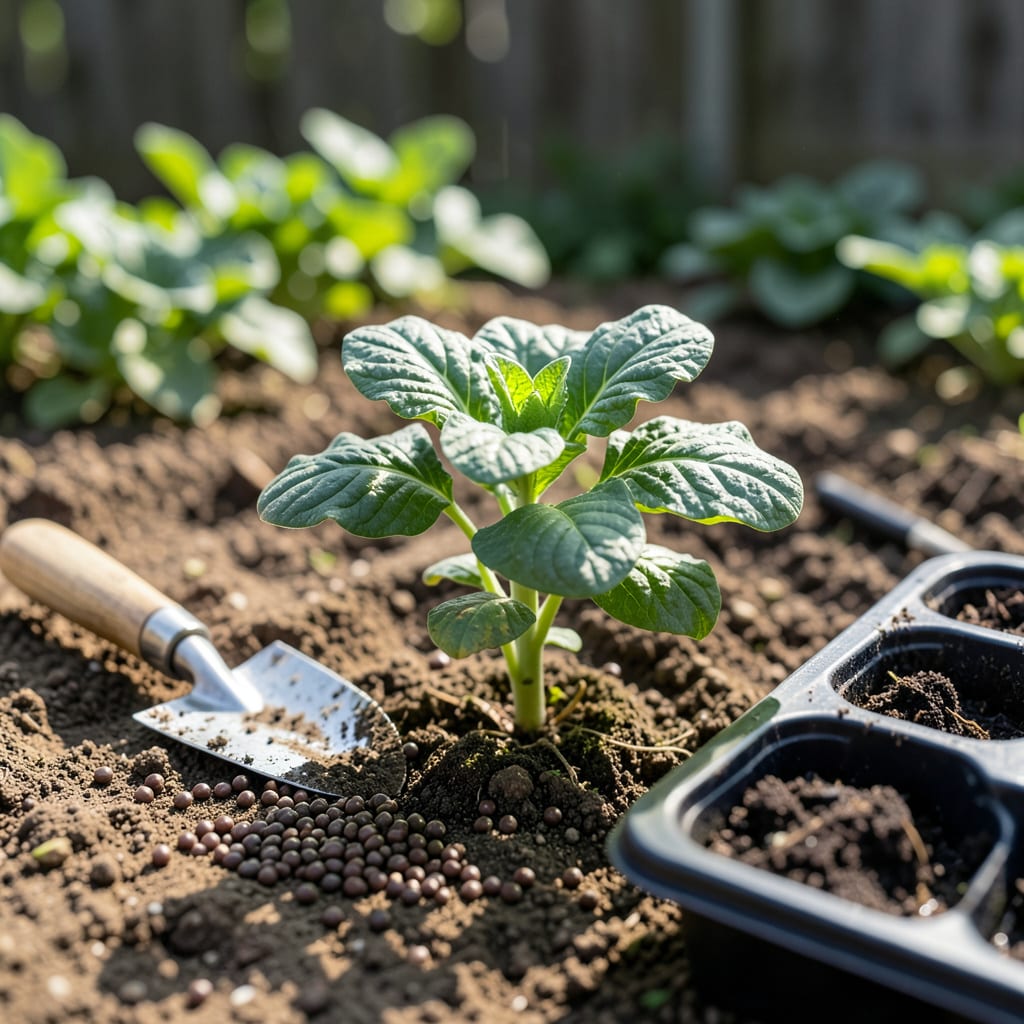
Timing can make or break your 🥬 mustard greens harvest in Zone 8. Plant them too late, and they’ll bolt before you get a single crisp leaf. Go too early, and unexpected frost might ruin your crop before it even starts.
But here’s the good news: with the right schedule, you can grow these fast-growing greens in just 30 days. I’ll show you exactly when to plant for tender spring leaves and sweet fall harvests—no guesswork required.
If you’re growing mustard greens in Zone 8, timing is your secret weapon. This region’s mild winters and hot summers create two perfect windows: a fall crop (your best bet) and a spring crop before heat sets in. Get it right, and you’ll harvest tender leaves in just 30–45 days.
Zone 8’s last frost date (around March 15) and first frost (near November 15) are your guideposts. Mustard greens thrive in cool soil (40–75°F) and bolt fast in summer heat. I’ll break down the exact months—and how to stretch your harvest with succession planting.
| Season | Planting Window | Harvest Time | Key Tip |
|---|---|---|---|
| Fall (Best) | August 15–October 1 | October–December | Plant 6–8 weeks before first frost |
| Spring | February 1–March 15 | April–May | Avoid late plantings—bolts in heat |
| Winter | January–February (protected) | March–April | Use row covers for cold snaps |
💡 Pro Tip: For continuous harvests, sow new seeds every 2 weeks in fall until 4 weeks before frost.
For fall planting, aim to sow seeds 6–8 weeks before your first frost (around November 15 in Zone 8). This gives plants time to mature in cooling temps. I start my fall crop in late August—earlier if summers are brutal—and stagger plantings into September for a longer harvest.
Spring plantings are trickier. Sow 4–6 weeks before your last frost (mid-March in Zone 8), but watch the forecast. If nights stay above 50°F, seeds germinate in 5–7 days. Use shade cloth if temps climb above 75°F to prevent bolting.
Mustard greens handle light frosts (down to 25°F), making them ideal for Zone 8 winters. For a winter crop, sow in January–February under row covers or in a cold frame. They’ll grow slowly but sweeten with frost. I’ve harvested crisp leaves in December from October plantings!
Succession planting is your friend. In fall, sow a new batch every 10–14 days until mid-October. In spring, stick to one planting—heat arrives fast. Thin seedlings to 3–4 inches apart for robust growth. Overcrowding leads to weak stems and pest issues.
Mustard greens prefer well-draining soil with a pH of 6.0–6.8. Work in 1–2 inches of compost before planting. They’re light feeders, but a balanced fertilizer (like 10-10-10) at planting boosts leaf production. Water 1 inch per week, keeping soil evenly moist—drought stress turns leaves bitter.
Watch for flea beetles (common in Zone 8). Cover young plants with floating row covers until they’re 4–6 inches tall. For aphids, blast them off with water early in the day. Mustard greens grow so fast, pests rarely become a major issue if you stay vigilant.
Harvest leaves when they’re 4–6 inches long—younger leaves are tender. Use scissors to cut outer leaves, leaving the center to regrow. A single plant can yield 3–4 harvests before bolting. In Zone 8, you can often get two full crops (fall + spring) from one planting if managed well.
If your mustard greens bolt prematurely (sending up flower stalks), it’s usually due to heat stress or inconsistent watering. In spring, plant in partial shade (especially afternoon) to extend the harvest. Fall crops rarely bolt if planted on time—cool temps keep them sweet and leafy.
Growing mustard greens in Zone 8 should be simple, but even experienced gardeners make mistakes that sabotage their crop. I’ve seen bitter leaves, stunted plants, and premature bolting—all avoidable with a few tweaks. Let’s fix the top 4 errors before they wreck your harvest.
The biggest issue? Ignoring soil prep. Mustard greens need loose, well-draining soil with a pH of 6.0–6.8. If your soil is compacted or too acidic, seeds struggle to germinate, and plants grow weak. A quick compost mix (1–2 inches worked in) solves this instantly. Test your soil—it’s a game-changer.
💡 Quick Tip: Mustard greens germinate in 5–7 days at 50–75°F. Use a soil thermometer to nail timing.
Another common blunder: planting at the wrong time. Zone 8’s spring heat arrives fast, and mustard greens bolt when temps hit 80°F. If you sow after March 15, you’re racing the clock. Stick to February–early March for spring crops, or focus on fall plantings (your safest bet).
Watering mistakes are just as deadly. Mustard greens need consistent moisture, but many gardeners either drown them or let soil dry out. Both extremes trigger bitterness or bolting. I water my beds every 3–4 days in spring/fall, early morning only. Mulch with straw to retain moisture and block weeds.
Don’t overlook pest pressure in Zone 8. Flea beetles chew tiny holes in leaves, while aphids cluster on undersides. The fix? Cover seedlings with floating row covers until they’re 4 inches tall. For aphids, spray plants with water early in the day—no chemicals needed. Healthy, fast-growing mustard greens often outpace pests if given proper care.
Finally, harvesting wrong ruins future yields. Never strip all leaves at once—this stresses the plant. Instead, use clean scissors to snip outer leaves, leaving the center intact for regrowth. A single plant can produce 3–4 harvests if you take ≤30% of leaves at a time. Wait until leaves reach 4–6 inches for the best flavor.
If your mustard greens bolt early, it’s usually from heat stress or uneven watering. In spring, plant in partial shade (especially afternoon) to buy time. Fall crops rarely bolt if sown by October 1. When flowers appear, pull the plant—leaves turn tough and bitter post-bolting. Focus on succession planting every 2 weeks in fall for a steady supply.
Zone 8 gardeners have plenty of options for quick-growing greens, but not all thrive equally in our climate. Mustard greens stand out for their heat tolerance and fast regrowth, but how do they compare to arugula, spinach, or kale? Let’s break it down.
Mustard greens outperform many greens in Zone 8’s humid subtropics. They germinate in 5–7 days at 50–75°F, handle light frosts, and resist bolting better than lettuce. But if you want variety, timing is key—some greens falter in our spring heat or mild winters.
| Green | Best Planting Window | Days to Harvest | Heat Tolerance | Zone 8 Advantage |
|---|---|---|---|---|
| Mustard Greens | Aug–Oct, Feb–Mar | 30–45 days | ⭐⭐⭐⭐ (to 80°F) | Best cut-and-come-again |
| Arugula | Sep–Nov, Feb–Mar | 25–40 days | ⭐⭐ (bolts at 75°F) | Fastest but least heat-tolerant |
| Spinach | Oct–Dec, Jan–Feb | 40–50 days | ⭐ (bolts at 70°F) | Sweetest winter green |
| Kale | Sep–Nov, Feb–Mar | 50–65 days | ⭐⭐⭐⭐ (to 85°F) | Most cold-hardy |
💡 Pro Tip: For spring plantings, mustard greens and kale win—arugula and spinach bolt too fast in Zone 8 heat.
For fall planting, mustard greens and kale are your best bets. Both handle Zone 8’s warm falls and sweeten with frost. I plant mustard greens in late August for October harvests, then follow with kale in September for winter picks. Spinach struggles in fall—save it for winter sowing.
In spring, mustard greens and kale again lead the pack. Arugula and spinach bolt by May in Zone 8, but mustard greens hang on until June with partial shade. For earliest harvests, sow arugula in February—it’s ready in 4 weeks but fades fast.
Mustard greens shine as a cut-and-come-again crop. While kale offers one harvest per stem, mustard regrows 3–4 times if you snip leaves properly. Spinach and arugula are one-and-done—pull the whole plant at harvest. For container gardening, mustard greens and arugula adapt best to pots.
If pests are a problem, mustard greens and kale resist flea beetles better than arugula. All four greens need well-draining soil, but spinach demands the most consistent moisture. Mustard greens tolerate drought stress better than spinach, making them ideal for Zone 8’s unpredictable rains.
🌱Almost! Mustard greens thrive in fall and spring, but summer heat causes bolting. In Zone 8, you can grow them August–October and February–March. For winter, use row covers to protect January plantings from occasional cold snaps.
Sow seeds 6–8 weeks before your first frost (around November 15 in Zone 8). This means planting by early October for a December harvest. Later plantings may survive but grow slowly—use cloches for extra warmth if needed.
Spring heat triggers bolting once temps hit 80°F. In Zone 8, plant by March 15 and use 30% shade cloth to block afternoon sun. Succession planting isn’t ideal in spring—focus on one early crop instead.
They prefer 6+ hours of sun but tolerate partial shade, especially in hot weather. In spring, morning sun with afternoon shade extends harvests. Fall crops can handle full sun since temperatures are cooler.
Cover seedlings with floating row covers until plants reach 4–6 inches tall. For aphids, spray leaves with water early in the day. Healthy, fast-growing mustard greens often outpace pests—avoid over-fertilizing, which attracts more insects.
