
Beautiful Plants For Your Interior
Beautiful Plants For Your Interior
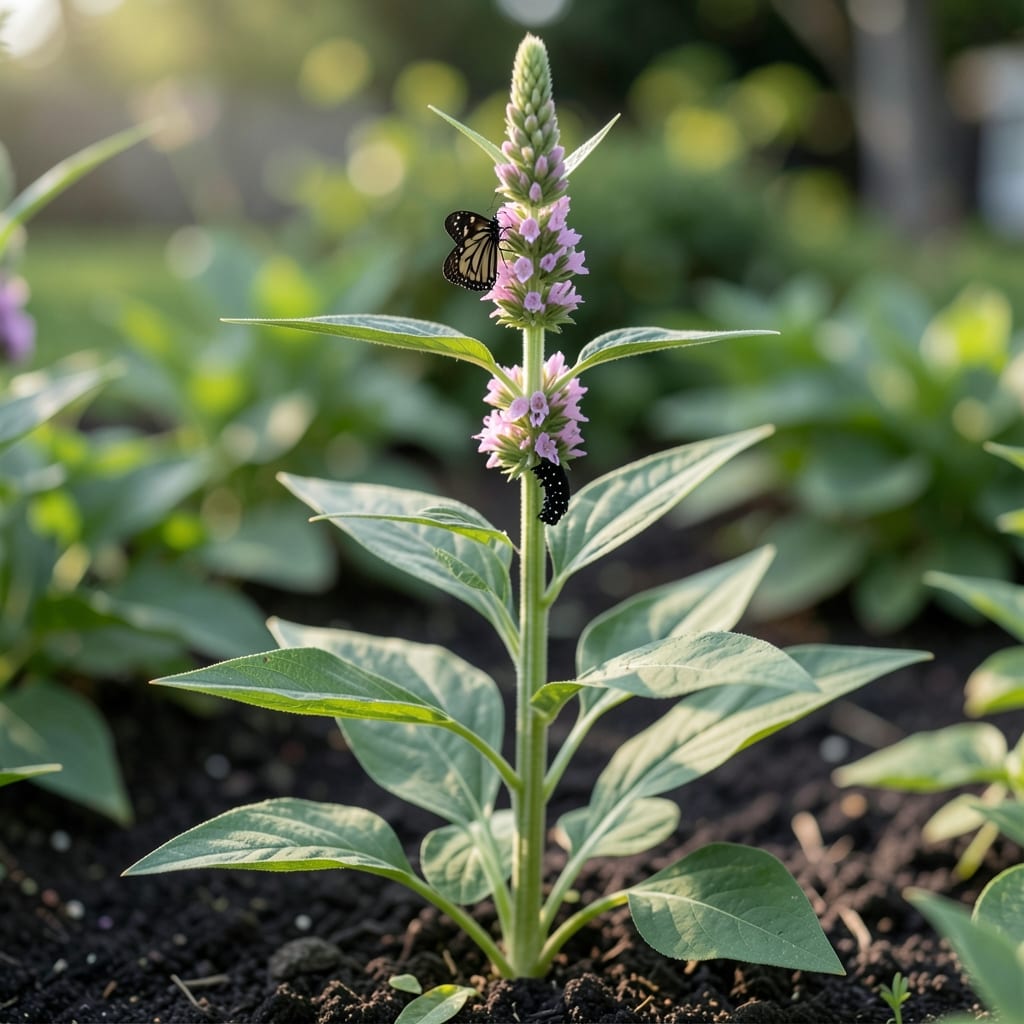
That tiny black flutter in your garden isn’t just passing through. I’ve watched these delicate visitors transform my space—sometimes for better, sometimes for worse.
Identify the species first, then decide: attract with native plants or deter with natural barriers. Either way, their presence tells you something important about your ecosystem.
📚 In This Guide
Here’s how to create a butterfly-friendly space that attracts these delicate creatures to your garden.
Start by identifying native plants that serve as host species for black butterflies. These plants provide essential food for caterpillars, ensuring they can complete their life cycle in your garden. I always check local nurseries or native plant societies for region-specific recommendations.
Focus on plants with dark foliage or flowers, as these often attract black butterflies. Look for varieties like milkweed, asters, or native grasses, which are known to support these insects. Verify plant hardiness zones to ensure they’ll thrive in your climate.
Butterflies need protection from wind and predators. Position your garden near a fence, wall, or dense shrubbery to provide natural shelter. I’ve found that placing a few large, flat stones in the area gives butterflies a place to bask in the sun, which they need to regulate body temperature.
Avoid open, exposed areas where wind can easily disrupt their flight. A slightly shaded spot with dappled sunlight is ideal. Ensure the area receives at least 4-6 hours of sunlight daily, as this is critical for their activity and feeding.
Group host plants in clusters of at least 3-5 plants per species. This mimics natural habitats and makes it easier for butterflies to locate food sources. I always plant in odd-numbered groups for a more natural, visually appealing layout.
Space plants 12-18 inches apart to allow for airflow and growth while maintaining density. Mulch around the base with organic material to retain moisture and suppress weeds, which can compete with your host plants.
Butterflies need water for hydration, but they can’t drink from deep or open sources. Create a shallow water feature using a birdbath with pebbles or a small dish filled with 1-2 inches of water. Place a few flat stones in the dish to give them a safe landing spot.
Refresh the water every 2-3 days to prevent stagnation and mosquito breeding. I like to place the water source near the host plants so butterflies can easily access both food and hydration in one area.
Chemical pesticides and herbicides can harm butterflies at all stages of their life cycle. Opt for organic gardening practices, such as hand-removing pests or using natural predators like ladybugs. I’ve had success with neem oil as a safe, natural pest deterrent.
If you must use a pesticide, choose one labeled as butterfly-safe and apply it in the early morning or late evening when butterflies are less active. Always follow the instructions carefully to minimize risk to these delicate insects.
Some thoughtful adjustments will make your garden irresistible to these delicate visitors.
Sunlight Strategy: The 4-6 hours of daily sunlight mentioned in Step 2 is non-negotiable for black butterflies. Position your plants where they’ll receive morning sun and afternoon shade to prevent overheating while still meeting their energy needs. I’ve noticed they’re most active during these sunlit periods.
Plant Arrangement Insight: When following Step 3’s spacing of 12-18 inches apart, consider staggering your clusters in a zigzag pattern. This creates more natural-looking groupings than straight rows and helps butterflies navigate between plants more easily.
Water Maintenance Tip: For the water source in Step 4, the every 2-3 days refresh schedule is crucial. Stagnant water not only deters butterflies but can become a breeding ground for mosquitoes. I set a phone reminder to check the water levels and cleanliness regularly.
Timing for Safety: The guidance in Step 5 about applying pesticides in the early morning or late evening works because butterflies are less active during these times. Even with butterfly-safe products, I’ve found that treating plants just after sunset gives the chemicals time to settle before the butterflies become active the next day.
Little black butterflies, like the Eastern Black Swallowtail, are often attracted to gardens with host plants like parsley or dill. They lay eggs there, and the caterpillars feed on these plants.
The best time to see them is during warm, sunny days in spring and summer, especially between 10 AM and 3 PM when they’re most active.
Generally, no. While their caterpillars may eat leaves of host plants, the damage is usually minimal and doesn’t harm the overall health of the plant.
Plant nectar-rich flowers like milkweed or coneflowers, and include host plants like carrots or fennel. Avoid pesticides to create a butterfly-friendly environment.
Their wing patterns serve as camouflage or warning signals to predators. Some mimic the appearance of toxic species to deter threats.