
Beautiful Plants For Your Interior
Beautiful Plants For Your Interior
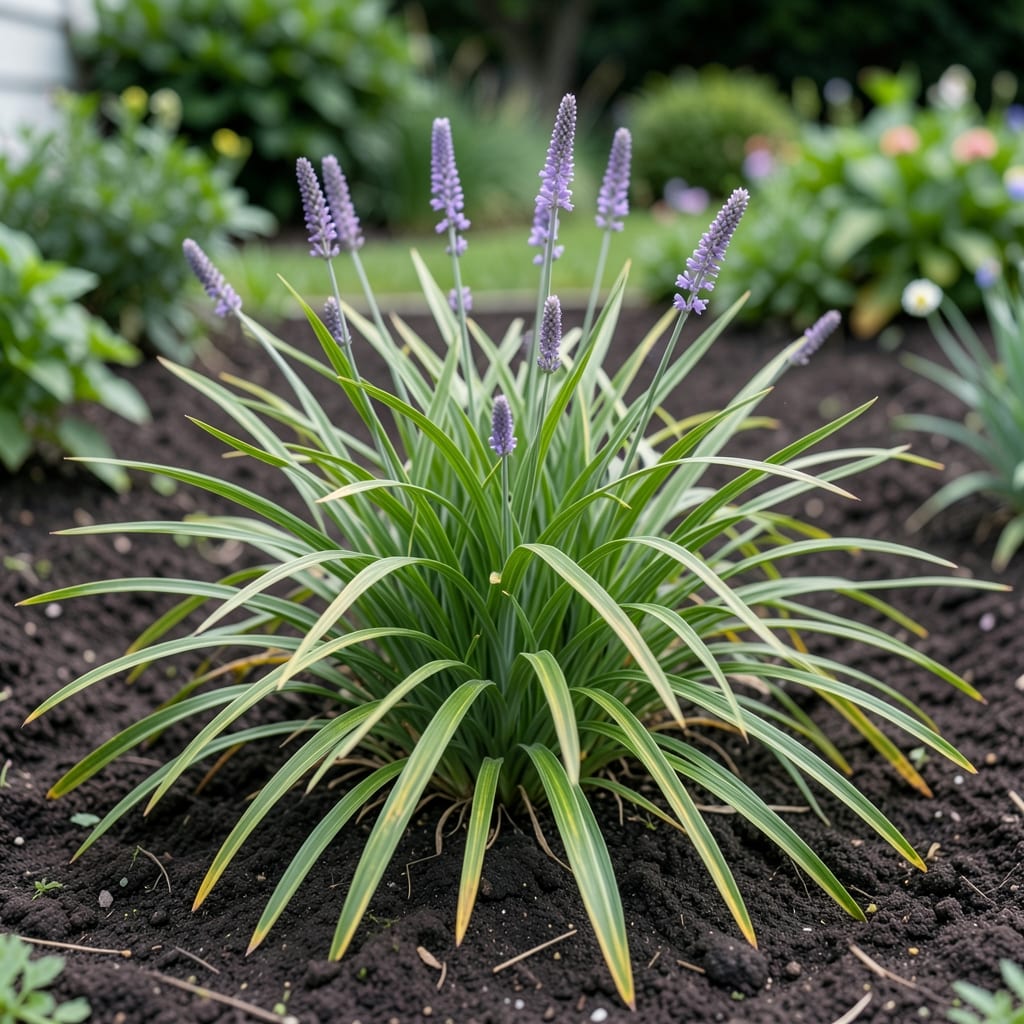
Those yellow leaves on your liriope aren’t just unsightly—they’re a cry for help. I’ve seen this happen to my own plants, and it’s always fixable once you know what’s causing it.
Overwatering, poor drainage, or a sudden cold snap can turn healthy green foliage yellow overnight. Sometimes it’s a nutrient deficiency, but more often it’s just too much love in the form of water or fertilizer.
With a few simple adjustments—checking soil moisture, improving drainage, or adding a light fertilizer—you’ll see new green growth within weeks. The key is acting fast before the problem spreads.
Prevention is easier than cure, and I’ll show you exactly how to keep your liriope looking lush and vibrant all season long.
Liriope turning yellow is often a sign of underlying stress, and identifying the root cause is the first step toward revival. Below are the most frequent culprits behind liriope yellow leaves, explained with actionable insights.
Excess moisture suffocates the roots, preventing oxygen uptake and leading to root rot. Liriope thrives in well-draining soil, and waterlogged conditions trigger chlorophyll breakdown, causing yellowing. Check soil moisture before watering—only proceed if the top 1-2 inches are dry.
Liriope prefers partial to full shade. Too much direct sunlight scorch the leaves, while deep shade starves the plant of energy for photosynthesis. Relocate plants to a spot with dappled light or morning sun to restore vibrant green foliage.
Nitrogen or iron shortages often manifest as yellow leaves, especially in older growth. Poor soil quality or competition with other plants can deplete these essential nutrients. Apply a balanced, slow-release fertilizer in early spring, and consider a soil test to pinpoint deficiencies.
Spider mites, scale insects, or fungal infections (like leaf spot) can stress liriope, leading to discoloration. Inspect leaves for webbing, spots, or sticky residues. Treat with neem oil or fungicides as needed, and remove heavily infested foliage to prevent spread.
Extreme heat, cold snaps, or sudden temperature swings can shock liriope, causing yellowing. Mulch around the base to regulate soil temperature, and provide temporary shade during heatwaves to protect the plant.
If your liriope is showing yellow leaves, don’t panic—there’s usually a simple fix. Below are targeted solutions for the most common causes, along with prevention tips to keep your plants thriving.
If soggy soil is the culprit, stop watering immediately and let the top 1-2 inches of soil dry out. Improve drainage by amending the soil with compost or sand. For potted liriope, ensure the container has drainage holes. Prevention: Water only when the soil feels dry at a depth of 1 inch. Use a moisture meter if unsure.
Liriope prefers partial shade. If leaves are scorched from excessive sun, move potted plants to a shadier spot or add a sheer cloth for protection. For in-ground plants, consider planting taller perennials nearby to cast light shade. Prevention: Site liriope in areas with morning sun and afternoon shade, especially in hot climates.
Yellowing often signals a lack of nitrogen or iron. Apply a balanced, slow-release fertilizer (10-10-10) in early spring. For iron deficiency (yellow leaves with green veins), use a chelated iron supplement. Prevention: Feed liriope annually with compost or organic fertilizer to maintain soil health.
Inspect leaves for pests like spider mites or signs of fungal disease (e.g., spots or mold). Treat pests with neem oil or insecticidal soap. For fungal issues, remove affected leaves and apply a fungicide. Prevention: Avoid overhead watering and space plants for airflow to reduce humidity.
If cold weather caused the yellowing, trim back damaged foliage in early spring to encourage new growth. Mulch around the base to insulate roots in winter. Prevention: Plant liriope in sheltered spots or use frost cloth in colder zones.
Pro tip: 💡 Regularly check your liriope’s leaves for early signs of stress—catching issues early makes fixes easier!
Water when the top 1-2 inches of soil feel dry. Established plants need watering only 1-2 times per week in hot weather. Overwatering is a common mistake that leads to yellowing.
No, yellow leaves won’t regain their green color. Focus on fixing the underlying issue to encourage new, healthy growth. Remove the yellow leaves to redirect the plant’s energy.
Use a balanced, slow-release fertilizer like 10-10-10 in early spring. For iron deficiency, apply a chelated iron supplement to restore vibrant foliage.
Yes! Trim back damaged foliage in early spring. Mulch around the base to protect roots and encourage new growth once temperatures warm up.