
Beautiful Plants For Your Interior
Beautiful Plants For Your Interior
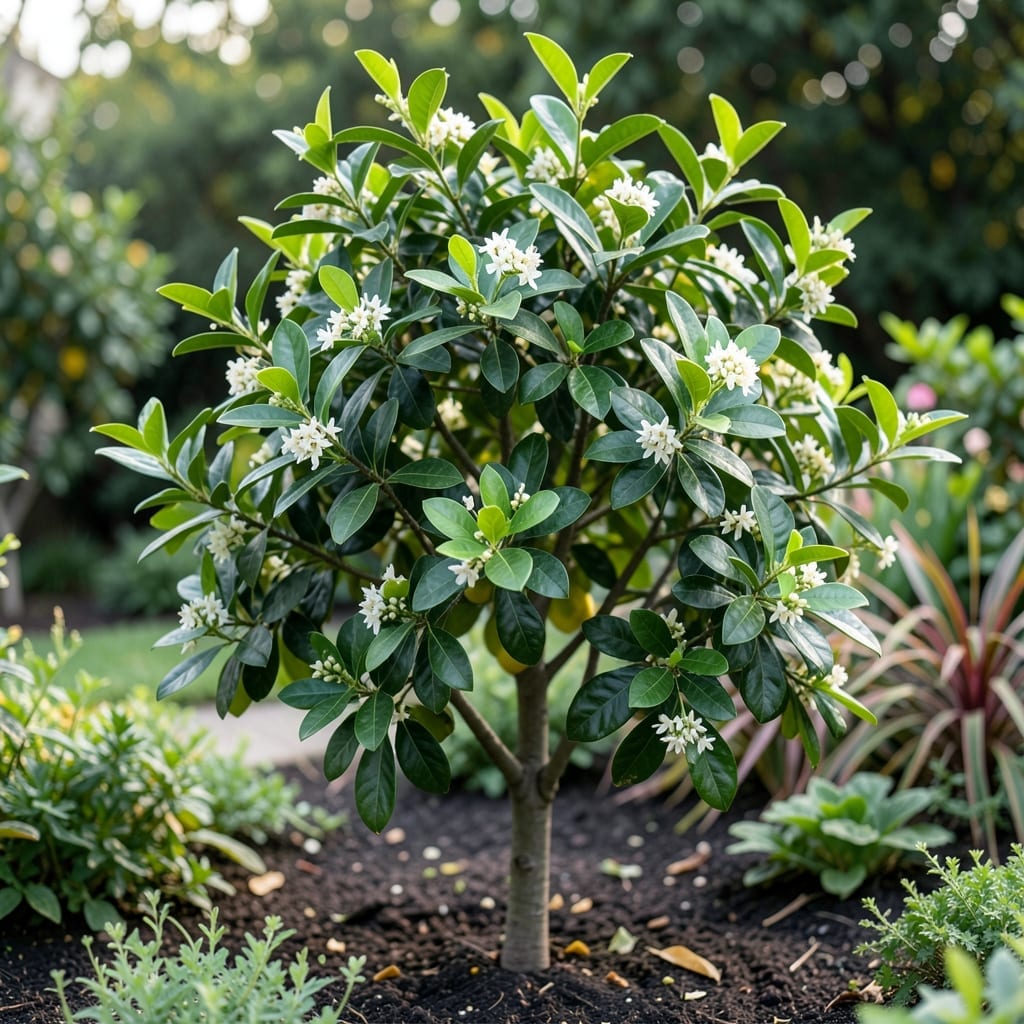
There’s nothing quite like the sweet fragrance of a lime tree in full bloom. That first whiff of citrus blossoms in the air signals that your 🌳 Lime Tree is entering its most productive phase.
I remember the first time I noticed my lime tree preparing to flower – it was a game-changer for my garden. Understanding this blooming cycle can help you anticipate and prepare for the harvest to come.
Whether you’re in zone 9-11 or just starting your citrus journey, knowing when to expect these beautiful blossoms is key. The timing might surprise you, as it’s not just about the calendar.
Let me share what I’ve learned about this magical process. From the first buds to full bloom, there’s so much to discover about your Lime Tree’s flowering potential.
Lime trees typically bloom in spring to early summer, but the exact timing varies by variety and climate. In warmer zones like 9-11, they may flower multiple times a year, while cooler areas see a single bloom cycle.
I’ve noticed my Key lime bursts into fragrance in March or April, while Bearss limes often wait until May. The blooming period usually lasts 2-3 weeks, filling the garden with a citrusy perfume.
| Variety | Bloom Time | Climate Zone |
|---|---|---|
| Key Lime | March–April | 9–11 |
| Tahitian Lime | April–May | 10–11 |
| Bearss Lime | May–June | 8–11 |
| Kaffir Lime | Year-round | 10–11 |
Climate plays a huge role in blooming. In tropical climates, lime trees may flower year-round, while in cooler areas, they follow a strict seasonal schedule. Temperature fluctuations can even trigger extra bloom cycles.
For example, a cold snap followed by warmth might coax a second round of flowers. I’ve seen this happen in Zone 9, where a late winter chill can spark an early bloom.
Dwarf varieties like the Mexican lime often bloom earlier than standard trees. Their compact size doesn’t affect flowering but may produce smaller clusters of blossoms.
If your lime tree isn’t blooming, check its sun exposure. They need 6+ hours of sun daily. Shade can delay or reduce flowering, so ensure it’s planted in a bright, open spot.
Another key factor is tree maturity. Most lime trees start blooming at 3-5 years old. If yours is younger, be patient—it’s focusing on growth before producing flowers.
Finally, water stress can impact blooming. Too little or too much water may cause the tree to skip flowering. Aim for consistent moisture without waterlogging the roots.
By understanding these patterns, you can better predict and prepare for your lime tree’s blooming season, ensuring a healthy, fragrant display each year. 🌳
Spotting the early signs of blooming on your lime tree can help you prepare for the fragrant spectacle ahead. I always watch for subtle changes that indicate my tree is gearing up for its flowering phase.
One of the first clues is the appearance of small white buds at the leaf axils. These tiny buds will gradually swell and develop into the beautiful blossoms we all love.
Another telltale sign is a slight darkening of the leaves. As the tree prepares to bloom, it often diverts energy to flower production, which can cause the foliage to appear a bit richer in color.
I’ve noticed that my lime tree tends to bloom most abundantly when daytime temperatures consistently reach the 70-85°F range. This warmth triggers the blooming process.
Don’t overlook the scent in your garden. Even before the flowers fully open, you might detect a sweet citrus aroma in the air, especially in the early morning.
Remember, these signs may vary slightly depending on your lime tree variety and local climate. But by keeping an eye out for these changes, you’ll be ready to enjoy the beautiful blooms when they arrive.
🌳