
Beautiful Plants For Your Interior
Beautiful Plants For Your Interior
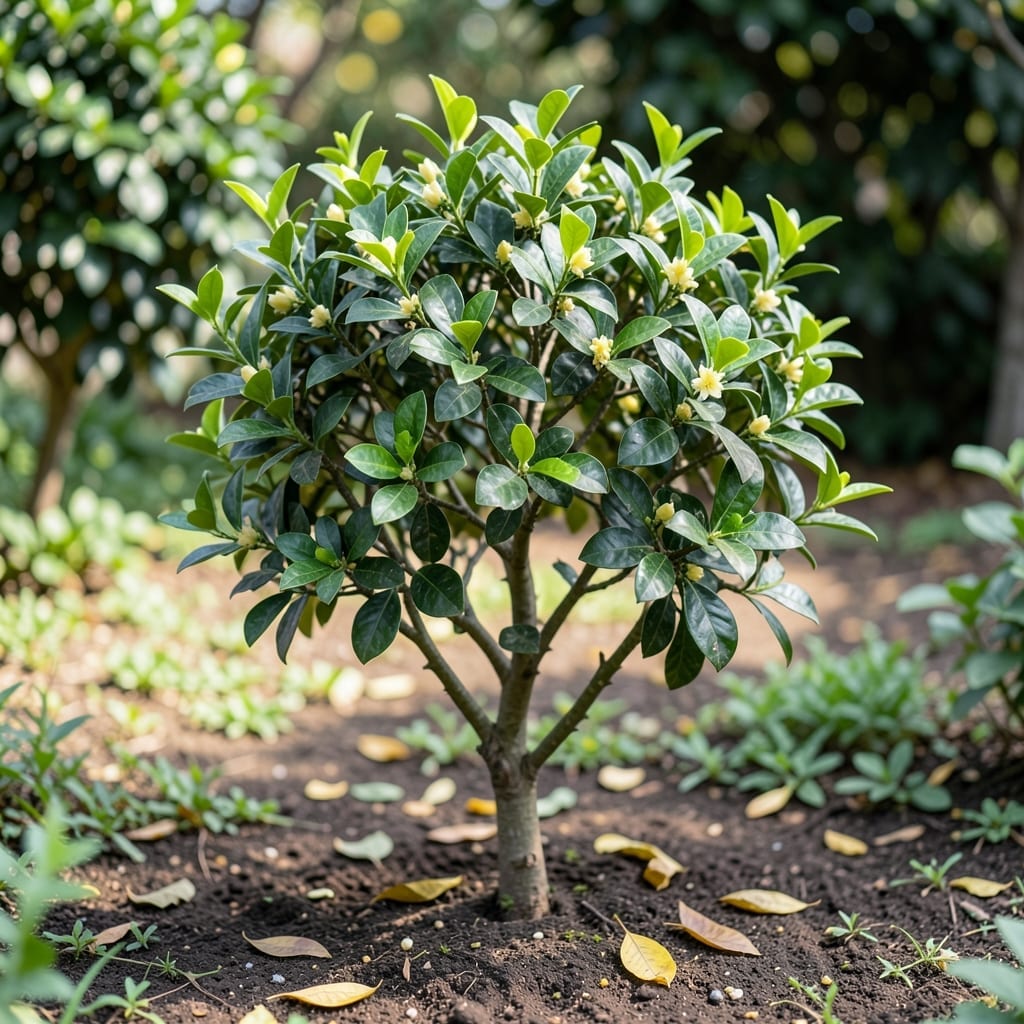
My lime tree’s leaves started curling last summer, and I panicked. Turns out, it’s usually the plant’s way of saying something’s off—too much water, not enough, or maybe pests throwing a party on the undersides.
Most often, it’s environmental stress: dry air, temperature swings, or soil that’s too soggy. I’ve fixed mine by checking the roots, adjusting water, and giving it a stable spot away from drafts. Simple changes, big results.
You’ll see leaves unfurl within a week or two once conditions improve. The key is diagnosing the cause first—don’t just throw solutions at it and hope.
Works for potted limes, garden trees, or even indoor citrus. Here’s how to play detective with your plant.
Lime leaves curling is often a sign of distress, and several factors can trigger this reaction. Understanding the root causes helps you address the issue effectively.
Extreme temperatures, either too hot or too cold, can cause lime leaves to curl as a protective response. High heat increases transpiration, leading to water loss, while cold snaps disrupt cellular functions. Ideal temperatures for lime trees range between 70–100°F (21–38°C).
Both overwatering and underwatering stress the plant. Overwatering suffocates roots, reducing oxygen uptake, while drought conditions force leaves to curl to conserve moisture. Check soil moisture 1–2 inches deep—it should feel slightly damp, not soggy or bone-dry.
Sap-sucking pests like aphids, spider mites, or scale insects drain nutrients from leaves, causing curling and discoloration. Inspect the undersides of leaves for tiny bugs or sticky residue (honeydew). Neem oil or insecticidal soap can help control infestations.
A lack of essential nutrients, particularly magnesium, potassium, or nitrogen, can lead to leaf curling. Yellowing between leaf veins (interveinal chlorosis) often signals magnesium deficiency. A balanced citrus fertilizer can restore nutrient levels.
Fungal or bacterial infections, such as citrus canker or root rot, may cause leaves to curl as the plant weakens. Remove infected leaves and improve air circulation to prevent spread. Copper fungicides can be effective for fungal issues.
Revive your lime tree by addressing the root cause of leaf curling. Here’s a practical guide to diagnosing and solving the issue.
If the soil is bone-dry, give your lime tree a deep watering to ensure moisture reaches the roots. Stick your finger 2 inches into the soil—if it’s dry, it’s time to water. Prevention tip: 💡 Mulch around the base to retain moisture and water consistently, especially in hot climates.
Soggy soil can suffocate roots, leading to curling leaves. Check for waterlogged soil and reduce watering frequency. If the pot lacks drainage holes, repot your tree in well-draining soil. Prevention tip: 🌱 Use a pot with drainage holes and a mix of potting soil and perlite to keep roots healthy.
Inspect the undersides of leaves for aphids, mites, or scale. Spray them off with a strong stream of water or use neem oil for a natural fix. For severe cases, apply insecticidal soap. Prevention tip: ✨ Regularly inspect leaves and keep the area around your plant clean to deter pests.
Lime trees thrive in 60–85°F. If leaves curl due to cold drafts or heat stress, move the plant to a stable environment. Use a cloche or frost cloth for protection in chilly weather. Prevention tip: 🌡️ Avoid placing your lime tree near AC vents, heaters, or drafty windows.
Yellowing or curling leaves may signal a lack of nitrogen, magnesium, or zinc. Use a balanced citrus fertilizer every 4–6 weeks during the growing season. Prevention tip: 🎯 Test your soil annually and adjust nutrients as needed for vibrant, healthy foliage.
Water when the top 1-2 inches of soil feel dry. Typically, this means 2-3 times per week in hot weather and less in cooler months. Always check soil moisture first.
Yes, if the cause is addressed quickly. Leaves often unfurl within 1-2 weeks after fixing watering, temperature, or pest issues. Severely damaged leaves may not recover.
Use a balanced citrus fertilizer with equal parts nitrogen, phosphorus, and potassium. Apply every 4-6 weeks during the growing season for best results.
Check leaf undersides for tiny bugs, webbing, or sticky residue. Neem oil or insecticidal soap works well for common pests like aphids and mites.