
Beautiful Plants For Your Interior
Beautiful Plants For Your Interior
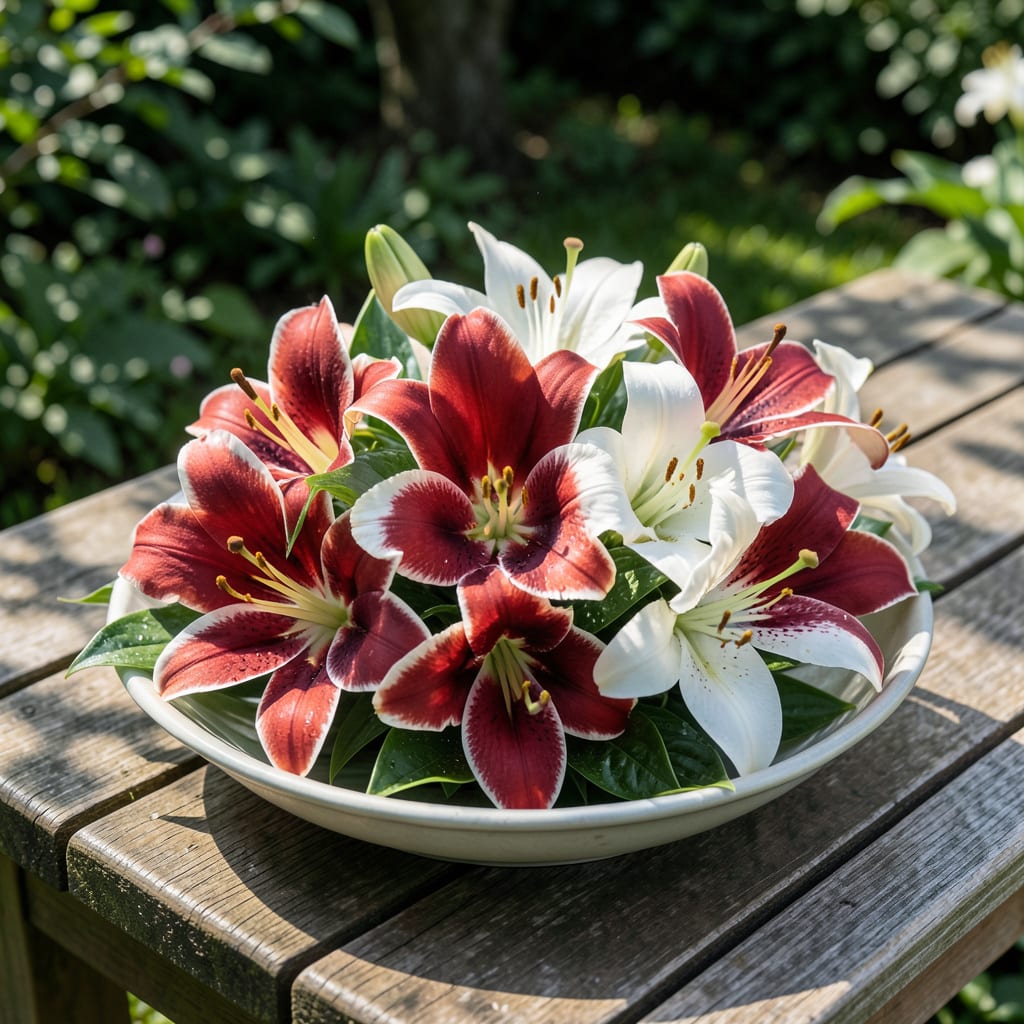
Red and white lilies bring dramatic color to any garden space. I’ve grown these showstoppers for years, and their bold blooms never fail to turn heads.
They thrive in well-draining soil with full sun and minimal fuss. Plant the bulbs in fall for a summer spectacle that keeps coming back, bigger and brighter every season.
📚 In This Guide
Here’s the method I rely on to get bold, vibrant blooms year after year.
Select a spot with full sun to partial shade—at least 6 hours of sunlight daily ensures the richest color in red and white varieties. Avoid low-lying areas where water pools, as lilies despise soggy roots. I always test the soil drainage first by digging a 12-inch hole and filling it with water.
If the water drains within 1-2 hours, you’re good to go. If it lingers, consider amending the soil with compost or planting in a raised bed. The ideal location has well-draining soil with a pH between 6.0 and 6.5, which you can test with an inexpensive kit from any garden center.
Loosen the soil to a depth of 12-15 inches and mix in a 2-3 inch layer of organic matter like compost or well-rotted manure. This improves drainage and provides nutrients for healthy growth. I avoid fresh manure as it can burn tender bulbs.
If your soil is heavy clay, add coarse sand or perlite to improve texture. For sandy soil, mix in peat moss or coconut coir to help retain moisture. The goal is a loose, fertile bed that allows roots to establish quickly while preventing waterlogging.
Dig individual holes 4-6 inches deep—about three times the height of the bulb. Space the bulbs 8-12 inches apart to give them room to multiply over time. Place each bulb in the hole with the pointed end facing upward. This seems obvious, but I’ve seen more than one gardener plant bulbs upside down by mistake.
Backfill with soil and press down gently to remove air pockets. Water thoroughly after planting to settle the soil around the bulbs. You’ll know you’ve watered enough when the top 6 inches of soil feels evenly moist but not waterlogged.
Water the bulbs 1-2 times per week during the first growing season, or whenever the top 1-2 inches of soil feels dry to the touch. Reduce watering once the plants are established, as lilies are relatively drought-tolerant. I always water at the base to keep the foliage dry and prevent fungal diseases.
Apply a 2-3 inch layer of mulch around the plants to retain moisture and suppress weeds. Use organic mulch like shredded bark or straw, which will break down over time and enrich the soil. Avoid piling mulch directly against the stems, as this can encourage rot.
Feed your lilies with a balanced, slow-release fertilizer in early spring as new growth emerges. I use a 10-10-10 formula and follow the package instructions for application rates. Avoid high-nitrogen fertilizers, as they promote leafy growth at the expense of flowers.
Deadhead spent blooms regularly to encourage more flowers and prevent seed formation, which can drain the plant’s energy. However, leave the foliage in place until it turns yellow and dies back naturally in the fall. This allows the bulbs to store energy for next year’s blooms. With proper care, your red and white lilies will reward you with stunning, colorful displays for many seasons.
These practical pointers will help you avoid common pitfalls when planting.
Sunlight Requirement: The 6 hours of sunlight daily mentioned in Step 1 is non-negotiable for vibrant red and white blooms. If your garden gets less, consider planting in containers you can move to sunnier spots throughout the day.
Drainage Test: In Step 1, that 1-2 hour drainage test is crucial. If water takes longer to drain, amending with compost or using raised beds will prevent bulb rot. I learned this the hard way after losing several bulbs to soggy soil.
Planting Depth: The 4-6 inch depth in Step 3 isn’t arbitrary—it protects bulbs from temperature extremes. Planting too shallow can expose bulbs to freezing, while too deep may delay sprouting.
Watering Technique: When watering as described in Step 4, always check that top 1-2 inches of soil first. Overwatering is more damaging than underwatering for lilies, so when in doubt, wait another day.
The ideal time is early spring or fall, when temperatures are mild. This allows roots to establish before extreme heat or cold. Plant bulbs 6-8 inches deep in well-draining soil for vibrant blooms.
Deadhead spent flowers but leave foliage until it turns yellow. Continue watering moderately and apply a balanced fertilizer to encourage next year’s growth. Mulch in winter for protection.
Yes! Choose a large pot with drainage holes, use quality potting mix, and ensure full sun. Container lilies may need more frequent watering and occasional feeding for optimal blooms.
Yellow leaves often signal overwatering, poor drainage, or nutrient deficiencies. Check soil moisture and adjust watering. If soggy, improve drainage or move to a sunnier spot.
Try Asiatic lilies, daylilies, or tulips for bold reds and whites. These offer comparable vibrancy with varying care needs, perfect for diverse garden designs.
