
Beautiful Plants For Your Interior
Beautiful Plants For Your Interior
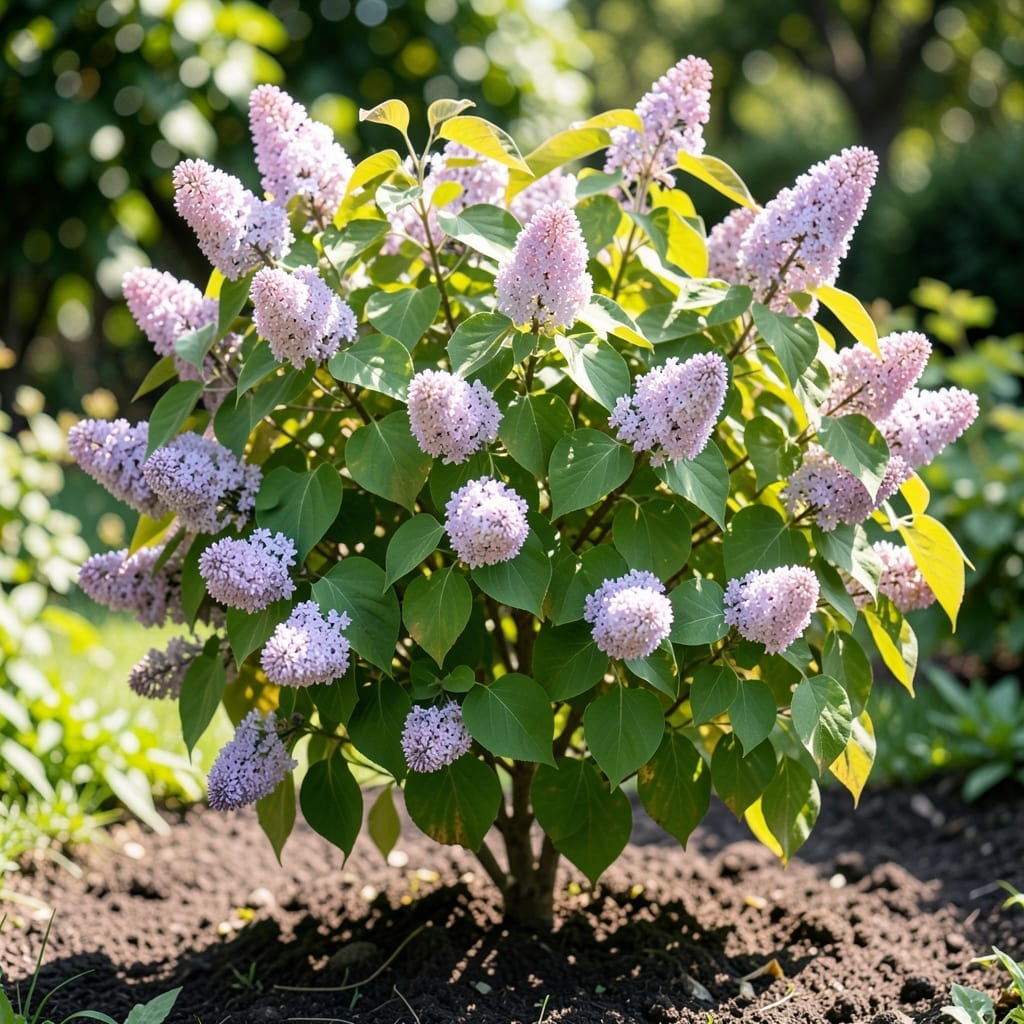
My lilac’s leaves turned yellow overnight last spring. Turns out, it wasn’t dying—just starving for the right nutrients in soil that was too alkaline.
I dug deeper and found most yellowing comes from iron deficiency, which lilacs can’t absorb when soil pH climbs above 7.0. A simple soil test confirmed my suspicion. The fix was cheaper than I expected.
Within 3 weeks of amending with sulfur and iron supplements, new growth emerged in that deep green I’d almost forgotten. The existing leaves gradually regained color as the plant recovered.
This approach works for established bushes and new plantings alike. Here’s how to diagnose and treat it before the problem spreads.
Lilac leaves turning yellow often signal underlying issues that disrupt their health. Below are the most common causes, explained with actionable insights to help you diagnose and address the problem.
Yellowing leaves, or chlorosis, frequently stem from a lack of essential nutrients. Iron deficiency is a primary culprit, especially in alkaline soils (pH above 7.0), where iron becomes less available to the plant. Magnesium deficiency can also cause yellowing between leaf veins, often starting in older leaves. A soil test will confirm which nutrients are lacking.
Lilacs thrive in slightly acidic to neutral soil (pH 6.0–7.0). When the pH rises above 7.0, the soil becomes alkaline, locking out critical nutrients like iron, manganese, and zinc. This leads to interveinal chlorosis, where leaves turn yellow while veins remain green. Amending the soil with sulfur or peat moss can help lower pH over time.
Excess water or poorly draining soil can suffocate roots, preventing them from absorbing nutrients. This often results in uniform yellowing across the leaf, accompanied by wilting or stunted growth. Ensure your lilac is planted in well-draining soil, and water only when the top inch of soil is dry.
Extreme temperatures, drought, or excessive sunlight can stress lilacs, leading to yellow leaves. Heat stress often causes leaf scorch, where edges turn yellow or brown. Providing afternoon shade in hot climates and maintaining consistent moisture can mitigate this issue.
When your lilac’s leaves turn yellow, the fix depends on the root cause. Below are practical solutions mapped to common issues, along with prevention tips to keep your shrub thriving.
Fix: Test your soil to identify missing nutrients. For nitrogen deficiency, apply a balanced fertilizer (10-10-10) or organic options like compost. Iron or magnesium shortages? Use chelated iron or Epsom salt (1 tbsp per gallon of water) as a foliar spray. Water deeply after applying to help roots absorb nutrients.
Prevention: Fertilize annually in early spring and mulch with organic matter to maintain soil health. 💡
Fix: Lilacs prefer slightly alkaline soil (pH 6.5–7.5). If your soil is too acidic, add lime to raise the pH. For overly alkaline soil, mix in sulfur or peat moss. Retest the pH after 2–3 months to track progress.
Prevention: Monitor pH every 2–3 years, especially if your area has naturally acidic or alkaline soil. ✨
Fix: Let the soil dry slightly between waterings. If drainage is poor, amend heavy clay soil with sand or compost. For potted lilacs, ensure containers have drainage holes and use a well-draining potting mix.
Prevention: Water deeply but infrequently (1–2 times weekly) and avoid soggy soil. 🌡️
Fix: Inspect leaves for pests like aphids or scale. Blast them off with water or use insecticidal soap. For fungal issues (e.g., powdery mildew), improve air circulation and apply fungicide if needed.
Prevention: Prune crowded branches to boost airflow and remove fallen debris to reduce disease risk. 🎯
This is classic iron deficiency, common in alkaline soils above pH 7.0. The veins stay green while the leaf tissue turns yellow. A soil test will confirm if iron is locked out.
Yes, soggy soil suffocates roots, preventing nutrient uptake. The yellowing is usually uniform across the leaf, often with wilting. Let soil dry slightly between waterings.
With proper amendments like sulfur or peat moss, new growth should appear in 2-3 weeks. Existing leaves may take longer to regain color as the plant recovers.
Severely yellowed leaves often won’t fully recover, but new growth will be healthy. Focus on correcting the underlying issue to prevent further yellowing.