
Beautiful Plants For Your Interior
Beautiful Plants For Your Interior
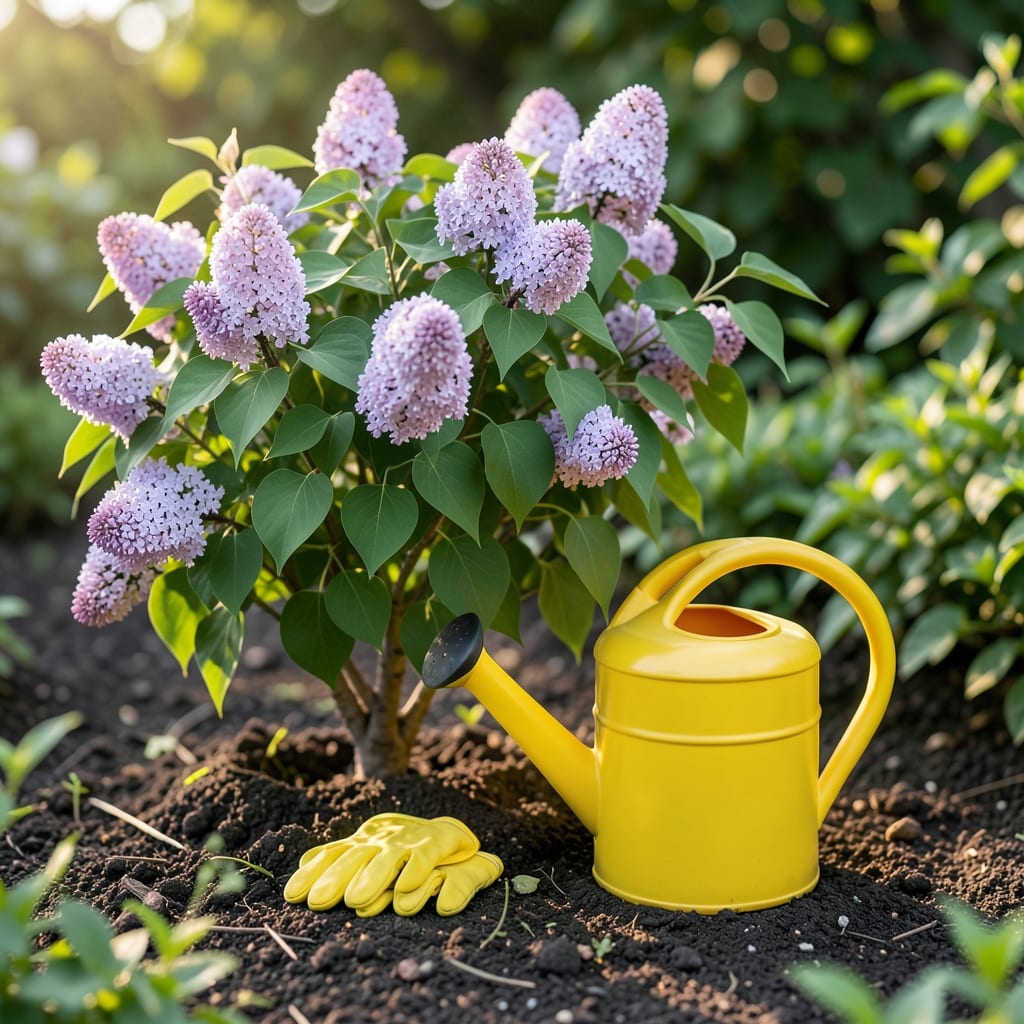
This color combo stopped me in my tracks last spring. 🌿 The deep purples of lilac blooms against sunny yellow flowers create a contrast that feels both bold and perfectly balanced.
I use alliums with daffodils for early season impact, then switch to catmint and coreopsis as summer takes over. The pairing works in full sun or partial shade, and it draws pollinators like nothing else in my garden.
📚 In This Guide
Here’s how I create stunning color combos that pop all season long.
Start by selecting lilacs that bloom in shades from pale lavender to deep purple. I love ‘Sensation’ for its rich color and strong fragrance. Plant them where they’ll get full sun—at least 6 hours daily—to ensure vibrant blooms.
Space plants 5-6 feet apart to allow for air circulation and future growth. Lilacs thrive in well-draining soil, so dig a hole twice as wide as the root ball. You’ll know they’re happy when new growth appears in early spring.
Pair your lilacs with yellow flowering plants like coreopsis, daffodils, or daylilies. These bright blooms create a striking contrast against the soft purples. I place yellow flowers in clusters near the lilacs so the colors intermingle naturally.
For early spring, plant daffodils in front of lilac shrubs. Their yellow trumpets bloom just as lilacs start to leaf out. By late spring, coreopsis and daylilies will take over, extending the color show into summer.
Add plants with yellow-green or variegated foliage to bridge the two colors. I like ‘Gold Mound’ spirea or ‘Sunjoy Neo’ barberry for their golden leaves. These plants keep the color scheme cohesive even when not in bloom.
Place foliage plants between or around the flowering shrubs. Their steady color provides a backdrop that makes the lilac and yellow blooms stand out even more. You’ll notice how the garden stays vibrant from spring through fall.
Prune lilacs right after they finish blooming to shape the shrub and encourage next year’s flowers. I remove about one-third of the oldest stems at ground level to keep the plant healthy. Yellow-flowering perennials like coreopsis need deadheading to keep blooming.
Water all plants deeply once a week, especially during dry spells. Lilacs prefer slightly moist soil but won’t tolerate soggy roots. You’ll see the difference in bloom quality when they’re well-maintained.
Incorporate annuals like marigolds or zinnias for bursts of yellow in summer and fall. I tuck them in gaps where spring bulbs have died back. This keeps the lilac and yellow theme going strong all season.
Use containers for flexibility. A pot of yellow petunias near a lilac bush can be moved to highlight different areas. The contrast stays fresh, and you can change it up yearly.
Small adjustments make a big difference in your garden’s color harmony.
Sunlight Strategy: Stick to that 6 hours of daily sun for lilacs—it’s non-negotiable for vibrant blooms. I learned this the hard way when my first lilacs produced pale, lackluster flowers in partial shade. Place them in the sunniest spot you have, and you’ll be rewarded with rich, fragrant blossoms.
Spacing Secret: The 5-6 feet apart rule isn’t just about growth—it’s about air circulation. Crowded lilacs develop mildew and weak stems. Trust me, giving them room to breathe means healthier plants and more spectacular blooms year after year.
Layering Technique: In Step 3, when adding foliage plants like ‘Gold Mound’ spirea, place them slightly in front of your lilacs. This creates depth and makes the yellow tones pop against the purple. Confession: I used to plant everything in a straight line until I realized this staggered approach looks far more natural.
Maintenance Mindset: That “one-third of oldest stems” pruning in Step 4 sounds drastic, but it’s the key to consistent blooms. I was nervous the first time I did it, but the next year’s flowers were twice as abundant. And don’t forget to deadhead your coreopsis—it’s the difference between a few blooms and a continuous yellow display.
Lilac and yellow pair beautifully with plants like lavender, daffodils, and coreopsis. These colors complement each other, creating a vibrant yet balanced look.
The ideal time to plant most lilac and yellow blooms is in early spring or fall. This allows roots to establish before extreme weather. Check specific plant needs for exact timing!
Absolutely! Use compact varieties like dwarf lilacs or marigolds. Vertical gardening with trellises or containers can also maximize space while keeping the color combo bold.
Check soil pH, sunlight, and watering habits. Lilacs often need well-drained soil and full sun, while some yellow flowers may require partial shade. Adjust care as needed!