
Beautiful Plants For Your Interior
Beautiful Plants For Your Interior
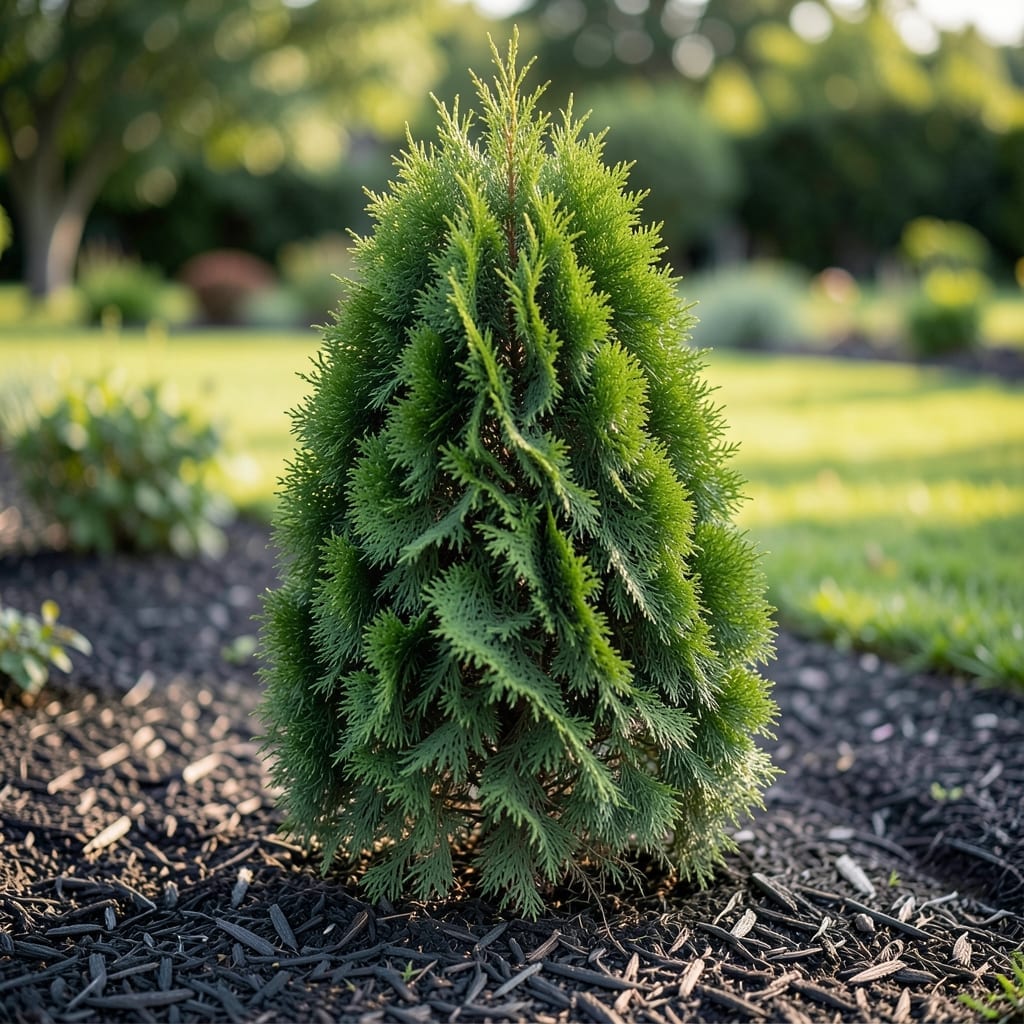
Arborvitae trees can grace your landscape for decades, but their lifespan depends on far more than just luck. Understanding what influences their longevity helps you cultivate thriving, long-lived specimens.
I’ve seen too many gardeners lose their 🌲 Arborvitae too soon simply because they overlooked a few key factors. With proper care and the right conditions, these evergreens can stand tall and proud for 50 years or more.
From soil quality to pruning habits, every choice you make impacts their lifespan. The good news? You don’t need a green thumb to get it right—just a little knowledge and consistency.
Discover how to give your Arborvitae the best shot at a long, healthy life. Let’s break down what really matters.
Not all Arborvitae are created equal when it comes to lifespan. The type you plant plays a huge role in how long it will thrive in your landscape. Some varieties naturally live longer than others.
For example, the American Arborvitae can reach 150-200 years in ideal conditions, while dwarf varieties like ‘Mr. Bowling Ball‘ may only last 20-30 years. Knowing these differences helps you set realistic expectations.
| Variety | Typical Lifespan | Mature Height |
|---|---|---|
| American Arborvitae | 150-200 years | 40-60 ft |
| Green Giant | 50-80 years | 30-50 ft |
| Emerald Green | 30-50 years | 12-15 ft |
| Dwarf Varieties | 20-30 years | 3-10 ft |
The Green Giant is a popular choice for its fast growth and long lifespan of 50-80 years. It’s also more resistant to diseases than many other varieties, which contributes to its durability.
Emerald Green Arborvitae typically lives 30-50 years. Its compact size makes it perfect for hedges and privacy screens, but it requires consistent care to reach its full potential.
For smaller spaces, dwarf Arborvitae like ‘Golden Globe’ or ‘Mr. Bowling Ball’ offer a shorter lifespan of 20-30 years. These are ideal for container gardening or small yards where space is limited.
Environmental factors also play a significant role. Arborvitae planted in USDA zones 3-7 tend to live longer because these zones offer the ideal climate for their growth. Extreme heat or cold can shorten their lifespan.
Soil quality is another critical factor. Arborvitae thrive in well-draining soil with a slightly acidic pH. Poor soil conditions can lead to root rot and other issues that reduce their longevity.
Proper watering practices are essential, too. Overwatering can cause root diseases, while underwatering can stress the tree. A deep watering once a week is usually sufficient once the tree is established.
Finally, pruning and maintenance can impact lifespan. Regular pruning helps maintain the tree’s shape and promotes healthy growth. Avoid heavy pruning, as it can stress the tree and make it more susceptible to diseases. 🌲
The lifespan of your 🌲 Arborvitae isn’t just about time—it’s about how you care for it. From the soil it grows in to the amount of water it receives, every detail plays a role in its longevity.
I’ve found that proper planting depth and consistent moisture are two of the biggest game-changers. Too deep or too shallow, and your tree struggles from day one.
One often-overlooked factor is mulching properly. A 2-3 inch layer of organic mulch helps retain moisture and regulate soil temperature, but keep it away from the trunk to prevent rot.
Climate adaptability also matters. Arborvitae thrives in USDA zones 3-7, but extreme heat or cold can stress the tree. If you’re in a borderline zone, consider windbreaks or shade cloth for protection.
Finally, regular inspections for pests or disease can catch issues early. Look for yellowing foliage or unusual spots, which often signal trouble before it spreads. Early action saves years of growth.
With these factors in mind, your Arborvitae can thrive for decades, becoming a stunning centerpiece in your landscape 🌳