
Beautiful Plants For Your Interior
Beautiful Plants For Your Interior
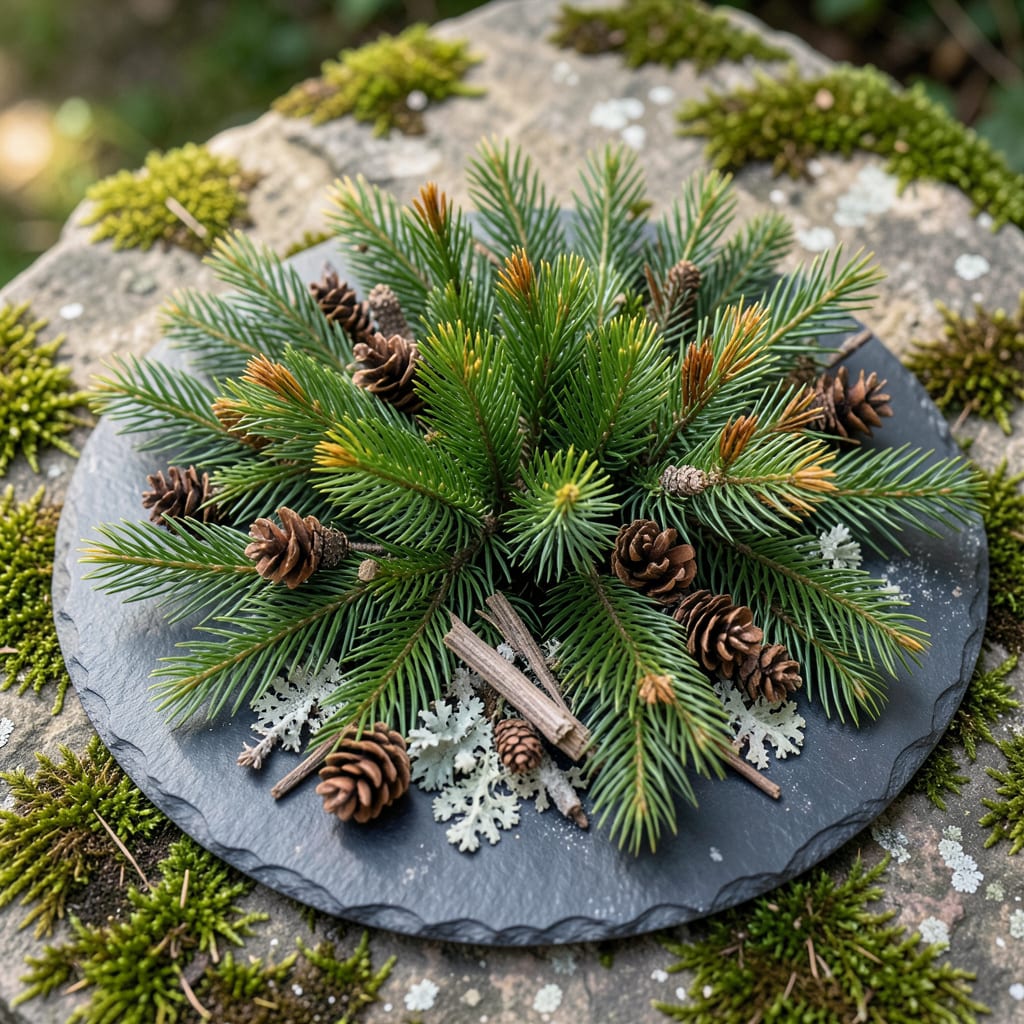
Spotted the first brown patches on your arborvitae this morning. 🌿 I’ve been there—watching those emerald green beauties turn sickly overnight feels like losing a member of the family.
Here’s the thing—most issues start small: subtle color shifts, unusual spotting, or thinning foliage. Catching them early means the difference between a full recovery and a 6-foot loss. The key is knowing what healthy looks like first.
Organic solutions do work, but timing matters. Once I switched to preventative spraying and better airflow, my hedge bounced back in one season. The trick is consistency, not complexity.
Works for new plantings and established hedges alike. Let’s save those green giants.
Understanding why Emerald Green Arborvitae falls victim to disease starts with recognizing the key stressors and pathogens that compromise its health. Below are the primary causes, broken down for clarity and actionability.
Fungi like Phomopsis and Kabatina thrive in wet, humid conditions, attacking weakened trees. Phomopsis causes needle blight, turning foliage brown, while Kabatina leads to tip dieback. Poor air circulation or overhead irrigation exacerbates fungal growth.
Extreme temperatures, drought, or waterlogged soil stress the tree, reducing its natural defenses. Arborvitae in poorly drained areas or exposed to winter desiccation (from cold winds and frozen soil) are especially vulnerable to disease.
Insects such as bagworms and spider mites weaken the tree by feeding on its foliage, creating entry points for pathogens. Bagworms defoliate branches, while spider mites cause yellowing or bronzing, both of which invite secondary infections.
Improper planting depth, compacted soil, or excessive mulching can suffocate roots, limiting water and nutrient uptake. Over-fertilization, particularly with high-nitrogen products, promotes tender growth that’s more susceptible to disease.
Dealing with diseases in your Emerald Green Arborvitae? Here’s how to tackle the most common issues and restore your plants to health.
Remove infected branches immediately to prevent spread. Apply a copper-based fungicide or neem oil every 7–10 days until symptoms disappear. Prevention tip: 💡 Space plants properly for airflow and avoid overhead watering.
Blast pests off with a strong stream of water or apply insecticidal soap. For stubborn cases, use horticultural oil. Prevention tip: 🎯 Inspect plants weekly and encourage beneficial insects like ladybugs.
Stop watering and let the soil dry out. Trim black, mushy roots and repot in fresh, well-draining soil. Prevention tip: ✨ Plant in raised beds or amend soil with compost to improve drainage.
Water deeply 1–2 times per week during dry spells and mulch around the base to retain moisture. Prevention tip: 🌡️ Shield plants from harsh afternoon sun with shade cloth if needed.
Act quickly at the first sign of trouble, and your Arborvitae will bounce back stronger!
Look for brown or blackened foliage, especially at the tips. Fungal issues often start with small, discolored patches that spread rapidly in wet conditions. Check for tiny black spots on needles, a hallmark of Phomopsis.
Regularly inspect leaves for webs or chewed edges. Apply horticultural oil in early spring to smother pests like spider mites. Encourage ladybugs and lacewings, which naturally control infestations.
Soggy soil leads to root rot, which weakens the plant and invites fungal infections. Always let the top 2-3 inches of soil dry between waterings. Ensure your planting site has good drainage.
