
Beautiful Plants For Your Interior
Beautiful Plants For Your Interior
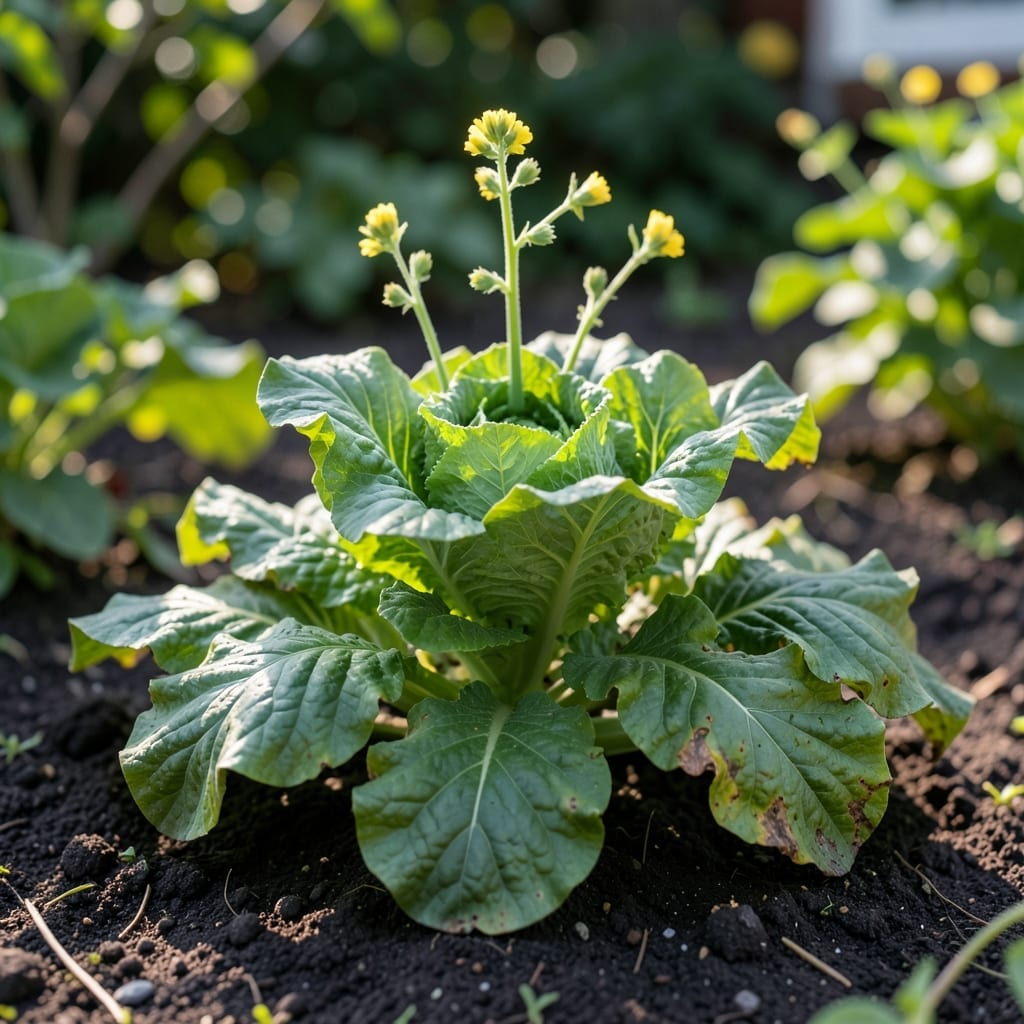
Those yellow flowers on your lettuce aren’t a mistake—they’re a cry for help. 🌱 I’ve watched perfect heads turn bitter overnight when this happens, and it always comes down to stress.
Heat, long days, or inconsistent watering trigger bolting, sending energy into flowers instead of leaves. The fix isn’t complicated: shade cloth in midday heat, regular watering, and succession planting every 2-3 weeks.
Catching it early means you can still harvest tender leaves before they turn tough. Once flowers appear, pull the plants—they’ll only get more bitter and attract pests.
This isn’t a failure, just nature’s way of saying your timing or conditions need adjustment. Next season, you’ll spot the signs sooner.
Lettuce producing yellow flowers is a natural but often unwanted process called bolting. This shift from leaf growth to flowering is triggered by several environmental and biological factors. Understanding these causes helps you prevent it and keep your lettuce leafy and tender.
Lettuce is a cool-season crop that thrives in temperatures between 60–70°F (15–21°C). When temperatures rise above 75°F (24°C), the plant perceives stress and accelerates its reproductive cycle, producing yellow flowers to set seed. This is a survival mechanism to ensure propagation before heat damage occurs.
Lettuce is sensitive to photoperiodism—the length of daylight hours. Most varieties are long-day plants, meaning they bolt when daylight exceeds 12–14 hours. As days grow longer in late spring or summer, the plant interprets this as a signal to flower, shifting energy from leaf production to seed development.
Some lettuce varieties, like butterhead or romaine, are more prone to bolting than others (e.g., loose-leaf types). Additionally, as lettuce reaches maturity (typically 6–8 weeks after planting), its internal hormones (like gibberellins) trigger flowering, especially if other stress factors are present.
Inconsistent watering—either drought or overwatering—stresses the plant, prompting bolting. Similarly, nitrogen deficiency (a key nutrient for leaf growth) can cause the plant to prioritize reproduction. Ensure steady moisture and balanced fertilization (e.g., 10-10-10 NPK) to delay flowering.
When your lettuce starts growing yellow flowers, it’s a sign of bolting—but you can still salvage your crop and prevent future issues. Here’s how to tackle each cause with simple, actionable steps.
If high temperatures triggered bolting, shade your lettuce immediately. Use row covers or plant taller crops (like tomatoes) nearby to provide natural shade. Water deeply in the early morning to keep soil cool. For next season, opt for heat-tolerant varieties like ‘Jericho’ or ‘Black Seeded Simpson.’
Prevention tip: 💡 Plant lettuce in early spring or late summer to avoid peak heat.
Lettuce bolts when days grow long. If you planted late, harvest leaves early (even baby greens) before the flower stalk forms. Switch to slow-bolting varieties like ‘Oakleaf’ or ‘Romaine’ for future plantings. In hot climates, sow seeds indoors and transplant seedlings to extend the growing window.
Prevention tip: 🎯 Use a planting calendar to align with cooler, shorter-day periods.
Fluctuating soil moisture stresses lettuce. Mulch heavily with straw or compost to retain moisture and keep roots cool. Water consistently—aim for 1–1.5 inches per week, adjusting for rainfall. Drip irrigation works best to avoid wetting the leaves, which can invite disease.
Prevention tip: ✨ Install a rain gauge to track watering needs accurately.
Overcrowding forces competition for nutrients and light, accelerating bolting. Thin seedlings to 6–12 inches apart, depending on the variety. If plants are already crowded, harvest every other one to give the rest room to thrive.
Prevention tip: 🌱 Follow spacing guidelines on seed packets from day one.
With these fixes, you can slow or stop bolting and enjoy fresh lettuce longer. For next season, combine shade, timing, and variety selection to keep those yellow flowers at bay!
Yes, it’s safe but the leaves will taste bitter. The flowers signal bolting, which makes leaves tough and unpalatable. Harvest any remaining tender leaves quickly before they spoil.
Use shade cloth to block 40-50% of sunlight and plant heat-tolerant varieties like ‘Jericho.’ Water deeply in early morning to keep roots cool.
Pull and compost them to prevent seed spread. Bolted plants turn bitter and attract pests. Replace with quick-growing crops like radishes or spinach.