
Beautiful Plants For Your Interior
Beautiful Plants For Your Interior
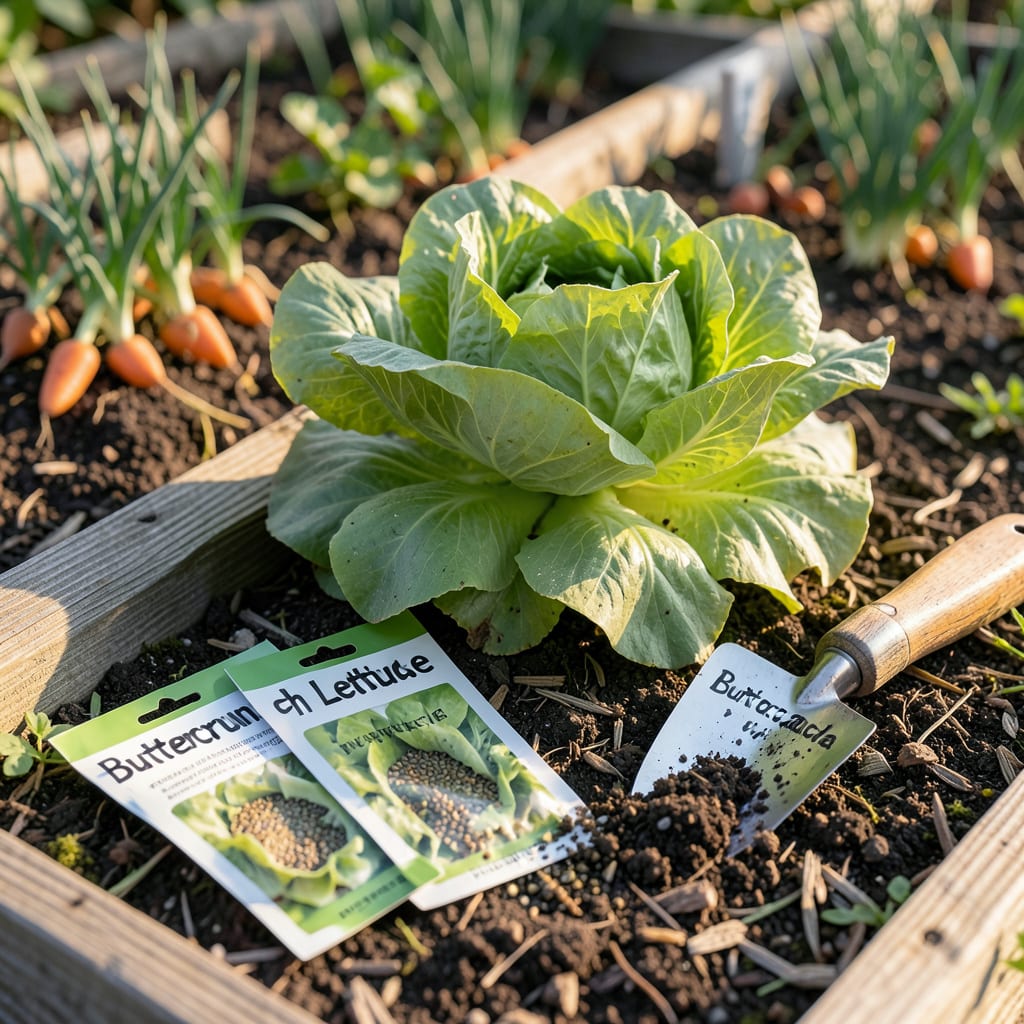
Florida gardeners know the struggle—one day your lettuce is thriving, the next it’s bolting in the heat. The difference between crisp, sweet leaves and bitter disappointments often comes down to just a few weeks of perfect timing.
I’ve tested planting windows across the state, from North Florida’s cooler winters to South Florida’s year-round warmth. Whether you’re in Jacksonville or Miami, I’ll show you exactly when to sow for a bounty of fresh 🥬—without the guesswork.
If you’ve ever tried growing lettuce in Florida, you know the struggle is real. Our humid subtropical climate can turn tender leaves into bitter, bolted disappointments—unless you nail the timing. The secret? Planting during Florida’s cool season, when temperatures stay below 75°F to prevent premature flowering.
Florida isn’t one-size-fits-all, though. Your planting window shifts dramatically from North Florida (where light frosts happen) to South Florida (where winters are practically summer elsewhere). I’ll break down the exact months for each region, so you can grow crisp, sweet lettuce without the guesswork.
| Region | Primary Window | Secondary Window | Days to Harvest |
|---|---|---|---|
| North Florida (Zones 8a-9a) |
Sept–Feb Avoid Dec–Jan frosts |
Mar–Apr Risk of bolting |
45–60 days |
| Central Florida (Zone 9b) |
Oct–Mar Peak: Nov–Feb |
Apr Early harvest only |
40–55 days |
| South Florida (Zones 10a-11) |
Nov–Feb Coolest months |
None Too hot by Mar |
35–50 days |
💡 Pro Tip: Soil temps should be 60–68°F for germination. Use a soil thermometer to check!
In North Florida, you’ve got a bit more wiggle room thanks to occasional winter chills. I’ve had great success sowing ‘Winter Density’ romaine in late September for a Thanksgiving harvest. Just watch for unexpected cold snaps—floating row covers can save your crop if temps dip below 28°F.
Down in Central Florida, where I garden, the sweet spot is October through March. The trick here is succession planting: sow new seeds every 2–3 weeks to keep your harvest going. By April, the heat ramps up fast, so I switch to shade cloth (30–40% density) to buy another week or two.
South Florida gardeners face the toughest challenge—your window is tight! Stick to November–February, and prioritize heat-tolerant varieties like ‘Jericho’ or ‘Magenta’. I’ve seen gardeners in Miami-Dade grow lettuce in partial shade under mango trees, using the dappled sunlight to their advantage.
No matter where you are, soil prep is key. Florida’s sandy soil drains fast, so amend with compost or coconut coir to retain moisture. Aim for a pH of 6.0–6.8—a simple home test kit will do. And here’s a trick: plant in raised beds to improve drainage and warm the soil faster in cooler months.
If you’re itching to grow lettuce in spring or summer, don’t bother—unless you’re using hydroponics or indoor grow lights. Even then, most varieties will bolt within days once temps hit 80°F. Save yourself the heartache and stick to the cool-season windows above.
For organic gardeners, align your planting with the moon phases. I’ve found that sowing during a waxing moon (just after the new moon) gives a slight boost to leafy growth. It’s not magic—just gravity’s effect on moisture in the soil. Pair this with fish emulsion fertilizer every 3 weeks for lush, fast-growing leaves.
Lastly, keep an eye on the 10-day forecast before sowing. If a heat wave is coming, hold off—wait for temps to dip back below 75°F. Lettuce seeds won’t germinate well in hot soil, and seedlings will struggle. Patience here pays off with tender, sweet leaves instead of tough, bitter ones.
Ready to get started? Grab your seeds, mark your calendar, and remember: in Florida, timing isn’t just important—it’s everything. Happy planting! 🌱
Not all lettuce is created equal—especially in Florida. Our steamy heat and humid air can turn standard varieties into bitter, bolted messes overnight. After years of testing, I’ve narrowed it down to five standout cultivars that laugh in the face of Florida’s climate.
These aren’t your average grocery-store lettuces. They’re slow-bolting champions, bred to hold their cool when temps climb. Some even thrive in partial shade, making them perfect for squeezing into tight planting windows. Let’s dig into the best of the best—plus where to find their seeds.
| Variety | Heat Tolerance | Days to Harvest | Flavor Profile | Best For |
|---|---|---|---|---|
| Jericho (Romaine) |
90°F+ Slowest to bolt |
55–60 days | Sweet, crisp, nutty | Spring/fall planting |
| Black Seeded Simpson (Leaf) |
85°F Cut-and-come-again |
45–50 days | Buttery, tender | Container gardens |
| Magenta (Lollo Rossa) |
88°F Color intensifies in heat |
50–55 days | Peppery, crisp | Ornamental edges |
| Oakleaf (Looseleaf) |
82°F Disease-resistant |
40–45 days | Mild, delicate | Quick harvests |
| Anuenue (Butterhead) |
86°F Humidity-loving |
55–60 days | Rich, buttery | Hydroponics |
💡 Seed Tip: Buy from Southern Exposure Seed Exchange or UF/IFAS-approved suppliers for Florida-adapted strains.
Jericho romaine is my top pick for Florida newcomers. It’s practically bolt-proof, holding strong even when temps hit 90°F. I’ve harvested it in Central Florida as late as May with 50% shade cloth. The secret? Keep soil consistently moist—drip irrigation works wonders here.
For container gardeners, Black Seeded Simpson is a dream. Its loose leaves let you snip just what you need, and it regrows quickly. I grow mine in 5-gallon buckets with coconut coir to retain moisture. In South Florida, try tucking it under banana plants for natural shade.
Magenta’s deep red leaves aren’t just pretty—they’re a heat indicator. When the color deepens, you’ll know it’s happy! This variety thrives in partial shade (think east-facing beds) and adds a peppery kick to salads. Pair it with ‘Oakleaf’ for a color and texture combo that’s as stunning as it is tasty.
Speaking of Oakleaf, this is your speed demon—ready in just 40 days! It’s perfect for succession planting in Central Florida. Sow a new batch every 3 weeks from October to February for a nonstop harvest. Pro tip: Thin seedlings to 6 inches apart to prevent crowding and fungal issues.
Lastly, Anuenue butterhead is the humidity hero. Developed in Hawaii, it laughs at Florida’s muggy air. The heads form tightly, resisting rot better than most. For best results, plant in raised beds with well-draining soil and harvest in the cool morning hours to maximize crispness.
Where to buy? Skip the big-box stores. For Florida-adapted seeds, I
Even with perfect timing, Florida’s humidity and heat can sabotage your lettuce crop. I’ve seen gardeners make the same mistakes year after year—bolting lettuce, soggy roots, or seedlings that never sprout. The good news? These issues are totally preventable once you know the fixes.
Most problems stem from misunderstanding Florida’s sandy soil and unpredictable weather. Whether it’s overwatering in rainstorms or planting too late in spring, small missteps add up. Let’s tackle the biggest offenders and how to sidestep them for a crisp, sweet harvest every time.
💡 Pro Tip: Set up a drip irrigation timer for 6 AM watering—avoids fungal spores from evening moisture.
One of the biggest mistakes I see is planting lettuce in summer, even with shade. Once temps hit 80°F, most varieties bolt within days. Instead, focus on fall and winter plantings. In South Florida, I’ve had success with ‘Anuenue’ butterhead under 60% shade cloth in late February—but it’s a gamble.
Poor soil prep is another silent killer. Florida’s sandy, nutrient-poor soil drains too fast for lettuce. Before planting, mix in 2–3 inches of compost and a balanced fertilizer (like 5-5-5). For containers, use a lightweight potting mix with vermiculite to hold moisture without waterlogging. Test your soil’s pH—lettuce prefers 6.0–6.8.
Don’t forget about spacing! Crowded lettuce leads to poor air circulation, which invites fungal diseases like downy mildew. Thin seedlings to 6–12 inches apart, depending on the variety. For leaf lettuces, you can plant closer (4–6 inches) since you’ll harvest outer leaves first. Use a ruler or planting grid to keep rows neat.
Finally, watch for pests—they love Florida as much as we do. Slugs and snails will devour young lettuce overnight. Set up beer traps (bury a cup filled with beer at soil level) or use iron phosphate baits (pet-safe). For aphids, blast them off with water early in the day, then apply insecticidal soap if they return.
With these fixes, you’ll avoid the bitter, bolted lettuce that frustrates so many Florida gardeners. Remember: timing, soil, and spacing are your best tools. Now go grow that perfect salad! 🌱
Not reliably. Lettuce thrives in cool weather (below 75°F) and bolts quickly in heat. Stick to fall through early spring plantings, avoiding summer months entirely. South Florida’s window is even tighter—November to February only.
Use 30–50% shade cloth to block intense afternoon sun. In Central/South Florida, plant near taller crops (like tomatoes) for natural shade. Drip irrigation in early morning keeps roots cool without wetting leaves, which invites disease.
Check soil daily—water when the top inch feels dry. Sandy soil drains fast, so short, frequent sessions (every 1–2 days) work better than deep soaks. Mulch with straw to retain moisture and prevent soil splashing onto leaves.
Bitterness comes from heat stress or bolting. Harvest leaves early in the day when they’re crispest. Choose slow-bolting varieties like ‘Jericho’ or ‘Anuenue,’ and avoid planting after March 15 in most regions. Consistent moisture helps too!
Use wide, shallow containers (at least 6 inches deep) with drainage holes. Fill with a lightweight potting mix amended with compost. Place in morning sun/afternoon shade, and water daily—containers dry out faster than ground soil.
