
Beautiful Plants For Your Interior
Beautiful Plants For Your Interior
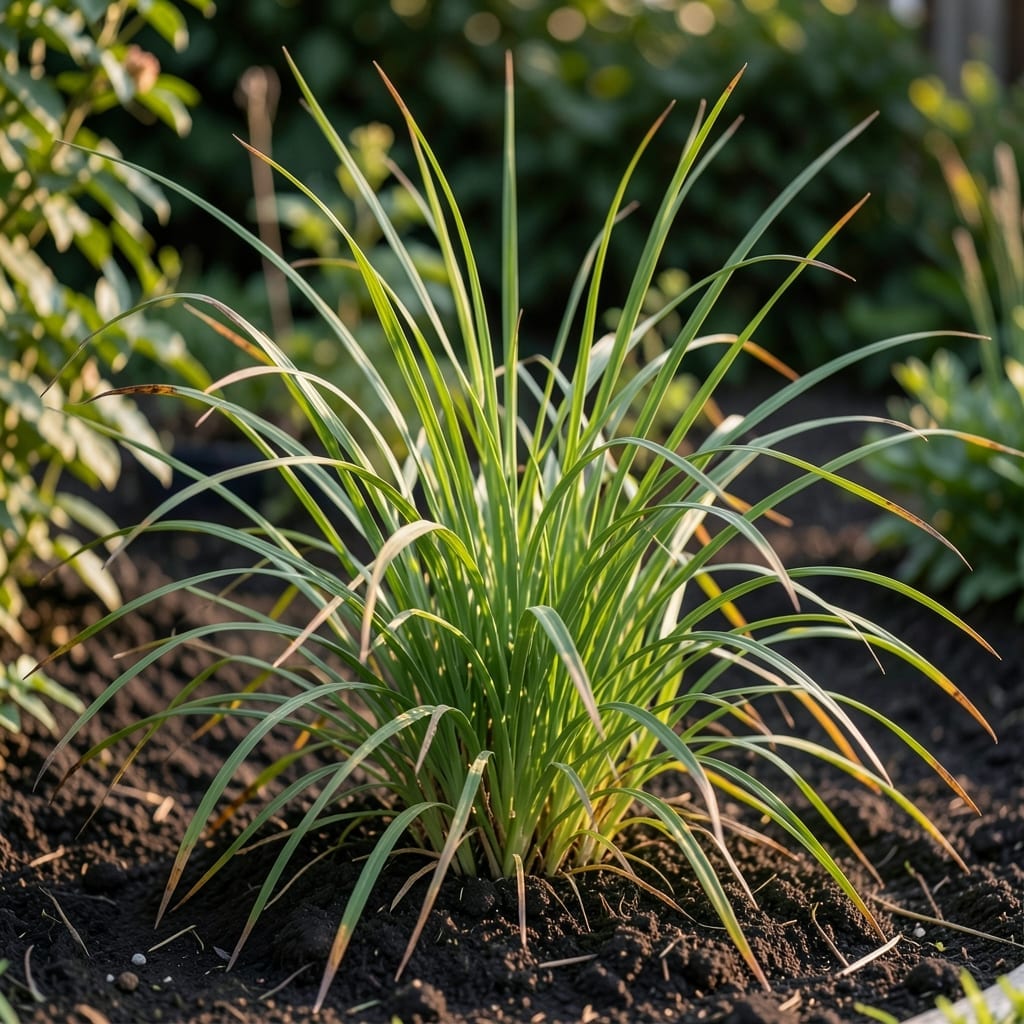
Brown lemongrass stalks caught me off guard last summer. 🌱 I assumed it was drought stress, but the real culprit was overwatering—roots suffocating in soggy soil.
Most brown tips come from simple fixes: inconsistent watering, too much shade, or spider mites sucking the life out of leaves. I’ve revived dozens of plants just by adjusting these three things.
You’ll see new green growth within 2-3 weeks once the roots recover. The key is catching it early before the brown spreads to the whole stalk.
Works for potted or in-ground plants. Here’s how to diagnose and fix it fast.
Lemongrass turning brown is often a sign of stress or improper care. Here are the most common causes, explained with actionable insights:
Lemongrass thrives in warm climates (70–95°F). Browning occurs when exposed to cold drafts below 40°F or scorching heat above 100°F. Cold damage disrupts chlorophyll production, while extreme heat accelerates moisture loss, leading to crispy, brown tips.
Overwatering suffocates roots, causing rot and brown discoloration. Underwatering stresses the plant, turning leaves dry and brittle. Lemongrass prefers consistently moist but well-drained soil—check the top inch of soil before watering.
While lemongrass loves sunlight, intense, direct UV rays (especially in dry climates) can scorch the leaves. This results in brown, papery edges. Provide partial shade during peak afternoon hours if browning persists.
A lack of nitrogen (yellowing + browning) or potassium (brown leaf margins) often triggers discoloration. Use a balanced, water-soluble fertilizer (10-10-10) every 4–6 weeks during the growing season.
Spider mites and aphids suck sap from leaves, causing brown spots or streaks. Inspect undersides of leaves and treat with neem oil or insecticidal soap at first signs of pests.
Here’s how to tackle browning lemongrass, cause by cause, with practical fixes and prevention tips to keep your stalks vibrant.
If the soil is dry and cracked, your lemongrass is thirsty. Water deeply at the base 2–3 times a week, ensuring the top 1–2 inches of soil stay moist (but not soggy). Prevention tip: 💡 Mulch with organic matter to retain moisture and reduce evaporation.
Yellowing or mushy brown stalks often signal root rot. Stop watering immediately and let the soil dry out. Repot in well-draining soil or add perlite to the mix. Prevention tip: ✨ Use pots with drainage holes and water only when the top inch of soil feels dry.
Scorched, crispy tips? Your plant may be sunburnt. Move it to partial shade (4–6 hours of sunlight) or use a shade cloth during peak afternoon heat. Prevention tip: 🎯 Acclimate new plants gradually to full sun to avoid shock.
Brown, wilting leaves in cool weather mean it’s too chilly. Bring potted lemongrass indoors or cover outdoor plants with frost cloth when temps drop below 40°F (4°C). Prevention tip: 🌡️ Plant in a warm, sheltered spot or grow in containers for easy winter relocation.
Check for aphids, spider mites, or fungal spots. Spray with neem oil or a soapy water solution (1 tsp mild soap per quart of water) weekly until pests are gone. For fungus, remove affected stalks and improve air circulation. Prevention tip: 🔥 Space plants 18–24 inches apart to prevent crowding and disease spread.
Not necessarily. Early browning often means stress, not death. Trim affected parts and adjust care. New growth appears in 2-3 weeks with proper fixes.
If the center is still firm and green, cut back to healthy tissue. Fully brown, mushy stalks should be removed to prevent disease spread.
Water when the top 1 inch of soil feels dry. In hot climates, this may mean 2-3 times weekly. Always ensure good drainage.
Mild browning doesn’t impact taste. However, severely damaged stalks may taste bitter. Harvest healthy parts and discard the rest.