
Beautiful Plants For Your Interior
Beautiful Plants For Your Interior
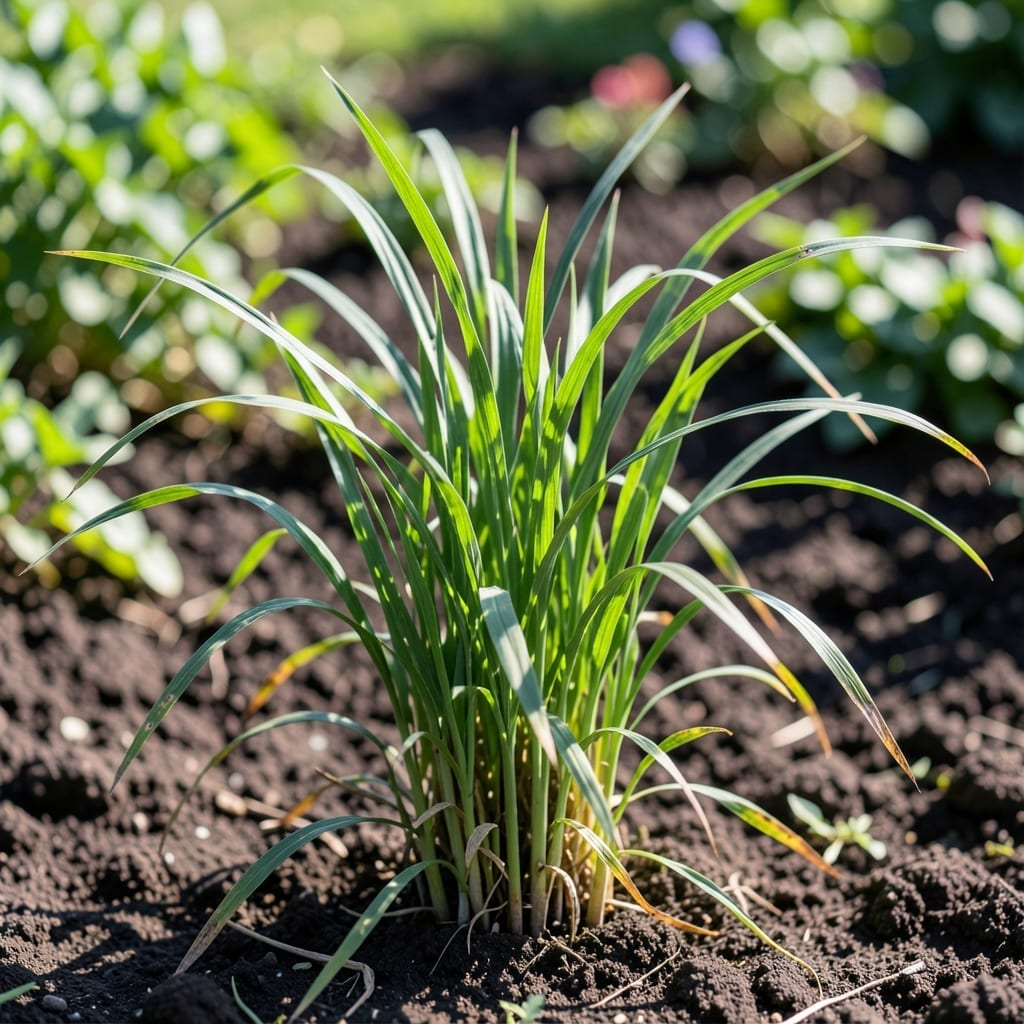
Curious about how tall your lemongrass will grow? The height of this fragrant 🌿 tropical plant can surprise even seasoned gardeners.
In ideal conditions, you might see it stretch far beyond what you’d expect. Many people underestimate just how much space this vigorous grower needs.
I’ve learned that with the right care, lemongrass can transform your garden into a lush, towering paradise. The difference between stunted growth and impressive height often comes down to a few simple factors.
Let me show you exactly what affects its growth and how to maximize it. You’ll be amazed at what this plant can achieve with proper attention.

If you’re growing lemongrass, you might be amazed at how quickly it reaches for the sky. In perfect conditions, this tropical grass can grow 3 to 5 feet tall, with some varieties even surpassing that.
Most mature lemongrass plants hit their stride at 4 feet, but Citronella lemongrass tends to stay shorter, around 2 to 3 feet, while East Indian lemongrass can stretch up to 6 feet in warm climates.
The height of lemongrass depends heavily on climate. In USDA zones 9-11, it thrives year-round, while in cooler areas, it may only reach 2-3 feet before winter slows its growth.
Soil quality plays a huge role too. Lemongrass loves well-draining soil rich in organic matter. If your soil is heavy or clay-like, amending it with compost can boost growth significantly.
Water is another key factor. This plant prefers consistent moisture but hates soggy roots. I recommend deep watering 2-3 times weekly in hot weather to encourage maximum height.
Sunlight is non-negotiable for tall lemongrass. Aim for 6-8 hours of direct sun daily. Without enough light, your plants will stay stunted and leggy rather than full and robust.
If you’re growing lemongrass in containers, choose a large pot (at least 12 inches deep). Restricted roots can limit height, so give them room to spread.
I’ve found that regular feeding with a balanced fertilizer every 4-6 weeks during the growing season helps my lemongrass reach its full potential. Try a 10-10-10 formula for best results.
Pruning can also influence height. While you might think trimming would stunt growth, removing old stalks actually encourages new, taller shoots to emerge from the base.
Finally, remember that patience pays off. Lemongrass grows quickly once established, but it may take a full season to reach its maximum height in your garden. 🌿
To maximize your lemongrass plant height, start with the right foundation. I recommend 24-inch deep containers for potted growth, as this mimics the root space of in-ground planting. The minimum soil depth should be 12 inches to support tall stalks.
In garden beds, space plants 24-36 inches apart to prevent competition. This spacing gives each mature lemongrass room to reach its 3-5 foot potential without crowding neighbors.
For container growing, I’ve found that fabric grow bags work exceptionally well. They promote air pruning of roots, which surprisingly leads to taller above-ground growth compared to plastic pots.
Don’t overlook wind protection for tall lemongrass. A simple bamboo stake or tomato cage can prevent stalk breakage during storms. I learned this the hard way after losing several 4-foot plants to a summer gust.
If you’re growing in cooler climates, start plants indoors 6-8 weeks early. This head start helps compensate for the shorter growing season and can add 1-2 feet to final height.
Remember that East Indian lemongrass typically grows taller than Citronella varieties. For the maximum height, choose the former and provide consistent moisture without waterlogging.
🌿