
Beautiful Plants For Your Interior
Beautiful Plants For Your Interior
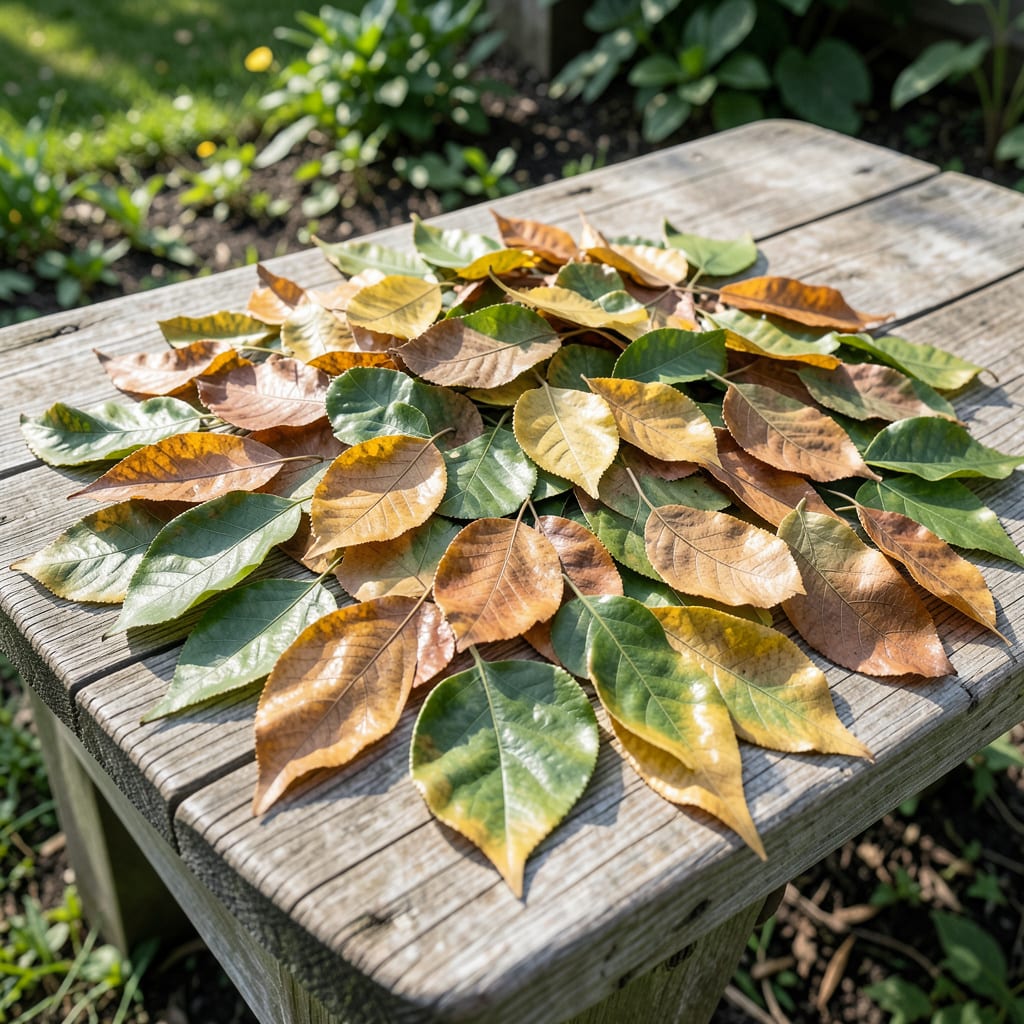
Crispy brown edges on lemon leaves mean your tree is crying out for help. I’ve nursed dozens back from the brink—it’s always fixable when you catch it early.
Usually it’s underwatering, too much sun, or a thirsty root system. Sometimes pests or disease sneak in, but the first 48 hours of action make all the difference.
With the right adjustments, you’ll see new vibrant green growth within 2-3 weeks. The leaves will plump up, the soil will stay moist but not soggy, and your tree will thank you.
Works for potted trees, backyard plantings, or even indoor lemons. Let’s get those leaves lush again.
Lemon tree leaves drying up can stem from several environmental and care-related factors. Understanding the root cause is key to reviving your tree. Here are the most common culprits:
Improper watering disrupts the tree’s moisture balance. Underwatering causes leaves to dry out as the roots fail to absorb enough water, while overwatering suffocates roots, leading to poor nutrient uptake and wilting. Lemon trees thrive with deep, infrequent watering—aim for soil that’s moist but not soggy.
While lemon trees love sunlight, intense heat or direct afternoon sun (especially in arid climates) can scorch leaves, causing them to dry and crisp. Young trees or those in containers are particularly vulnerable. Provide partial shade during peak heat hours if leaves show signs of stress.
Lemon trees are native to humid subtropical regions. Dry air (common indoors or in desert-like outdoor conditions) accelerates moisture loss from leaves, leading to browning and drying. Increase humidity with mulching, misting, or a nearby water tray to mimic their natural habitat.
Sap-sucking pests like spider mites, aphids, or scale insects weaken the tree by draining its fluids, causing leaves to dry and curl. Inspect the undersides of leaves for tiny webs, sticky residue, or visible bugs. Treat with neem oil or insecticidal soap for a non-toxic solution.
A lack of essential nutrients (e.g., nitrogen, magnesium, or potassium) can manifest as drying or yellowing leaves. Nitrogen deficiency often causes uniform yellowing, while magnesium deficiency leads to interveinal chlorosis (yellowing between veins). Use a balanced citrus fertilizer to restore vitality.
If your lemon tree’s leaves are drying up, act fast with these targeted fixes. Each solution addresses a common cause, so identify the issue first, then apply the remedy.
Give your tree a slow, deep soak at the base until water runs 12–18 inches down. Check soil moisture by sticking your finger 2 inches deep—if it’s dry, it’s time to water. Prevention tip: 💡 Mulch with organic matter to retain moisture and reduce evaporation.
Stop watering immediately and let the soil dry out. If root rot is suspected, trim affected roots and repot in well-draining soil mixed with perlite or sand. Ensure pots have drainage holes. Prevention tip: 🎯 Use a moisture meter to avoid guesswork.
Shield your tree from scorching midday sun with shade cloth or relocate potted trees. Increase watering frequency during heatwaves, but avoid wetting the leaves. Prevention tip: ✨ Mist the air around the tree (not the leaves) to boost humidity.
Spray leaves with neem oil or insecticidal soap to combat spider mites, aphids, or scale. Wipe leaves gently with a damp cloth to remove pests. Prevention tip: 🌿 Encourage beneficial insects like ladybugs by planting companion flowers nearby.
Use a balanced citrus fertilizer rich in nitrogen, potassium, and micronutrients like zinc or iron. Follow package instructions for dosage. Prevention tip: 📊 Test soil every 2–3 years to monitor nutrient levels.
Group plants together or place a tray of water near the tree to increase humidity. For indoor trees, use a humidifier. Prevention tip: 💧 Keep leaves dust-free by wiping them monthly for better moisture absorption.
Water deeply when the top 2 inches of soil feel dry. Young trees may need it 2-3 times weekly, while established ones do well with weekly watering. Adjust based on weather and drainage.
Yes, especially during heatwaves. Provide afternoon shade and increase watering frequency. Potted trees are more vulnerable to sun stress.
Trim severely damaged leaves to redirect energy. Then address the root cause—water deeply, check for pests, or adjust sunlight exposure. New growth appears in 2-3 weeks with proper care.
Both can cause yellowing. Underwatered leaves feel crispy, while overwatered ones may appear limp or mushy. Always check soil moisture before adjusting your routine.
