
Beautiful Plants For Your Interior
Beautiful Plants For Your Interior
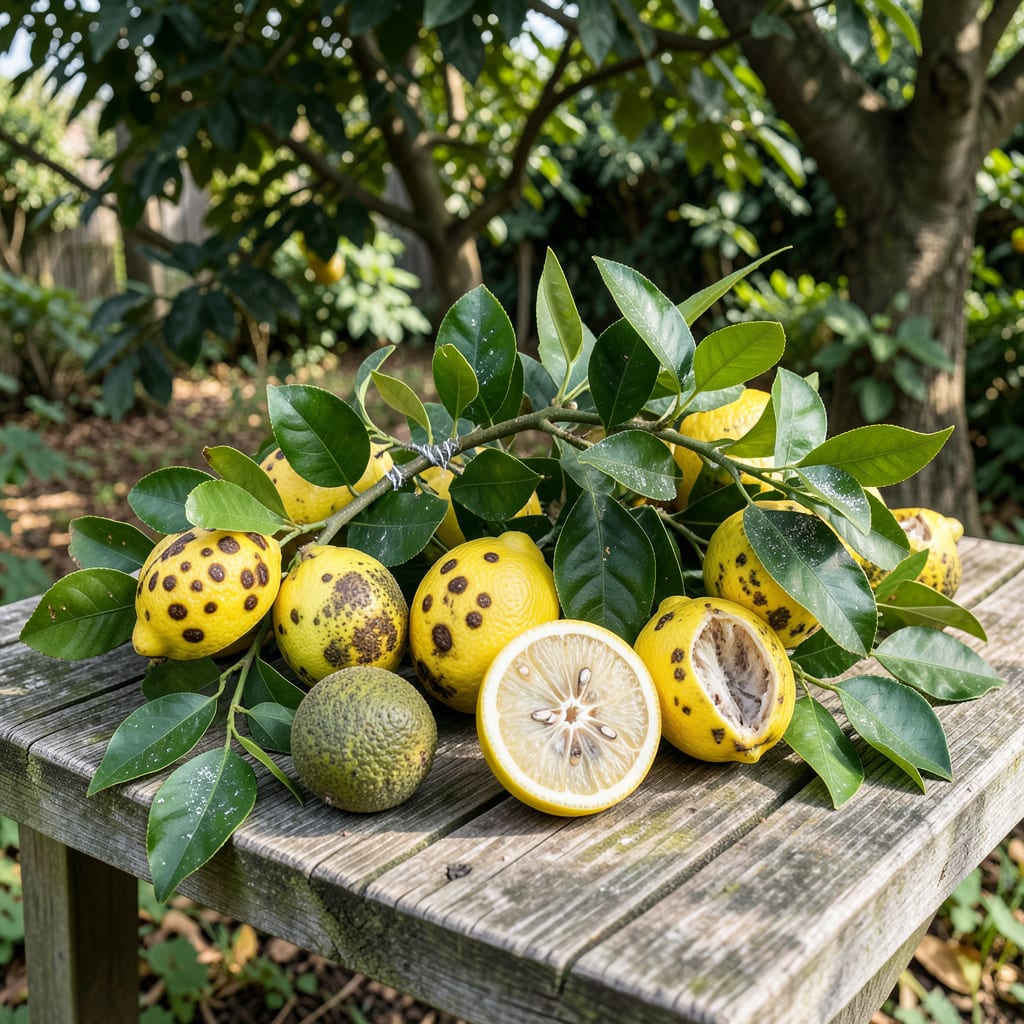
Spotting trouble on your lemon tree before it spreads saves months of frustration. I’ve seen healthy trees decline in weeks when disease goes unchecked, but early action turns most problems around completely.
Brown spots, yellowing leaves, or strange growths aren’t just cosmetic—they’re your tree’s distress signals. Most issues stem from 3 common culprits: fungal infections, nutrient deficiencies, or pest damage that opens the door to disease.
With the right visual guide, you can identify problems at a glance and treat them precisely. No more guessing or wasted time with the wrong solutions. Your tree can bounce back stronger than before.
This works for potted trees, orchards, or backyard specimens. Clear pictures make diagnosis foolproof, even for beginners.
Understanding the root causes of lemon tree diseases helps you prevent and manage them effectively. Below are the primary factors that trigger health issues in these citrus plants.
Lemon trees thrive in warm, well-drained conditions. Excessive rain, poor soil drainage, or extreme temperature swings create stress, weakening the tree’s natural defenses. Root rot (caused by Phytophthora fungi) often develops in waterlogged soil, while cold snaps can lead to frost damage and increased susceptibility to pathogens like Citrus canker.
Pests like aphids, citrus leafminers, and scale insects damage foliage and bark, creating entry points for diseases. For example, aphids spread citrus greening (HLB) by transmitting the Candidatus Liberibacter bacteria. Meanwhile, scale insects excrete honeydew, promoting sooty mold growth, which blocks sunlight and stunts photosynthesis.
Fungi and bacteria exploit weak or wounded trees. Anthracnose (Colletotrichum spp.) thrives in humid conditions, causing dark lesions on fruit. Citrus scab (Elsinoë fawcettii) spreads via water splashes, while Xanthomonas citri bacteria cause citrus canker, marked by corky, raised sores. Poor air circulation and overhead watering accelerate these infections.
Unbalanced soil nutrition weakens lemon trees. Nitrogen deficiency causes yellowing leaves (chlorosis), while zinc or iron shortages lead to interveinal chlorosis. Stressed trees are more vulnerable to diseases like gummosis (Phytophthora infection) or tristeza virus, which spreads through infected grafting tools.
Improper pruning, contaminated tools, or overuse of chemical fertilizers can introduce or exacerbate diseases. Pruning wounds left unsealed invite Botryosphaeria fungi, causing dieback. Additionally, over-fertilization burns roots, reducing the tree’s ability to absorb water and nutrients, making it prone to secondary infections.
Tackling lemon tree diseases early can save your tree and restore its health. Below are targeted solutions for common issues, paired with prevention tips to keep your tree thriving. 🌿
Remove infected branches immediately using sterilized pruning shears to prevent the bacteria from spreading. Burn or dispose of the cuttings in sealed bags—never compost them. Apply a copper-based fungicide to the wounds and surrounding areas. Prevention tip: 💡 Avoid overhead watering, as wet foliage encourages bacterial growth. Always disinfect tools between cuts.
If your lemon tree’s roots are soggy or black, act fast. Trim away rotten roots with clean shears and repot the tree in fresh, well-draining soil. Use a container with drainage holes or amend garden soil with sand and perlite. Prevention tip: 🌧️ Water only when the top 2 inches of soil are dry, and ensure the plant isn’t sitting in a saucer of water.
For aphids, scale, or mites, start with a strong blast of water to dislodge pests. Follow up with neem oil or insecticidal soap, applying in the early morning or late evening. For severe cases, use a horticultural oil or systemic insecticide. Prevention tip: 🎯 Encourage beneficial insects like ladybugs by planting companion flowers like marigolds nearby.
Remove and destroy infected leaves or fruit to stop the spread. Treat the tree with a copper or sulfur-based fungicide, following label instructions. Increase airflow around the tree by thinning dense branches. Prevention tip: ✨ Space trees properly and avoid planting in shaded, damp areas.
Yellowing leaves often signal a lack of nitrogen, iron, or zinc. Use a citrus-specific fertilizer to address general deficiencies. For iron chlorosis (pale leaves with green veins), apply chelated iron to the soil or as a foliar spray. Prevention tip: 📊 Test your soil every 2-3 years and adjust pH (ideal: 6.0–7.0) if needed.
Look for yellowing leaves, dark spots, or unusual growths on branches. Early symptoms often include leaf drop or stunted new growth. Catching these early makes treatment far more effective.
Yes, soggy soil leads to root rot and fungal growth. Always check soil moisture before watering, and ensure good drainage. 2 inches of dry soil at the surface is a good indicator it’s time to water again.
Inspect leaves regularly for aphids or scale, and remove them with a strong water spray or neem oil. Beneficial insects like ladybugs can also help keep pest populations in check naturally.
Prune immediately when you spot diseased wood, using sterilized tools. Disinfect between cuts to avoid spreading pathogens. Always remove at least 6 inches below visible damage.
