
Beautiful Plants For Your Interior
Beautiful Plants For Your Interior
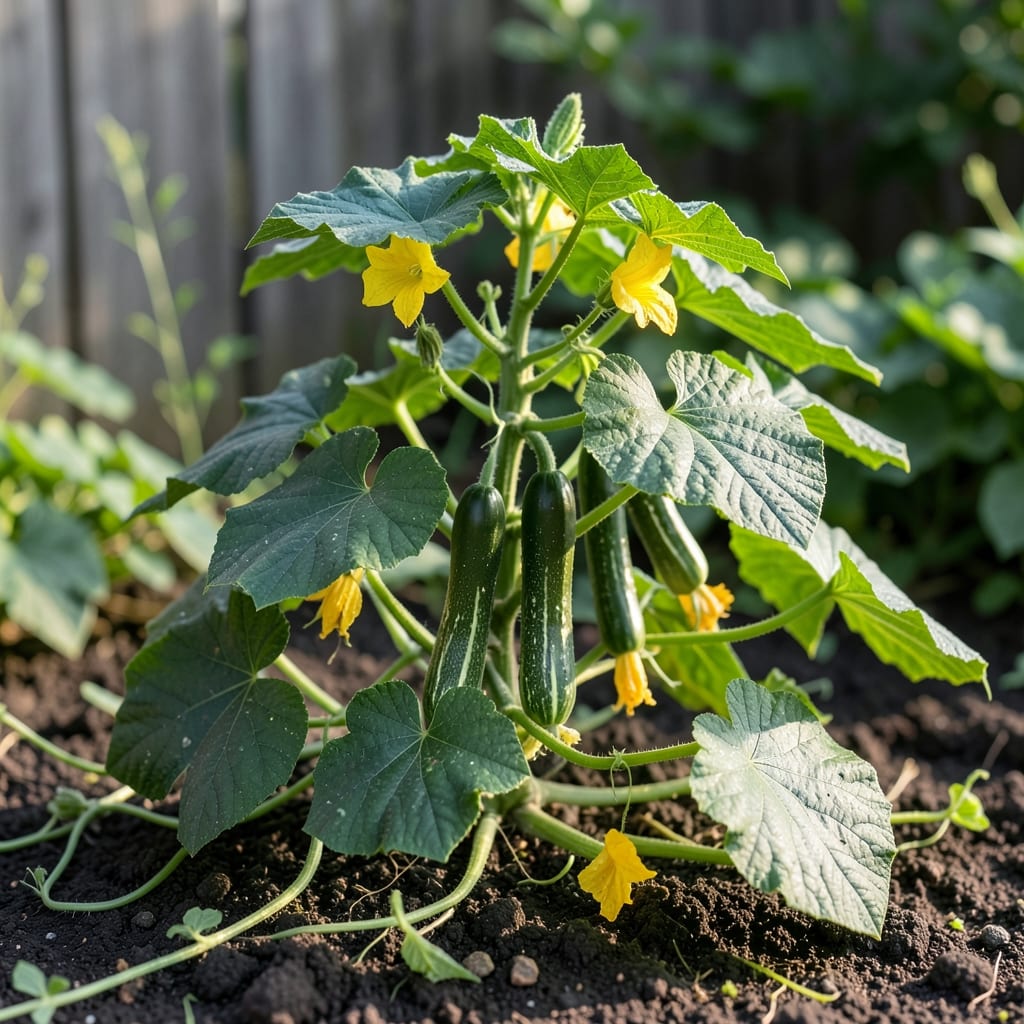
Yellow spots on your lemon cucumber leaves aren’t just unsightly—they’re a warning sign. I learned this the hard way after losing half my crop to powdery mildew one summer.
Early detection is your best defense. With organic fixes like neem oil or baking soda sprays, you can stop most issues before they spread. Here’s how to spot trouble fast.
📚 In This Guide
Small details in early detection can save your entire cucumber crop.
Inspection Timing: Morning light is your best ally for spotting early issues, as the dew makes subtle problems like spider mites or powdery mildew more visible. I’ve found that examining leaves between 7-9 AM, when moisture levels peak, reveals issues that might go unnoticed later in the day.
The Technique That Changed Everything: Older leaves show stress first, so start your inspection there. If you see yellowing between veins in these leaves, it’s often an iron deficiency that’ll spread if untreated. Healthy leaves are deep green and firm—any curling or browning is your cue to act fast.
Application Precision: When spraying organic solutions like the baking soda mix, do it every 5-7 days as directed, but always test on a single leaf first. I learned this the hard way after burning a few plants with an untested neem oil concentration. Early morning applications let leaves dry before the heat of the day sets in.
Prevention Strategy: Spacing plants 12-18 inches apart isn’t just for growth—it’s critical for air circulation, which prevents fungal diseases. I also remove affected leaves immediately and toss them in the trash, not the compost, to stop the spread of pathogens like powdery mildew.
Yellowing leaves often indicate nutrient deficiencies (like nitrogen or magnesium), overwatering, or pests. Check soil moisture and inspect for pests like aphids. Organic fixes include compost tea or neem oil.
Act at the first sign of spots, discoloration, or wilting. Early intervention with organic fungicides (e.g., copper spray) or pruning affected leaves prevents spread. Morning treatments are most effective.
Yes! A baking soda spray (1 tbsp baking soda + 1 tsp dish soap + 1 gallon water) can combat fungal diseases like powdery mildew. Apply weekly as a preventive measure.
Neem oil, insecticidal soap, or companion planting (e.g., marigolds) repel pests naturally. For fungal issues, try sulfur sprays or compost tea to boost plant immunity.
Rotate crops, ensure proper spacing for airflow, and water at the base to avoid wet foliage. Healthy soil with compost and balanced nutrients keeps plants resilient.