
Beautiful Plants For Your Interior
Beautiful Plants For Your Interior
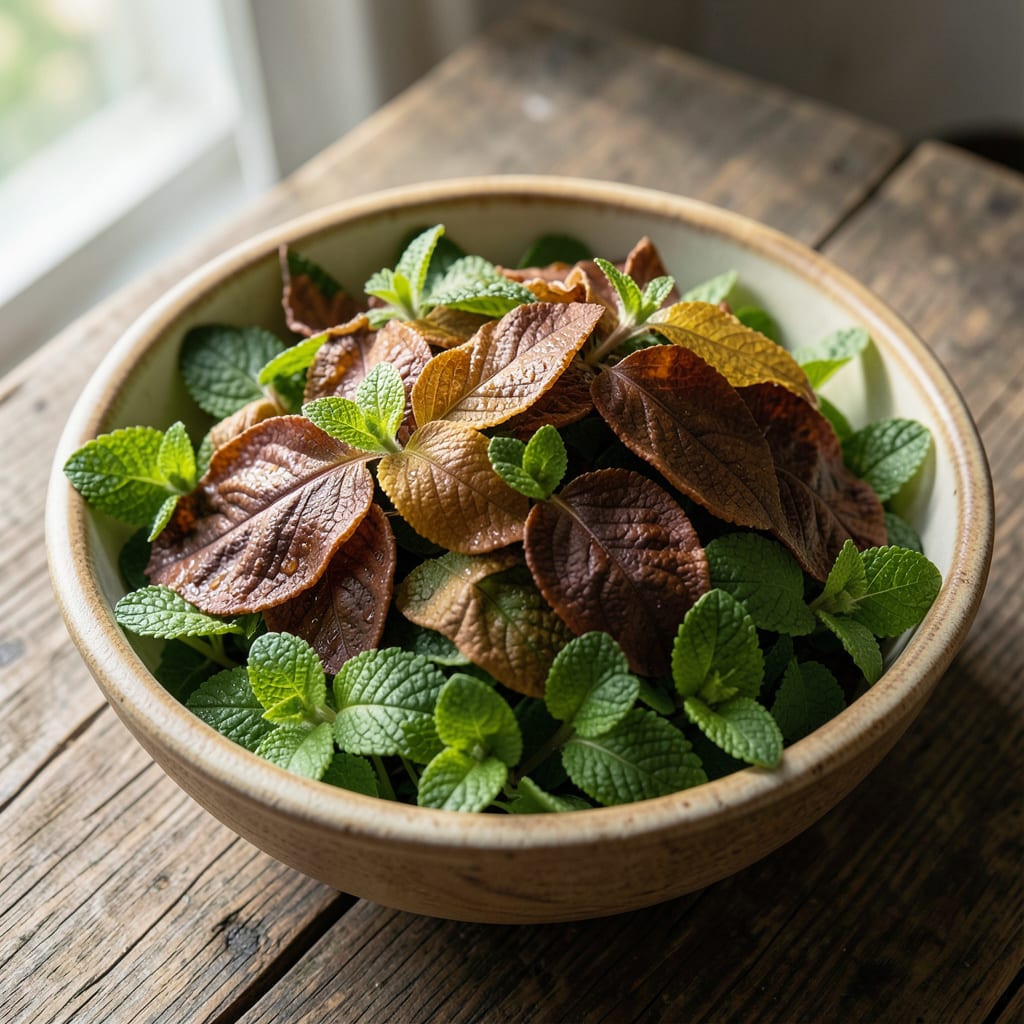
Brown leaves on lemon balm always signal a plant in distress. I’ve seen this happen when the soil stays too dry, when roots sit in water, or when the sun beats down too hard. Each cause leaves its own pattern—crispy edges, yellow halos, or uniform browning.
The fix starts with observation. Check the soil 2 inches down before watering. Look for pests under leaves. Note if the browning spreads from tips inward or appears randomly. Most cases improve within a week of adjusting care.
Lemon balm bounces back fast once conditions stabilize. You’ll see fresh green growth pushing through within days. The key is matching your response to the specific stress, not just throwing solutions at the problem.
This herb thrives on consistent moisture and partial shade. Get those right, and your plant will reward you with vibrant green leaves and that signature citrus scent.
Lemon balm leaves turning brown can signal several underlying issues, often tied to environmental stress or care mistakes. Below are the most common causes, explained with actionable insights.
Overwatering suffocates roots, reducing oxygen uptake and leading to root rot, which manifests as brown, wilting leaves. Conversely, underwatering causes leaf edges to crisp and brown due to dehydration. Lemon balm prefers consistently moist but well-drained soil—check the top inch of soil before watering.
While lemon balm thrives in partial sun, intense afternoon sunlight (especially in hot climates) can scorch leaves, turning them brown and brittle. This is a result of photoinhibition, where the plant’s chlorophyll breaks down under excessive UV radiation. Provide dappled shade or relocate pots to a brighter, indirect light spot.
Lemon balm is hardy in USDA zones 4–9 but struggles with heatwaves above 90°F (32°C) or sudden frost. High temperatures accelerate transpiration, leading to leaf burn, while frost damages cell walls, causing browning. Mulch heavily in summer and cover plants during unexpected cold snaps.
A lack of magnesium or potassium often causes leaf browning, starting at the edges (marginal necrosis). Test soil pH (ideal: 6.0–7.5) and amend with compost or a balanced fertilizer (e.g., 10-10-10) if deficiencies are suspected. Avoid over-fertilizing, which can also burn roots.
Spider mites and aphids sap plant fluids, leading to stippled or browned leaves. Fungal diseases like powdery mildew can also cause browning if left unchecked. Inspect leaf undersides and treat with neem oil or insecticidal soap at first signs. Improve airflow to prevent fungal growth.
If your lemon balm leaves are turning brown, don’t panic—there are clear fixes for each common cause. Here’s how to nurse your plant back to health.
If the soil is dry and crumbly, your plant is thirsty. Water deeply until moisture reaches the roots, then let the top inch of soil dry out before watering again. Prevention tip: Use a moisture meter 💡 to avoid guessing. Mulch around the base to retain moisture.
Brown, mushy leaves often mean too much water. Stop watering immediately and check the roots for rot. Repot in fresh, well-draining soil and ensure the container has drainage holes. Prevention tip: Water only when the top 1-2 inches of soil are dry, and avoid saucers that trap water.
If leaves crisp at the edges, excessive sun may be the culprit. Move potted plants to partial shade or use shade cloth for garden beds. Prevention tip: Lemon balm thrives in 4-6 hours of morning sun 🌤️—avoid harsh afternoon rays.
Brown leaf tips in dry climates signal low humidity. Mist the leaves lightly or place a tray of water near the plant. Prevention tip: Group plants together to create a microclimate with higher humidity.
Inspect leaves for spider mites or aphids. Wipe them off with a damp cloth or spray with neem oil. Prevention tip: Keep the area clean and introduce beneficial insects like ladybugs 🐞 to deter pests naturally.
Yellowing followed by browning may indicate a lack of nutrients. Use a balanced, water-soluble fertilizer diluted to half strength. Prevention tip: Feed lightly every 4-6 weeks during the growing season, but avoid over-fertilizing.
Water when the top 1-2 inches of soil feel dry. Lemon balm prefers consistent moisture but can’t tolerate soggy roots. In hot weather, this may mean watering every 2-3 days.
No, once leaves turn brown they won’t recover. However, new healthy growth will appear once you fix the underlying issue. Trim off brown leaves to help the plant focus energy on new foliage.
Place pots where they get 4-6 hours of morning sun and afternoon shade. East-facing windows or patios work well. Avoid hot, direct afternoon sun which can scorch leaves.
Check leaf patterns: water stress causes uniform browning, while pests create stippled or mottled patterns. Also inspect leaf undersides for tiny bugs or webbing.
