
Beautiful Plants For Your Interior
Beautiful Plants For Your Interior
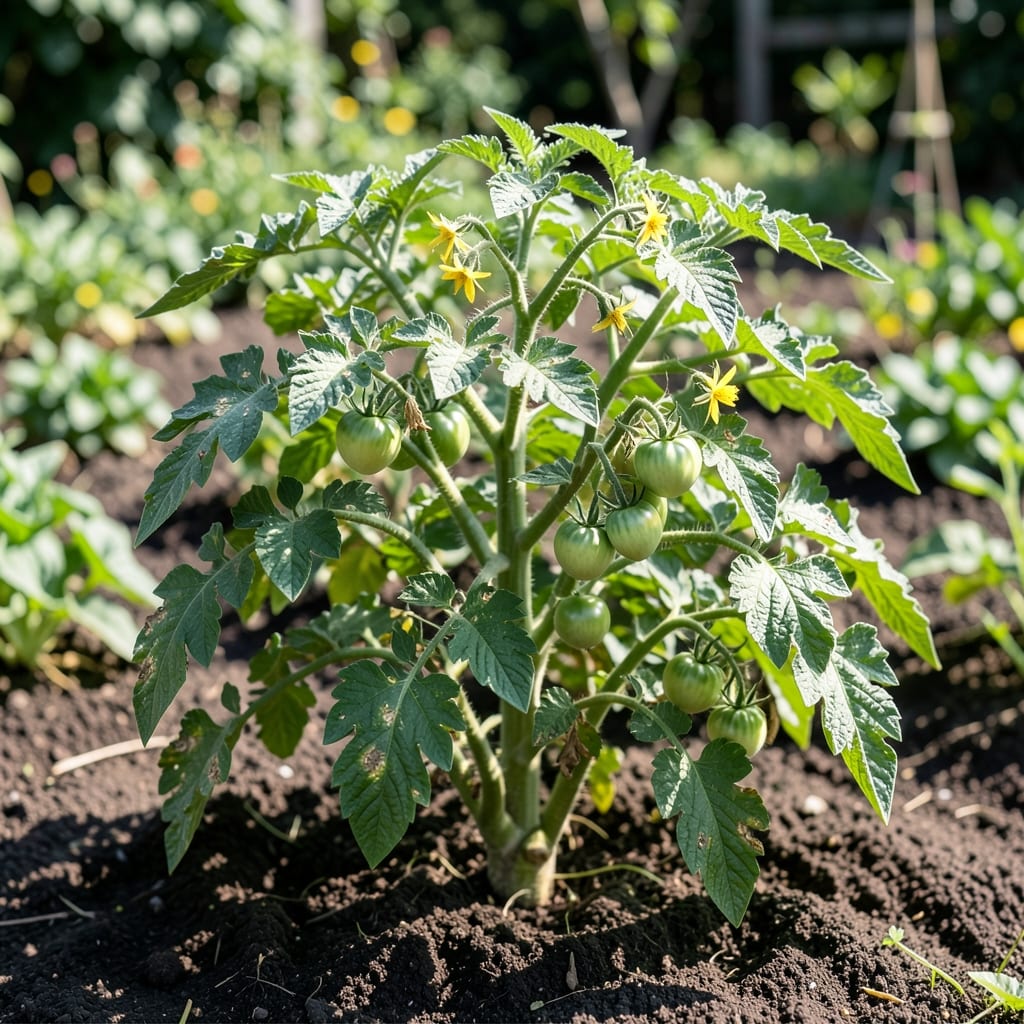
White leaves on your plants are a red flag waving for attention. I’ve seen this happen overnight with my own tomatoes, and the culprit is usually one of three things: pests, disease, or environmental stress.
Powdery mildew leaves a white coating, while spider mites create a stippled look. Too much sun can bleach leaves, and nutrient deficiencies show up as white patches. The fix is often simpler than you think.
You’ll start seeing improvement within a week once you pinpoint the issue. Early action means saving most of your plant, while waiting too long risks losing the whole thing.
Works for houseplants, vegetable gardens, and ornamentals. Here’s how to diagnose and treat it fast.
When your plant’s leaves start losing their green hue, it’s often a sign of stress or illness. Here are the most common reasons why leaves turn white, broken down into clear, actionable causes.
A lack of essential nutrients, particularly magnesium or iron, can lead to chlorosis—a condition where leaves lose chlorophyll and turn pale or white. Magnesium deficiency often starts with yellowing between leaf veins before progressing to white, while iron deficiency typically affects newer growth first. A soil test can confirm deficiencies, and targeted fertilizers can restore balance.
Extreme temperatures, excessive sunlight, or sudden changes in light exposure can bleach leaves. Sun scorch (from too much direct light) or cold shock (from frost or drafts) disrupts chlorophyll production. Move plants to a stable environment with indirect light and consistent temperatures to prevent further damage.
Powdery mildew and downy mildew are common fungal culprits that create white, powdery coatings on leaves. These thrive in humid, poorly ventilated conditions. Improve airflow, reduce humidity, and treat with fungicides (like neem oil or copper-based solutions) to halt the spread.
Sap-sucking pests like aphids, mealybugs, or whiteflies can drain plants of nutrients, leading to stunted growth and white or yellowed leaves. Inspect the undersides of leaves for clusters or sticky residue (honeydew). Use insecticidal soap or introduce beneficial predators like ladybugs to control outbreaks.
Overuse of pesticides, herbicides, or even harsh water (like high-salt tap water) can cause chemical burns, resulting in white or brown patches. Flush the soil with distilled water to remove excess salts, and always follow dosage instructions for treatments.
When your plant’s leaves start turning white, quick action can save its health. Below are targeted fixes for the most common causes, along with prevention tips to keep your greenery thriving.
Mix 1 teaspoon of baking soda and 1 quart of water, then add a few drops of dish soap. Spray this solution on affected leaves weekly until the fungus clears. Prevention tip 💡: Improve air circulation and avoid overhead watering to reduce humidity.
Move your plant to a spot with bright, indirect light or use shade cloth to filter harsh rays. Gradually reintroduce sunlight to avoid shocking the plant. Prevention tip 🌡️: Acclimate indoor plants slowly when transitioning them outdoors.
Test your soil for imbalances. Apply a balanced fertilizer (e.g., 10-10-10) or supplement with magnesium or iron if needed. Prevention tip ✨: Feed plants regularly during the growing season, but avoid over-fertilizing.
Let the soil dry out between waterings and ensure pots have drainage holes. Repot waterlogged plants in fresh, well-draining soil. Prevention tip 🎯: Use a moisture meter to gauge watering needs accurately.
Remove pests like mealybugs or spider mites with a cotton swab dipped in rubbing alcohol. For severe cases, use neem oil or insecticidal soap. Prevention tip 🔥: Inspect plants regularly and isolate new ones for a few weeks to prevent spread.
Act fast, and your plant’s white leaves can often return to their vibrant green!
Powdery mildew looks like white flour dusted on leaves, while pests like mealybugs leave cottony clusters. Check leaf undersides for tiny bugs or sticky residue.
Mild cases may recover with proper treatment, but severely damaged leaves often won’t regreen. Focus on saving healthy growth and preventing new damage.
Yes, over-fertilizing can burn roots and stress plants, leading to pale or white foliage. Always follow package directions and flush soil if needed.
Inspect weekly for early signs of trouble. Pay extra attention to new growth and leaf undersides where problems often start.