
Beautiful Plants For Your Interior
Beautiful Plants For Your Interior
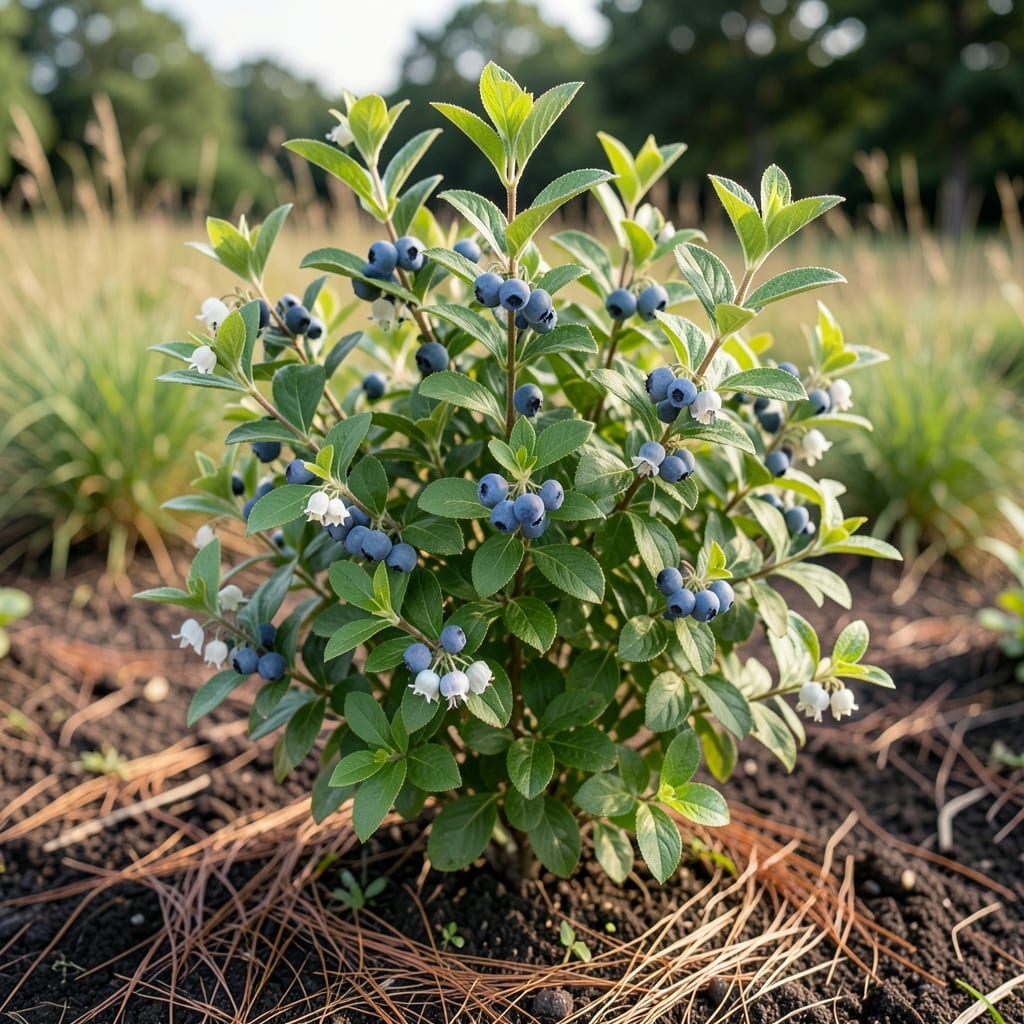
Your blueberry bushes should have vibrant green leaves, not yellow, spotted, or curled ones. I’ve seen firsthand how a small issue can spread fast if left unchecked.
Most problems show up in the foliage first—whether it’s nutrient deficiencies, pests, or disease. Catching them early means healthier plants and better harvests.
📚 In This Guide
These are the exact steps I use to identify and fix leaf issues on my own blueberry bushes.
Start by checking the overall color of the leaves. Yellowing between the veins, called interveinal chlorosis, often signals iron deficiency, especially in alkaline soils. I always look for this pattern first because it’s so distinctive.
If the entire leaf turns yellow, including the veins, nitrogen deficiency is likely the culprit. Purple or reddish tones on the leaves, particularly on the undersides or along the edges, can indicate phosphorus deficiency. Note these details carefully before moving to the next step.
Next, inspect the leaves for any physical abnormalities. Small, dark spots with yellow halos are a classic sign of fungal diseases like leaf spot. I’ve found these often appear after periods of high humidity or overhead watering.
If the leaves have holes or jagged edges, pest damage is probable. Look closely for tiny insects or their eggs on the undersides of the leaves. Leaf margins that are brown and crispy can indicate water stress or salt burn from over-fertilization.
Run your fingers over the leaves to feel for texture. Sticky residue can be a sign of aphid infestation, while a powdery or dusty coating often points to powdery mildew. I recommend doing this check in the morning when dew is still present—it makes the signs easier to spot.
Also, observe the growth pattern of the leaves. Stunted or deformed new growth can indicate viral infection or herbicide drift. If the leaves are smaller than usual or the plant has sparse foliage, it might be struggling with root stress or nutrient imbalance.
Think about the recent growing conditions. Have there been extreme temperature swings, drought, or waterlogging? Blueberries are particularly sensitive to poor drainage, and leaves often show stress first.
Review your care routine. Overwatering can cause root rot, which manifests as wilting leaves despite damp soil. Underwatering, on the other hand, leads to dry, brittle leaves. If you’ve recently fertilized, consider whether the product was suitable for acid-loving plants. Blueberries require soil pH between 4.5 and 5.5.
For nutrient deficiencies, apply a balanced, acid-forming fertilizer according to label instructions. I’ve had success with products specifically formulated for blueberries. For iron deficiency, chelated iron supplements work well.
If pests are the issue, use an appropriate organic or chemical treatment, ensuring you cover the undersides of the leaves. For fungal diseases, improve air circulation and avoid overhead watering. Prune out heavily infected leaves to prevent the spread. Always confirm the diagnosis with a local extension service if you’re unsure—it saves time and plants.
These practical insights will help you accurately identify and address leaf problems on your plants.
Diagnostic Precision: In Step 1, pay special attention to the pattern of discoloration. Interveinal chlorosis (yellowing between veins) is a dead giveaway for iron deficiency, while uniform yellowing suggests nitrogen issues. I’ve found that photographing leaves with a color chart helps track changes over time.
Timing Your Inspection: For Step 3, morning is indeed the best time to check for texture issues, as I mentioned. The dew makes sticky aphid residue or powdery mildew more visible. Don’t skip this step—early detection of these problems can prevent widespread infestation.
Environmental Clues: Step 4’s emphasis on drainage is critical. Blueberries in poorly drained soil often show leaf stress before root problems become obvious. If you notice wilting despite wet soil, suspect root rot immediately and adjust your watering practices.
Treatment Nuance: When applying treatments in Step 5, always start with the least invasive option. For fungal issues, improving air circulation often resolves mild cases without chemicals. I’ve saved several plants just by adjusting watering techniques and pruning affected foliage.
Yellowing leaves often signal nutrient deficiencies (like nitrogen or iron) or overwatering. Test soil pH (ideal: 4.5–5.5) and adjust with acidic fertilizers or sulfur.
Fungal leaf spots (e.g., anthracnose) thrive in wet conditions. Remove infected leaves, improve airflow, and apply copper-based fungicides. Prevent with mulch and avoid overhead watering.
Prune damaged leaves in late winter or early spring before new growth starts. Remove dead or diseased foliage immediately to prevent spread.
Yes! Neem oil treats pests like aphids or mites. Dilute with water, spray in the evening, and avoid bloom periods to protect pollinators. Reapply every 7–10 days.
Brown edges often indicate drought stress, salt injury, or potassium deficiency. Water deeply, check soil moisture, and use balanced fertilizers. Avoid high-salt amendments.