
Beautiful Plants For Your Interior
Beautiful Plants For Your Interior
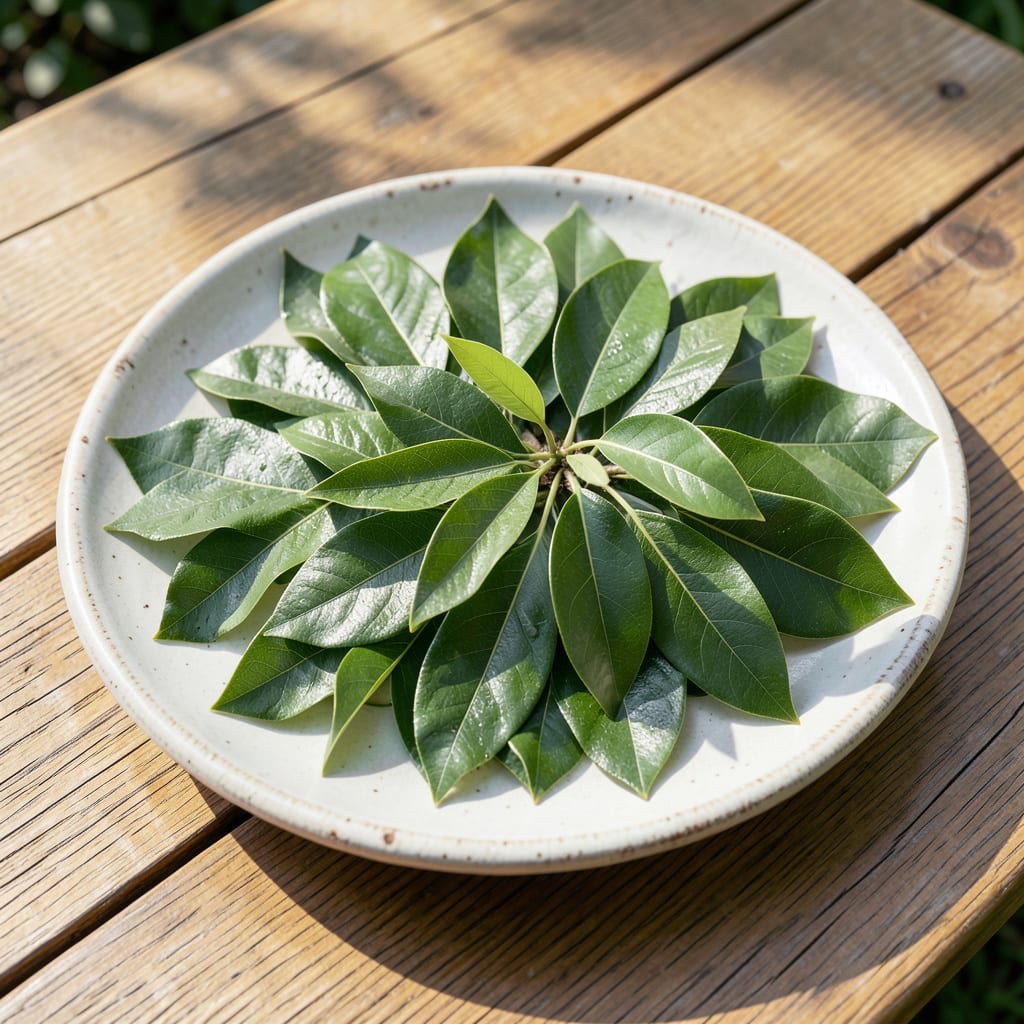
Almond trees caught my eye years ago with their slender, silver-green leaves that shimmer in sunlight. Those leaves—long, serrated, and slightly fuzzy—are the first sign of a healthy tree before any blossoms appear.
They thrive with minimal fuss: well-draining soil, full sun, and occasional pruning to keep air flowing through the canopy. Watch for yellowing leaves in summer—that’s often a sign of overwatering or poor drainage.
📚 In This Guide
Here’s how to recognize healthy foliage and maintain your tree’s vigor through proper observation and care.
Almond tree leaves are lance-shaped with finely serrated margins, typically 3-5 inches long and 1-1.5 inches wide. The base is slightly asymmetric, a key distinguishing feature from similar species. I always check the leaf arrangement first—alternate rather than opposite, which helps rule out lookalike plants.
Observe the color: healthy leaves display a deep green upper surface with a paler, slightly hairy underside. The texture should be smooth but not glossy. Any deviation in shape or color often signals nutrient deficiencies or pest issues before other symptoms appear.
The pinnate venation is prominent, with a central midrib and 10-15 pairs of lateral veins branching outward. These veins are slightly raised on the underside, creating a subtle ridge you can feel by running your fingertip along the leaf.
Note how leaves attach to stems via 1/4 to 1/2 inch petioles. I’ve found that damaged petioles often indicate physical stress from wind or improper handling. The point where the petiole meets the stem (the leaf axil) is where new growth emerges, so keep this area protected.
In spring, new leaves emerge with a bronze or reddish tint before maturing to green. This color change occurs over 2-3 weeks and is completely normal. By summer, the foliage should be uniformly green and dense, providing maximum photosynthesis for nut production.
Autumn brings a spectacular transformation: leaves turn golden-yellow before dropping. This change happens rapidly, often within 10-14 days once triggered by cooler temperatures. I mark the calendar when I first notice the color shift—it’s nature’s signal to prepare for dormancy.
Healthy leaves should feel slightly leathery but flexible. If they’re brittle or curled at the edges, your tree likely needs deep watering—almonds have extensive root systems that require moisture 12-18 inches deep in the soil.
Check for yellowing between veins (interveinal chlorosis), which often indicates iron deficiency. I’ve seen this corrected within 2-3 weeks of applying chelated iron. Also watch for brown spots or holes—these usually point to fungal issues or pest damage requiring immediate attention.
Remove any leaves showing more than 30% damage to prevent disease spread. Use clean, sharp tools and cut at the base of the petiole without damaging the stem. I do this in early morning when plants are most turgid, which helps them recover faster.
After leaf drop in autumn, inspect the ground for any remaining foliage. These should be removed and destroyed (not composted) if you noticed any disease issues during the growing season. This simple step prevents overwintering pathogens from reinfecting your tree the following spring.
Here’s what I’ve learned from years of observing and caring for these trees.
The Shape Factor: When examining leaves in Step 1, pay special attention to that slightly asymmetric base—it’s the most reliable way to distinguish almond leaves from lookalikes like plum or peach. I’ve misidentified leaves before by overlooking this subtle but critical detail.
Vein Pattern Insight: In Step 2, the pinnate venation with 10-15 pairs of lateral veins isn’t just decorative. Those raised veins on the underside help channel water during rain, so damaged veins can actually affect your tree’s water distribution efficiency.
Seasonal Timing: That bronze-to-green transition in Step 3 happens faster in warmer climates. If your leaves stay reddish beyond 3 weeks, it might indicate a nutrient deficiency rather than normal maturation. I track this annually to monitor tree health.
Pruning Precision: For Step 5, that 30% damage threshold isn’t arbitrary. Removing leaves with less damage often does more harm than good by creating unnecessary wounds. Trust me on this—I learned it after accidentally stressing a tree by over-pruning.
Almond tree leaves are lance-shaped, 3-5 inches long, with serrated edges and a pointed tip. They’re bright green, slightly fuzzy, and grow alternately on the branches. In fall, they turn yellow before dropping.
Leaves typically yellow in late summer or early fall as the tree prepares for dormancy. However, premature yellowing may signal water stress, nutrient deficiency, or disease. Check soil moisture and health if it happens off-season.
No, almond leaves are not edible and may contain trace amounts of cyanide (like the pits). They’re safe for composting but avoid consuming them. Stick to the nuts for a tasty, safe snack!
Curling leaves often indicate stress from drought, overwatering, or pests like aphids. Inspect the tree for bugs, adjust watering, and ensure good drainage. Prune affected areas if needed.
Keep the tree healthy with consistent watering (deep but infrequent), well-draining soil, and balanced fertilizer. Prune dead or diseased leaves promptly to prevent spread. Full sun (6+ hours) keeps foliage vibrant!
