
Beautiful Plants For Your Interior
Beautiful Plants For Your Interior
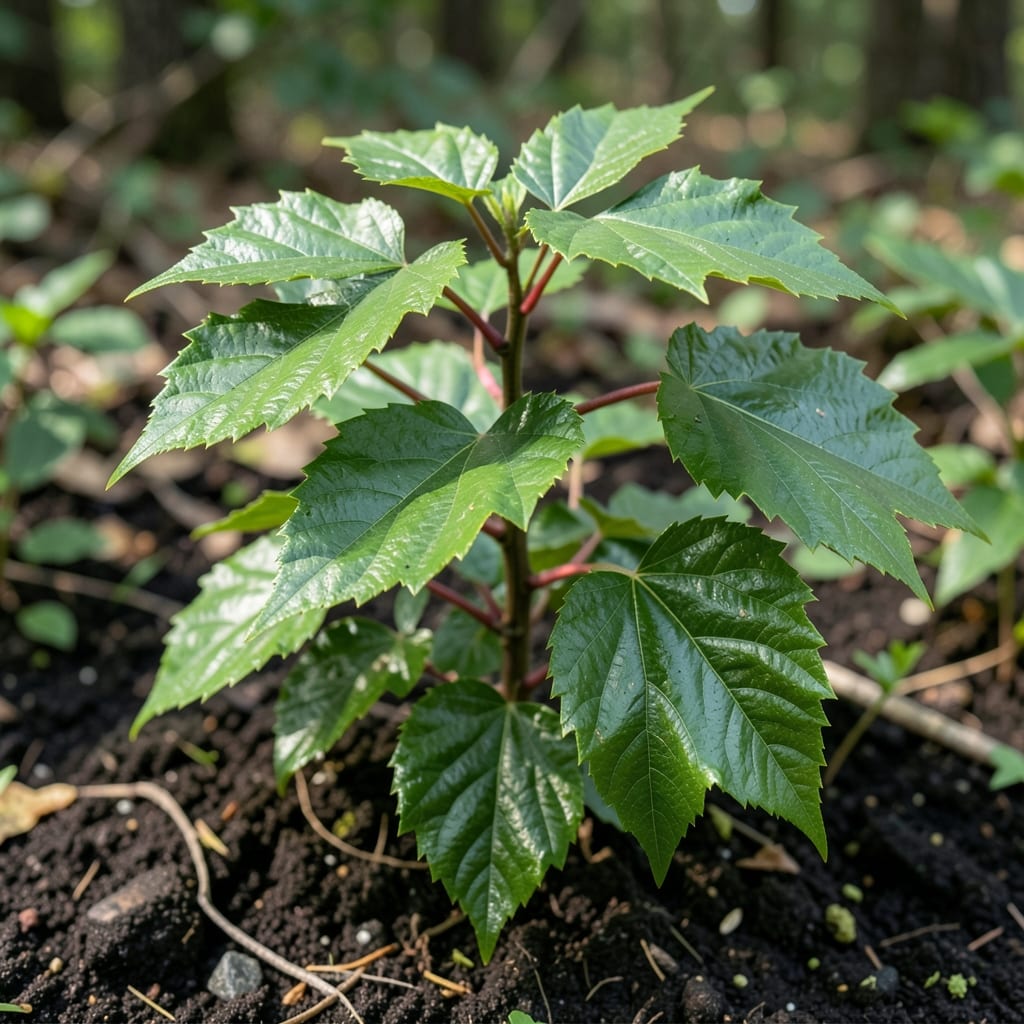
Leaves of three mean poison ivy—avoid it. Leaves of five belong to Virginia creeper, a harmless vine. Both grow in similar habitats, so check leaf count and texture carefully.
I’ve learned the hard way that poison ivy’s three leaflets often have a glossy sheen and jagged edges, while Virginia creeper’s five leaflets are more uniform with a slightly rough texture. The old saying exists for a reason—misidentification can lead to a painful rash. 🌿 Always examine the vine’s growth pattern too, as poison ivy tends to climb with hairy tendrils.
💡 In This Article
Poison ivy’s three leaflets grow on a single stem, with the middle leaf often having a longer stem than the two side ones. The edges can be smooth or toothed, but always look for the characteristic glossy surface that shimmers in sunlight.
This vine climbs aggressively, often wrapping around trees with hairy, rope-like tendrils that feel rough to the touch. 🌿
Virginia creeper, with its five leaflets arranged palmately, has a more uniform appearance. Each leaflet is typically 2-6 inches long with coarsely serrated edges, resembling a hand with outstretched fingers. The texture is slightly rougher than poison ivy, and the vine climbs using small adhesive pads rather than tendrils.
The color provides another clue. Poison ivy leaves turn bright red in spring, deep green in summer, and fiery red or orange in fall. Virginia creeper shows a similar color progression but with a more muted, blue-green hue during summer.
Both plants produce berries—poison ivy’s are white and waxy, while Virginia creeper’s are dark blue to black.
Examine the growth pattern closely. Poison ivy often grows as a shrub at ground level before climbing, while Virginia creeper is a true vine that rarely forms a bush. The stems of poison ivy may appear fuzzy, whereas Virginia creeper stems are smooth.
This distinction becomes especially important when these plants grow together in wooded areas.
For absolute certainty, look at the leaf attachment. Poison ivy leaflets alternate along the vine, while Virginia creeper’s leaflets all connect at a single point, like fingers on a hand. This palmate arrangement is the most reliable identifier, even from a distance.
The three-leaflet pattern is poison ivy’s most reliable identifier. This distinctive arrangement helps distinguish it from harmless plants. The middle leaflet often has a longer stem than the side ones.
Yes, Virginia creeper is harmless to most people. Unlike poison ivy, its leaves won’t cause a rash. However, some may experience mild irritation, so gloves are still recommended.
Both thrive in similar wooded environments, often intertwined. Always check leaf count and arrangement carefully to avoid misidentification.
Wear protective clothing and use a trash bag turned inside out over your hand. Pull from the base to avoid breaking vines. Never burn them—smoke can carry irritants.
A typical rash lasts 1-3 weeks. Severe cases may require medical treatment. Wash exposed skin immediately to reduce duration and severity.