
Beautiful Plants For Your Interior
Beautiful Plants For Your Interior
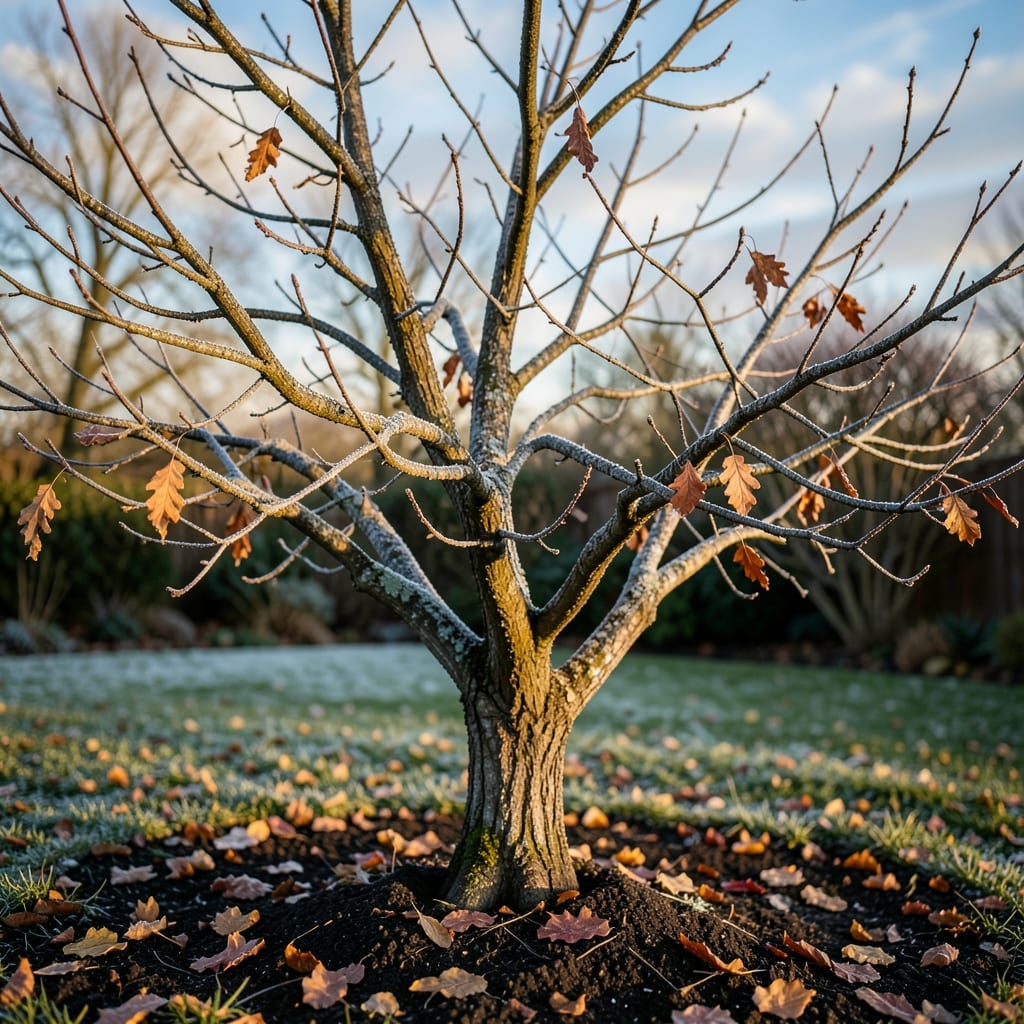
Deciduous trees shed leaves in winter to conserve water and energy, while evergreens retain needles to photosynthesize year-round in colder climates.
This seasonal change happens because deciduous species enter a dormant state to survive freezing temps and limited sunlight. 🌟 Evergreens, with their waxy needles, can photosynthesize even in cold weather, though at a slower rate. I’ve noticed that trees like oaks and maples drop leaves to prevent water loss, while pines and spruces keep their foliage to maximize energy production.
💡 In This Article
Deciduous trees like maples and oaks trigger a process called abscission in autumn. Cells at the base of each leaf stem form a protective layer that severs the connection, allowing leaves to fall. This prevents water loss through transpiration, which would be deadly in freezing conditions when soil water becomes inaccessible.
Evergreens like pines and spruces use a different strategy. Their needle-like leaves have a thick, waxy coating called a cuticle that reduces water loss by up to 50% compared to broad leaves.
The needles also contain antifreeze proteins that prevent ice crystal formation inside cells, allowing photosynthesis to continue at temperatures as low as 14°F (-10°C). ✨
The shape of evergreen needles helps too. Their small surface area minimizes exposure to cold winds that could dry them out. Additionally, the dark green color absorbs more sunlight, which can raise the needle temperature by 10-15°F above ambient air temperature on sunny winter days. 🔥
Another key difference is energy storage. Deciduous trees store starches in their roots during winter dormancy, while evergreens maintain some photosynthetic activity to produce sugars year-round. This allows evergreens to grow faster than deciduous trees when spring arrives, as they don’t need to regrow an entire canopy of leaves.
Water availability plays a crucial role in these adaptations. In winter, about 90% of the water in soil can be frozen and unavailable to plants. Deciduous trees avoid this problem by going dormant, while evergreens have evolved to extract water from partially frozen soil through their extensive root systems. 💫
Deciduous trees shed leaves to conserve water and energy during cold months. This prevents deadly water loss through transpiration when soil water is frozen.
Their waxy, needle-like leaves reduce water loss by up to 50%. Antifreeze proteins in needles prevent ice damage, allowing photosynthesis at 14°F (-10°C).
Apply 2-3 inches of mulch, water young trees monthly, and prune deciduous trees in late winter. Protect thin-barked trees with trunk wraps.
It risks severe water loss and frost damage. Leaves left on during winter often die and fall off anyway, but the tree wastes precious energy.
Yes! They don’t need to regrow a full canopy, so they can start growing immediately when temperatures rise.