
Beautiful Plants For Your Interior
Beautiful Plants For Your Interior
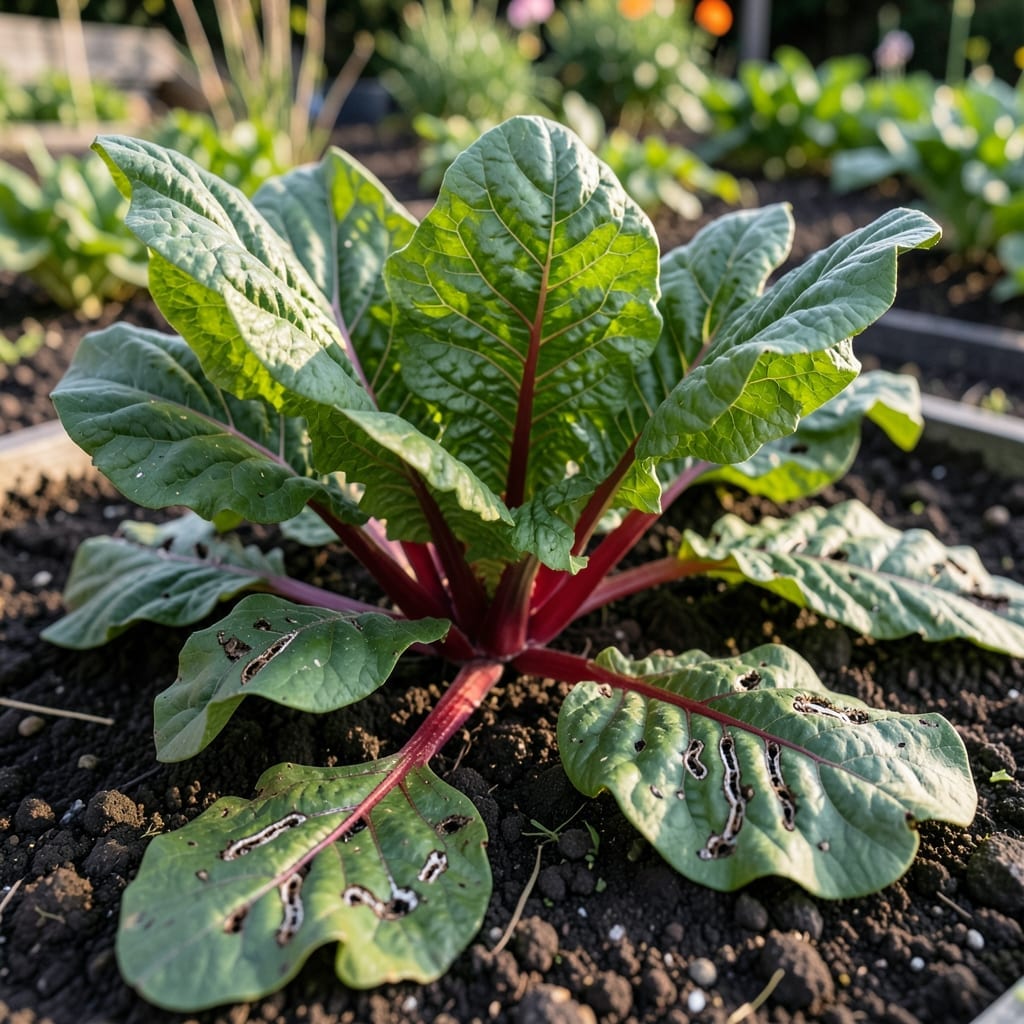
Tiny tunnels in your chard leaves mean trouble. I spotted my first leaf miner damage last spring and nearly panicked—until I figured out the organic solutions that actually work.
These pests lay eggs that hatch into larvae, which burrow through leaves creating those telltale trails. The good news? You can stop them without harsh chemicals, using methods that protect your plants and the beneficial insects in your garden.
With consistent monitoring and a few simple treatments, your chard will bounce back with vibrant, hole-free leaves. The best part? These techniques prevent future infestations too.
Works for home gardens, raised beds, or container chard. Here’s how to reclaim your harvest.
Leaf miners target chard for specific biological and environmental reasons. Understanding these causes helps you disrupt their life cycle and protect your crops. Below are the primary triggers behind infestations.
Leaf miners in chard are typically the larvae of Liriomyza flies or Phytomyza moths. Adult females lay eggs on the undersides of leaves, where the larvae hatch and burrow into the tissue. This behavior is driven by the plant’s soft, nutrient-rich mesophyll layer, which provides ideal nourishment for developing larvae.
Dense plantings or poor growing conditions (e.g., drought, nutrient deficiencies) weaken chard, making it more susceptible. Stressed plants emit chemical signals that attract leaf miner females. Ensure proper spacing (12–18 inches apart) and consistent watering to reduce vulnerability.
Leaf miners thrive in warm temperatures (70–85°F) and low humidity. These conditions accelerate their life cycle, leading to rapid population growth. In cooler or wetter climates, their activity slows, giving plants a natural reprieve.
Parasitic wasps (e.g., Diglyphus isaea) and birds are natural enemies of leaf miners. If your garden lacks biodiversity or uses broad-spectrum pesticides, these predators disappear, allowing leaf miner populations to explode. Introduce beneficial insects or plant companion flowers (like alyssum) to restore balance.
Leaf miners can wreak havoc on your chard, but these targeted fixes will help you reclaim your garden. Address each issue directly and pair solutions with prevention for long-term success.
Start by inspecting your chard plants closely. If you spot serpentine trails or blisters on the leaves, those are leaf miner tunnels. Prune and destroy the affected leaves immediately—do not compost them, as this can spread the pests. Use sharp scissors or pruning shears, and sanitize them afterward with rubbing alcohol to prevent contamination.
Prevent adult leaf miners from laying eggs by covering your chard with floating row covers. Secure the edges with soil or weights to keep pests out. This physical barrier works best when applied early in the season before the first signs of infestation appear.
Pro tip: 💡 Remove covers during flowering if you want to allow pollinators access, but monitor plants closely afterward.
Encourage beneficial insects like parasitic wasps and ground beetles, which feed on leaf miner larvae. Plant companion flowers such as dill, alyssum, or marigolds near your chard to attract these allies. Avoid broad-spectrum pesticides, as they can harm these helpful predators too.
For an organic treatment, spray neem oil on the leaves, focusing on the undersides where eggs are often laid. Mix according to package instructions and apply in the early morning or late evening to avoid harming bees. Reapply every 5–7 days or after rain for best results.
Prevent future infestations by rotating your crops annually. Avoid planting chard or related crops (like beets or spinach) in the same spot year after year. This disrupts the leaf miners’ life cycle and reduces their population naturally.
Prevention tip: ✨ Solarize garden soil in late summer by covering it with clear plastic for 4–6 weeks to kill overwintering pupae.
They appear as winding, white or brown trails on the leaf surface. These are the paths larvae create as they feed inside the leaf tissue.
Rarely, but severe infestations can weaken plants and reduce yields. Young plants are most vulnerable. Remove damaged leaves promptly to prevent spread.
Yes, the leaves are safe to eat. Simply trim away the affected areas before cooking. The larvae don’t harm the edible parts.
Inspect leaves weekly, especially undersides where eggs are laid. Early detection makes treatment easier and more effective.