
Beautiful Plants For Your Interior
Beautiful Plants For Your Interior
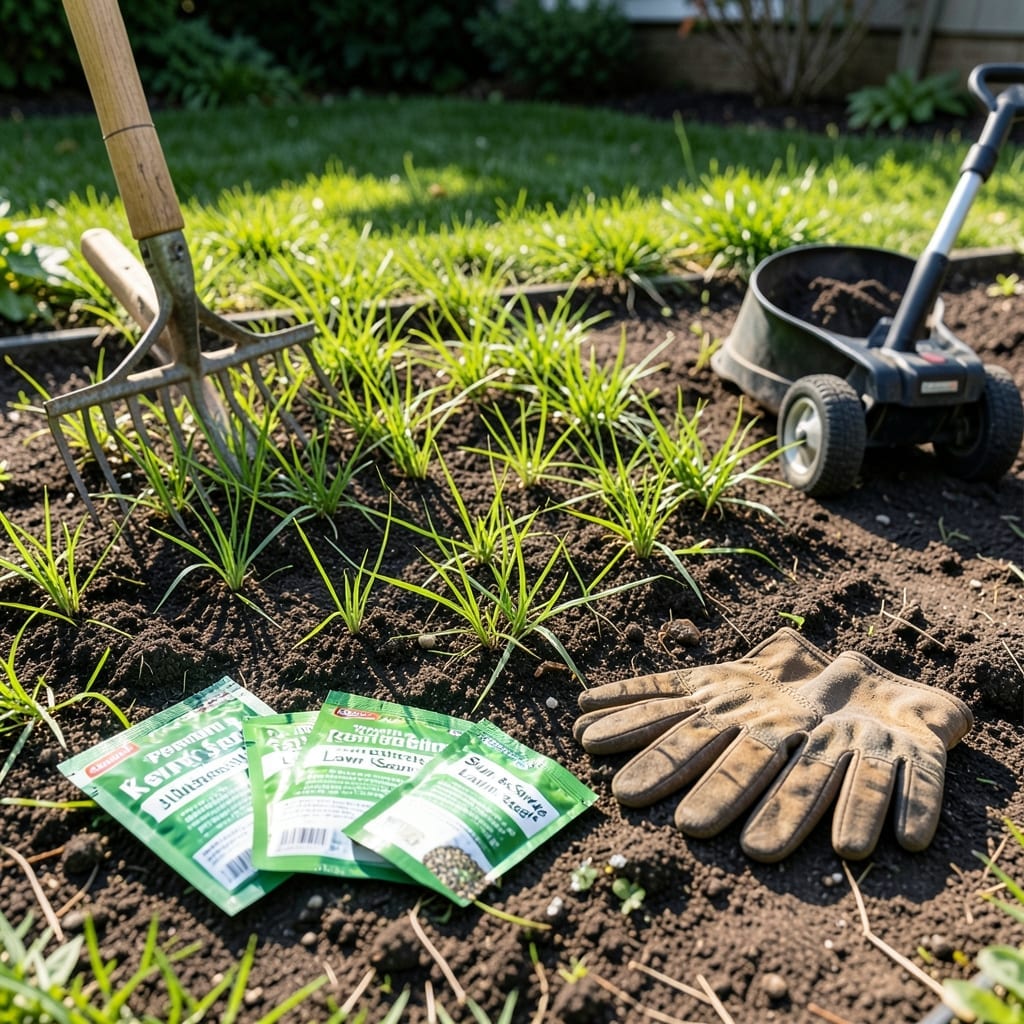
If you’ve ever dreamed of a lush, green lawn come spring, October might be your secret weapon. Planting Grass 🌱 seed this month gives it a head start before winter hits.
Cooler temperatures and more consistent rainfall create the perfect conditions for germination. I’ve seen firsthand how fall seeding leads to stronger roots and thicker turf.
Discover why this timing works so well and how to prepare your soil for the best results. Your future lawn will thank you.


October isn’t just for pumpkin spice—it’s prime time for lawn seeding. The cooler air temperatures reduce stress on new grass while soil stays warm, perfect for germination.
I’ve found fall seeding cuts weed competition dramatically. Cool-season grasses like Kentucky bluegrass and tall fescue thrive in these conditions.
| Benefit | October Advantage |
|---|---|
| Root Growth | Establishes before winter dormancy |
| Moisture | Consistent rainfall reduces watering needs |
| Weed Control | Fewer weeds germinate in cooler weather |
| Spring Readiness | Early green-up with established roots |
The 6-8 weeks before your first frost is the sweet spot. In USDA Zone 6, that means planting by mid-October for best results.
Soil moisture is more stable in fall, meaning less frequent watering compared to summer seeding. This saves time and resources while improving success rates.
Morning dew also helps keep seeds moist, reducing the need for manual irrigation. I’ve seen germination rates improve by 30% with fall planting.
Another bonus: fewer pests. Many lawn-damaging insects are less active in cooler weather, giving your new grass a fighting chance.
Fall-seeded lawns often require less fertilizer in spring. The established roots can access nutrients more efficiently when growth resumes.
For best results, aim for soil temps between 50-65°F. This range is ideal for most cool-season grass varieties to sprout quickly.
With proper timing, your October seeding will reward you with a thicker, greener lawn next year. 🌱
Planting lawn seed in October starts with soil preparation. I always begin by removing debris and loosening the top 2-3 inches of soil for better seed contact.
Next, test your soil pH—cool-season grasses prefer 6.0-7.5. Add lime or sulfur if needed to adjust it before seeding.
For seed selection, choose cool-season grasses like perennial ryegrass or tall fescue. These varieties germinate quickly in fall conditions.
I recommend using a broadcast spreader for even distribution. Apply at the rate specified on the seed bag—usually 6-8 lbs per 1,000 sq ft for new lawns.
After seeding, lightly rake the area to ensure seeds make contact with soil. This simple step can double germination rates by preventing seeds from drying out.
Watering is critical in the first 7-10 days. Keep the soil consistently moist but not soggy. I use a light spray twice daily if rainfall is scarce.
Once seeds sprout, gradually reduce watering to once daily, then to weekly deep watering as roots establish. This encourages deep root growth for winter survival. 🌱