
Beautiful Plants For Your Interior
Beautiful Plants For Your Interior
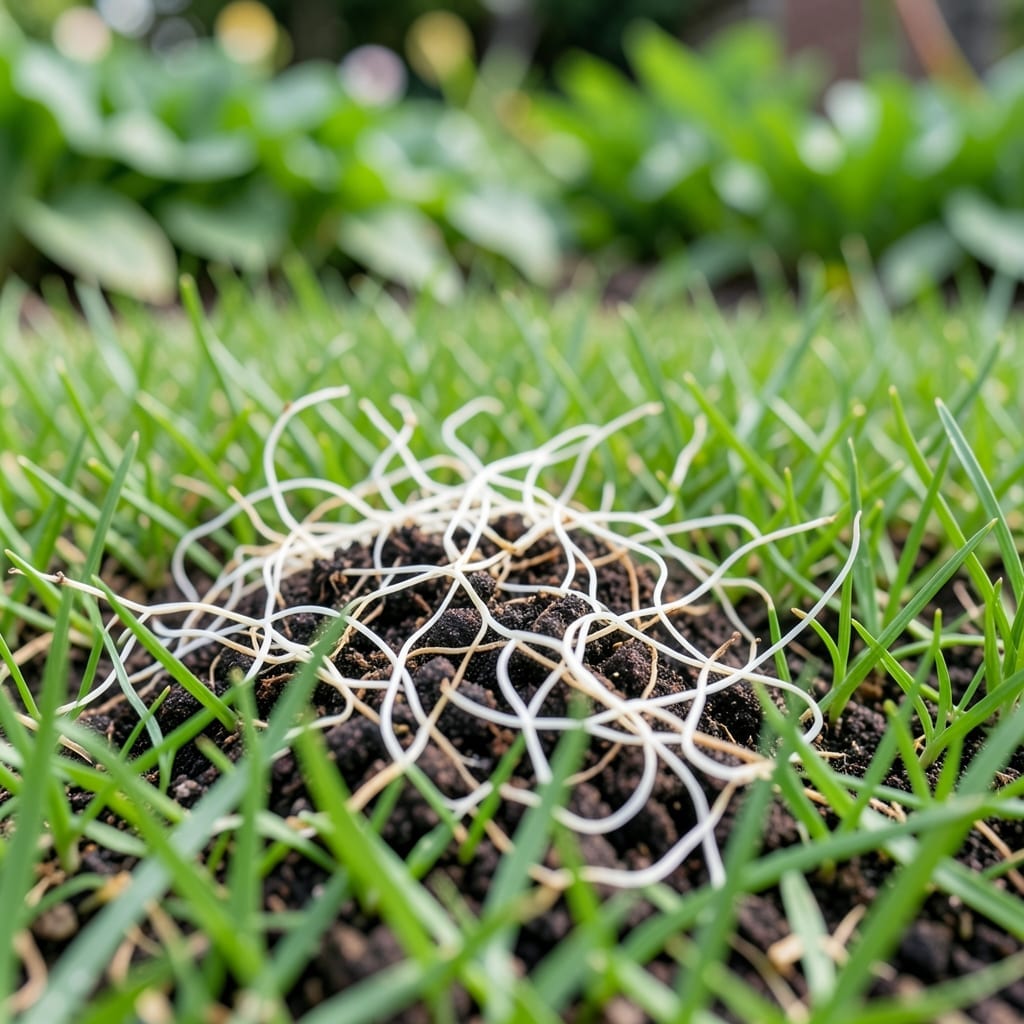
Those little white grubs ruining your lawn don’t stand a chance. I’ve battled them for years, and the natural solution works better than any chemical I’ve tried.
Beneficial nematodes hunt down grubs in the soil, multiplying as they go. They’re invisible soldiers that target only pests, leaving your grass, kids, and pets completely safe. One application in early summer can break the grub life cycle.
You’ll see results within 2-3 weeks as the nematodes establish. The lawn stays green, roots grow stronger, and you avoid the brown patches that signal grub damage.
Works in any climate and won’t harm earthworms or beneficial insects. Here’s how to apply them right.
Understanding why lawn grubs appear is the first step toward natural, effective control. These pests don’t just show up randomly—they thrive under specific conditions. Below are the primary causes, explained with actionable insights.
Grubs, especially Japanese beetle and June beetle larvae, love moist, compacted soil. Overwatering creates an ideal breeding ground, while poor drainage prevents the soil from drying out. Fix: Aerate your lawn annually and adjust irrigation to 1–1.5 inches per week (including rainfall).
A thick layer of thatch (more than ½ inch) traps moisture and organic matter, shielding grub eggs and larvae from predators like birds and beneficial nematodes. Fix: Dethatch in early summer or fall using a rake or dethatching machine.
Most grub species lay eggs in late summer (July–August), when soil temperatures hover between 60–75°F. High humidity accelerates hatching. Fix: Monitor weather patterns and apply beneficial nematodes preventatively before peak egg-laying season.
Grubs are the larval stage of beetles (e.g., Japanese, Masked Chafer). Adults lay eggs in sunny, well-irrigated lawns. Fix: Reduce outdoor lighting at night (attracts beetles) and encourage natural predators like toads and ground beetles.
Chemical fertilizers can disrupt soil ecology, killing off natural grub predators (e.g., nematodes, fungi). Fix: Switch to organic fertilizers like compost or fish emulsion to support a balanced soil microbiome.
Tackling lawn grubs naturally is simpler than you think. Here’s how to address the issue based on the root cause, with easy, eco-friendly fixes.
If you spot brown patches or spongy turf, act fast. Apply beneficial nematodes (like Heterorhabditis bacteriophora) to the soil. These microscopic worms hunt and kill grubs within 48 hours. Water the lawn before and after application to help nematodes move through the soil.
Prevention tip: 💡 Aerate your lawn in early spring to improve soil health and deter future infestations.
Keep grubs from taking over by maintaining a healthy lawn. Mow high (3–4 inches) to encourage deep roots and shade the soil, making it less inviting for adult beetles to lay eggs. Overseed with grub-resistant grasses like tall fescue or endophyte-enhanced varieties.
Prevention tip: 🌡️ Apply neem oil or milky spore powder in late summer to disrupt the grub life cycle naturally.
Strengthen your lawn’s defenses with compost or organic fertilizer. Healthy soil fosters beneficial microbes that compete with grubs for food. A top dressing of compost in early fall can improve soil structure and reduce grub appeal.
Prevention tip: ✨ Rotate natural treatments yearly to prevent grubs from developing resistance.
With these steps, your lawn can bounce back—naturally and effectively.
Apply beneficial nematodes in early summer or late spring before grubs hatch. This timing ensures they target young larvae. Evening applications work best to avoid UV damage.
Beneficial nematodes start working within 48 hours, but visible lawn improvement takes 2-3 weeks. Patience is key—natural methods build long-term soil health.
No, beneficial nematodes target only grubs and won’t affect earthworms, bees, or ladybugs. They’re a safe, eco-friendly choice for organic lawn care.
Yes! All natural options like nematodes, neem oil, and milky spore are pet-safe once watered in. Keep pets off the lawn for 1 hour after application.