
Beautiful Plants For Your Interior
Beautiful Plants For Your Interior
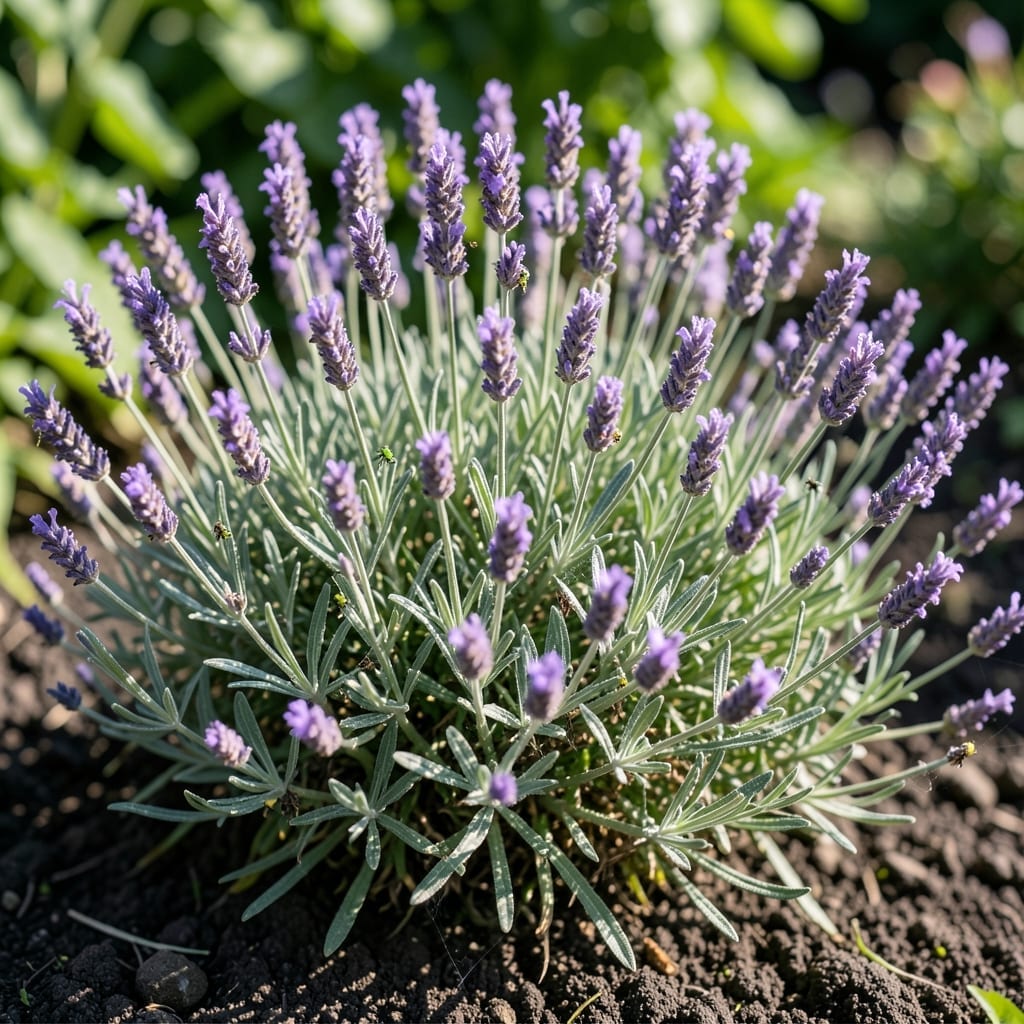
Silver leaves turning spotty or sticky? I’ve battled every lavender pest from aphids to spider mites, and the solutions are simpler than you’d think.
Most damage comes from three usual suspects: tiny aphids that cluster on new growth, whiteflies that flutter up when disturbed, and spider mites that weave fine webs under leaves. Left unchecked, they sap a plant’s strength and spread fast.
You’ll start with inspection—check undersides of leaves and stem joints weekly. Catching problems early means you can fix them with a blast of water or a wipe of soapy cloth before reaching for stronger measures.
With the right approach, your lavender stays vibrant and fragrant all season, and you avoid the chemical route entirely.
Lavender’s aromatic allure and hardy reputation don’t make it immune to pests. Understanding the root causes of infestations can help you prevent them before they take hold. Below are the primary reasons why pests target lavender plants, along with the science behind each.
Overwatering or planting in poorly draining soil creates a stress response in lavender, weakening its natural defenses. Lavender thrives in dry, well-aerated conditions, and soggy roots invite fungal growth and root-feeding pests like nematodes. Similarly, excessive nitrogen in fertilizer promotes lush, tender foliage—an open buffet for aphids and spider mites.
Dense plantings or overcrowded garden beds restrict airflow, leading to high humidity pockets around the foliage. This environment is ideal for whiteflies, mealybugs, and fungal diseases, which thrive in stagnant, moist air. Pruning and proper spacing are critical to disrupting these conditions.
Lavender under stress from nutrient deficiencies (e.g., low phosphorus or potassium) or physical damage (e.g., pruning wounds) emits chemical signals that attract pests. For example, stressed plants release volatile organic compounds (VOCs) that act like a dinner bell for insects like thrips and scale.
Warm, dry spells followed by sudden humidity spikes can trigger outbreaks of spider mites, which proliferate in hot, arid conditions. Conversely, cool, wet weather favors slugs and snails, which target young lavender shoots. Monitoring local climate patterns helps preempt these pest surges.
Tackling pests on your lavender doesn’t have to mean harsh chemicals. Here’s how to address common invaders while keeping your plants—and the environment—healthy.
Use a strong spray of water to dislodge aphids from stems and leaves. For stubborn clusters, mix 1 tablespoon of neem oil or insecticidal soap with a quart of water and spray every 3–5 days until gone. Prevention tip: 💡 Encourage ladybugs and lacewings—natural predators—by planting companion flowers like marigolds or yarrow nearby.
These tiny pests thrive in dry conditions. Mist your lavender regularly or place a tray of water near the plant to raise humidity. For active infestations, wipe leaves with a damp cloth dipped in soapy water (1 tsp mild soap per liter). Prevention tip: ✨ Avoid overhead watering to reduce dry dusty conditions they love.
Create a copper tape barrier around pots or garden beds—slugs and snails dislike the electric charge it emits. Alternatively, set out beer traps (bury a shallow dish filled with beer; they’ll drown overnight). Prevention tip: 🎯 Clear debris and mulch where they hide, and water in the morning so soil dries by nightfall.
Hang yellow sticky traps near plants to catch adults. For larvae, apply horticultural oil to the undersides of leaves. Prevention tip: 🌡️ Avoid over-fertilizing with nitrogen, which attracts whiteflies to lavender’s tender new growth.
Always inspect new plants before bringing them near your lavender, and prune damaged growth to prevent pests from spreading. A little vigilance goes a long way!
Check for sticky residue on leaves or tiny webs under them. Yellowing or curled foliage often signals aphids or mites at work.
English lavender tends to resist pests better than Spanish or French types. However, all varieties attract insects if stressed by poor drainage or overwatering.
Yes! A mix of 1 tsp dish soap in 1 liter water works for aphids. Spritz leaves thoroughly, focusing on undersides where pests hide.
Weekly checks are ideal, especially during warm months. Pay extra attention after rain, which can trigger outbreaks.