
Beautiful Plants For Your Interior
Beautiful Plants For Your Interior
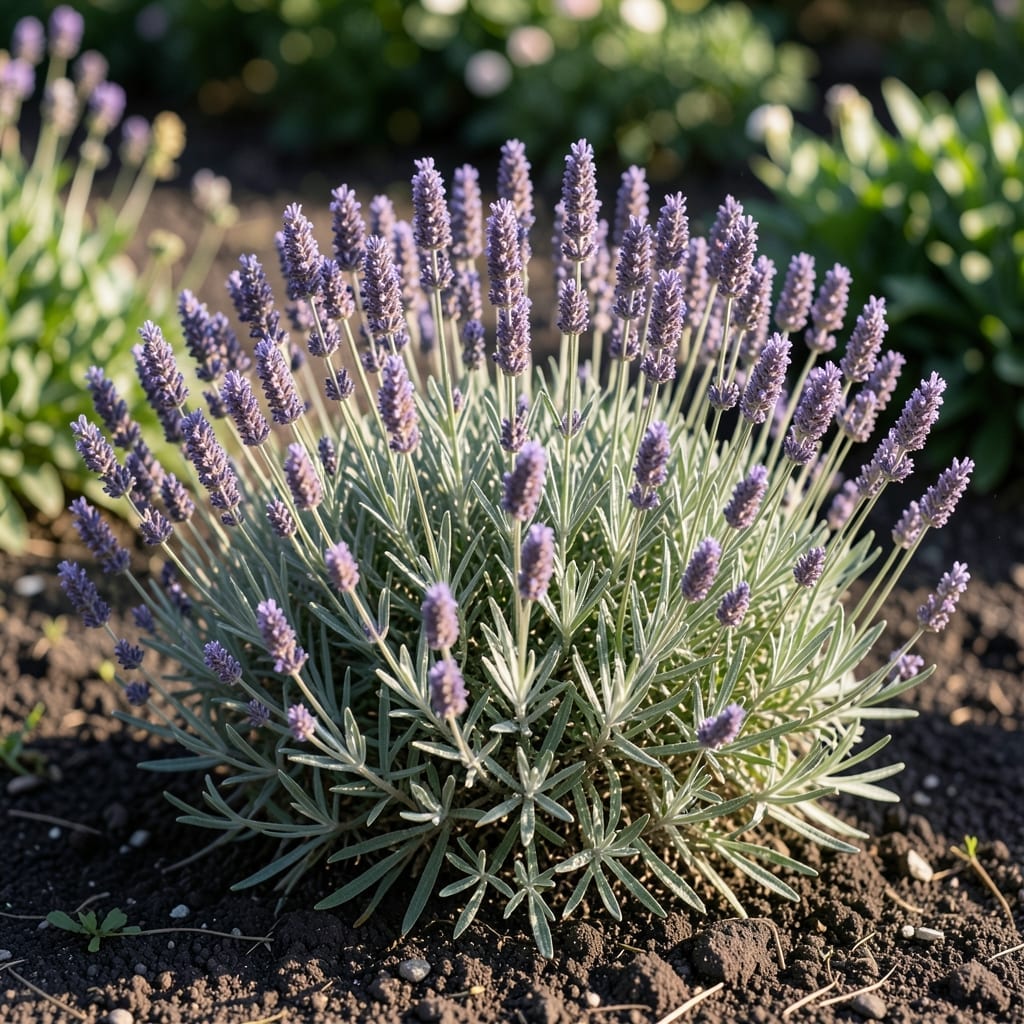
There’s something magical about watching 🟣 Lavender transform from a tiny seed into a vibrant, fragrant plant. It’s a journey that rewards patience and care at every turn.
Each growth stage brings unique needs and milestones, from the first delicate sprouts to the lush blooms of summer. Understanding these phases ensures your lavender thrives in any garden.
I’ll walk you through what to expect and how to nurture your plant at each step. Let’s dive into the most important details to help your lavender flourish.

Watching lavender plants progress through their growth stages is fascinating. Each phase has distinct visual changes and care needs that ensure healthy development.
From the first tiny sprouts to mature flowering bushes, understanding these stages helps you provide the best conditions for your plants to thrive. ☀️
| Growth Stage | Timeline | Key Characteristics | Care Focus |
|---|---|---|---|
| Germination | 7-28 days | Tiny green shoots appear | Keep soil moist, warm |
| Seedling | 2-8 weeks | First true leaves form | Gradual sun exposure |
| Vegetative | 2-4 months | Bushy growth, no flowers | Prune for shape |
| Flowering | 4-6 months | Purple buds form, open | Reduce watering |
| Maturity | 1-2 years | Full size, regular blooms | Annual pruning |
The germination stage begins when you plant lavender seeds. Keep the soil consistently moist but not soggy, and maintain a temperature around 70°F for best results.
Once seedlings emerge, they’ll develop their first true leaves. At this point, I gradually introduce them to more sunlight to strengthen the stems and prepare them for outdoor conditions. 🌱
The vegetative stage is where your lavender really starts to take shape. You’ll notice rapid growth as the plant develops a bushy form. This is the perfect time to start pruning to encourage a full, compact shape.
When flower buds appear, you’ve entered the flowering stage. Lavender needs less water now to prevent mold and encourage strong, fragrant blooms. Be patient—this stage can take several weeks.
Finally, mature lavender plants will bloom regularly each year. With proper care, including annual pruning and well-draining soil, your lavender can thrive for many growing seasons. ✂️
Each stage requires slightly different care, but the effort is worth it. By the time your lavender reaches maturity, you’ll have a beautiful, fragrant addition to your garden that attracts pollinators and delights the senses.
Remember, lavender is drought-tolerant once established, so avoid overwatering. This plant thrives on a bit of neglect, making it perfect for busy gardeners. 🌿
Nurturing lavender plants through each growth stage requires specific care. I’ve found that consistent attention to watering, soil, and pruning makes all the difference in achieving healthy, fragrant blooms. ☀️
From germination to maturity, each phase demands unique conditions. Understanding these needs helps prevent common mistakes and encourages strong, vibrant growth throughout the season.
During the germination stage, I always ensure the soil stays lightly moist and warm. A seedling heat mat can help maintain the ideal temperature if you’re starting seeds indoors early. 🌱
As seedlings develop, I gradually expose them to more sunlight. This process, called hardening off, is crucial to prepare them for outdoor conditions and prevent transplant shock.
The vegetative stage is when lavender grows rapidly. I recommend light pruning during this phase to shape the plant and encourage dense, bushy growth that will support abundant blooms later.
When flower buds appear, I reduce watering frequency. Lavender prefers drier conditions at this stage, which helps prevent fungal issues and promotes stronger, more fragrant flowers.
Once mature, regular pruning keeps lavender healthy and compact. I prune mine right after flowering to maintain its shape and encourage new growth for the next season. ✂️