
Beautiful Plants For Your Interior
Beautiful Plants For Your Interior
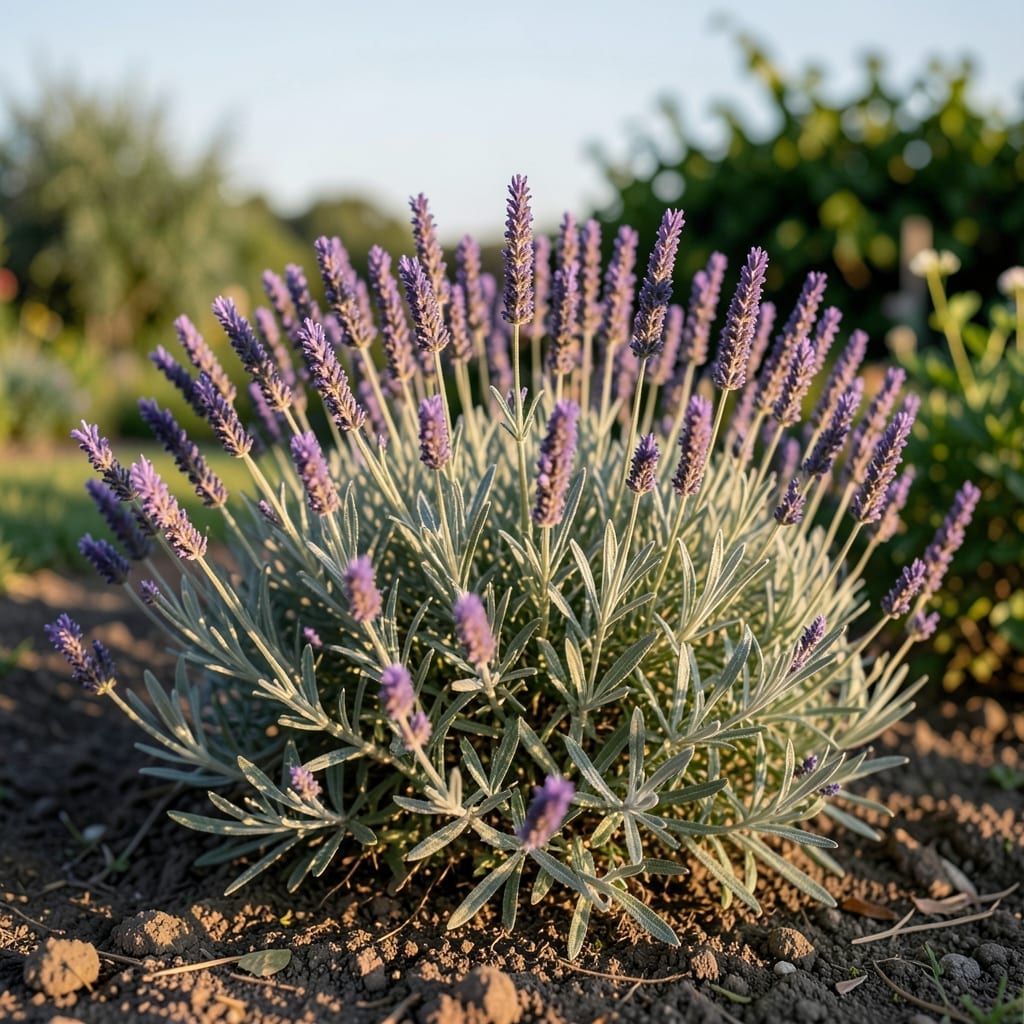
I used to toss lavender leaves after harvesting the flowers—what a waste. These fragrant greens pack just as much punch as the blooms, and they’re easy to use in ways that boost your garden.
Crush them for pest-repelling sachets, brew them into soil-boosting tea, or layer them as mulch to deter weeds. They even dry beautifully for year-round aromatic uses.
📚 In This Guide
These practical insights will help you maximize the quality and longevity of your creations.
The Harvest Window: Step 1 works best when you pick in the early morning after dew evaporates but before midday heat. I learned the hard way that harvesting during peak sun exposure results in wilted leaves and diminished essential oils. The vibrant green color is your best indicator of freshness.
Temperature Control: In Step 2, that 60-75°F range is critical for preserving color and potency. Here’s what nobody tells you—direct sunlight at any temperature will degrade the oils faster than humidity ever could. A dark pantry with a small fan creates ideal airflow.
Drying Patience: The 1-2 week drying time in Step 2 can’t be rushed. Confession: I tried speeding this up with a dehydrator once and ended up with brown, scentless leaves. Daily stirring prevents mold and ensures even moisture removal.
Infusion Timing: For Step 4, the 2-4 week infusion period allows the oil to fully absorb the lavender’s properties. Shaking daily distributes the leaves and prevents clumping. I’ve found that olive oil picks up the scent faster than almond oil, but both work beautifully.
Yes! Fresh lavender leaves can be used for teas, cooking, or sachets. Rinse them gently and pat dry. For best flavor and aroma, harvest in the morning when oils are most concentrated.
Hang small bunches upside down in a dark, dry place for 2-3 weeks. Alternatively, spread leaves on a tray in a well-ventilated area. Store dried leaves in airtight containers away from sunlight.
Lavender is generally safe, but some people may experience allergic reactions or skin irritation. Avoid ingesting large amounts, as it can cause nausea or headaches. Always do a patch test before topical use.
Yes! Crush fresh leaves and rub them on your skin or place them in sachets around your home. The strong fragrance helps deter mosquitoes naturally.