
Beautiful Plants For Your Interior
Beautiful Plants For Your Interior
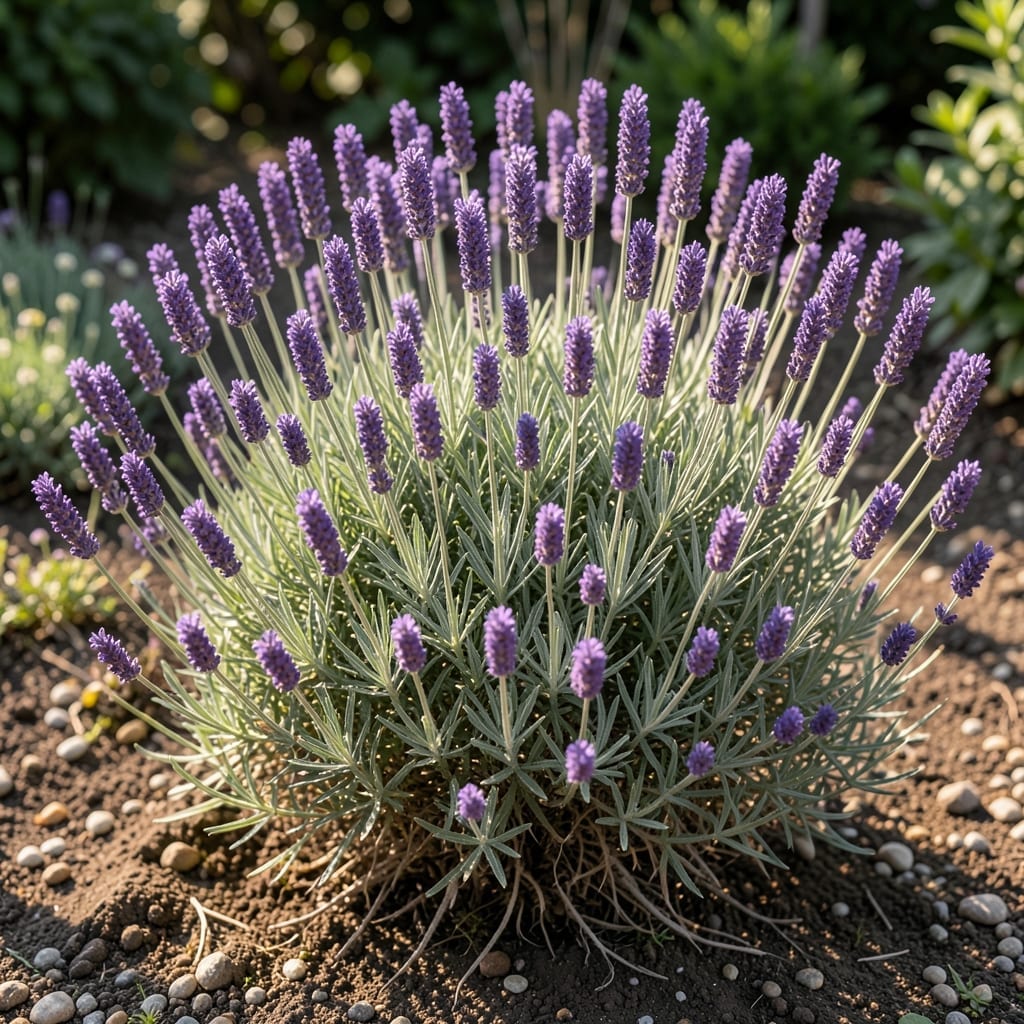
Drooping lavender leaves had me stumped last summer. Turns out, the problem usually starts with water—either too much or too little.
I learned the hard way that lavender hates soggy roots. Overwatering causes yellowing leaves and a sad, wilted look, while underwatering makes them crispy and dry. The fix is simpler than you think.
Adjust your routine: water deeply but only when the top 2-3 inches of soil are dry. In 2-3 days, you’ll see those leaves perking back up.
Prevention is even easier. Well-draining soil and a sunny spot keep lavender happy for the long haul.
Lavender leaves drooping is often a sign of stress, and several common causes can trigger this issue. Understanding these factors helps you address the problem effectively.
Lavender thrives in dry, well-drained soil. Overwatering or heavy, compacted soil suffocates the roots, leading to root rot and poor oxygen uptake. Yellowing leaves often accompany drooping in these cases. Ensure your lavender is planted in sandy or gravelly soil and that pots have drainage holes.
While lavender is drought-tolerant, prolonged dry spells can cause leaves to wilt. High temperatures accelerate moisture loss, especially in containers. Check soil moisture 1-2 inches deep—if it’s bone-dry, it’s time to water. Mulching with pebbles or sand helps retain soil moisture without waterlogging.
If your lavender has been in the same pot for years, its roots may be circled and restricted. This limits water and nutrient absorption, causing stress and drooping. Repotting into a larger container or pruning the roots can revive the plant.
Lavender prefers low-fertility soil, but extreme nutrient deficiencies (like magnesium or nitrogen) can lead to weak growth and drooping. A light application of compost or a balanced fertilizer (used sparingly) can help—avoid over-fertilizing, as it can harm the plant.
Infestations like spider mites or aphids sap the plant’s energy, while fungal diseases (e.g., Phytophthora root rot) attack the roots. Inspect leaves for webbing, spots, or discoloration. Treat pests with neem oil and improve airflow to prevent fungal issues.
Drooping lavender leaves often signal an easy-to-fix issue. Below are practical solutions for each common cause, plus prevention tips to keep your plant thriving.
Fix: Stop watering immediately and let the soil dry out completely. If the soil is waterlogged, repot the lavender in fresh, well-draining soil. Trim any black or mushy roots to prevent rot from spreading.
Prevention: Water only when the top 1-2 inches of soil are dry. Use a pot with drainage holes, and avoid saucers that trap excess water. 💡 Pro tip: Lavender thrives on neglect—when in doubt, water less!
Fix: Give your lavender a deep soak until water runs out the drainage holes. If the soil has pulled away from the pot edges, submerge the pot in water for 10 minutes to rehydrate the root ball.
Prevention: Check soil moisture weekly by sticking your finger an inch into the soil. Water deeply but infrequently—every 2-3 weeks is often enough for established plants.
Fix: Move potted lavender to a sunnier spot (6+ hours of direct sunlight daily). If temperatures are extreme, provide afternoon shade in scorching heat or bring pots indoors during cold snaps.
Prevention: Acclimate lavender gradually to new conditions. Avoid placing it near heat sources or drafty windows. Mulch lightly with gravel to regulate soil temperature.
Fix: Repot in a sandy, well-draining mix (add perlite or coarse sand to regular potting soil). Avoid heavy or clay soils. If nutrient-deficient, use a light application of low-nitrogen fertilizer (like a 5-10-10 blend) once in spring.
Prevention: Refresh the top layer of soil annually. Lavender prefers lean soil—over-fertilizing causes leggy growth and weak stems. ✨ Pro tip: Skip compost; it retains too much moisture.
Fix: Spray leaves with neem oil or insecticidal soap to treat aphids or spider mites. For fungal issues (like root rot), prune affected areas and improve airflow around the plant.
Prevention: Inspect leaves regularly for pests. Space plants apart for good ventilation, and avoid overhead watering to keep foliage dry.
Water only when the top 2-3 inches of soil are dry. Deep soak until water drains, then wait 2-3 weeks before watering again. Overwatering is the most common cause of drooping!
Yes, extreme heat can stress lavender. Provide afternoon shade in scorching weather, especially for potted plants. Ensure it still gets 6+ hours of sunlight daily for optimal health.
Use a sandy, well-draining mix with perlite or coarse sand. Avoid heavy or clay soils that retain moisture. This mimics lavender’s native Mediterranean conditions.
Avoid fertilizing stressed plants. Lavender prefers low-fertility soil. If needed, use a light, low-nitrogen fertilizer once in spring—never in summer or fall. Over-fertilizing worsens the problem.