
Beautiful Plants For Your Interior
Beautiful Plants For Your Interior
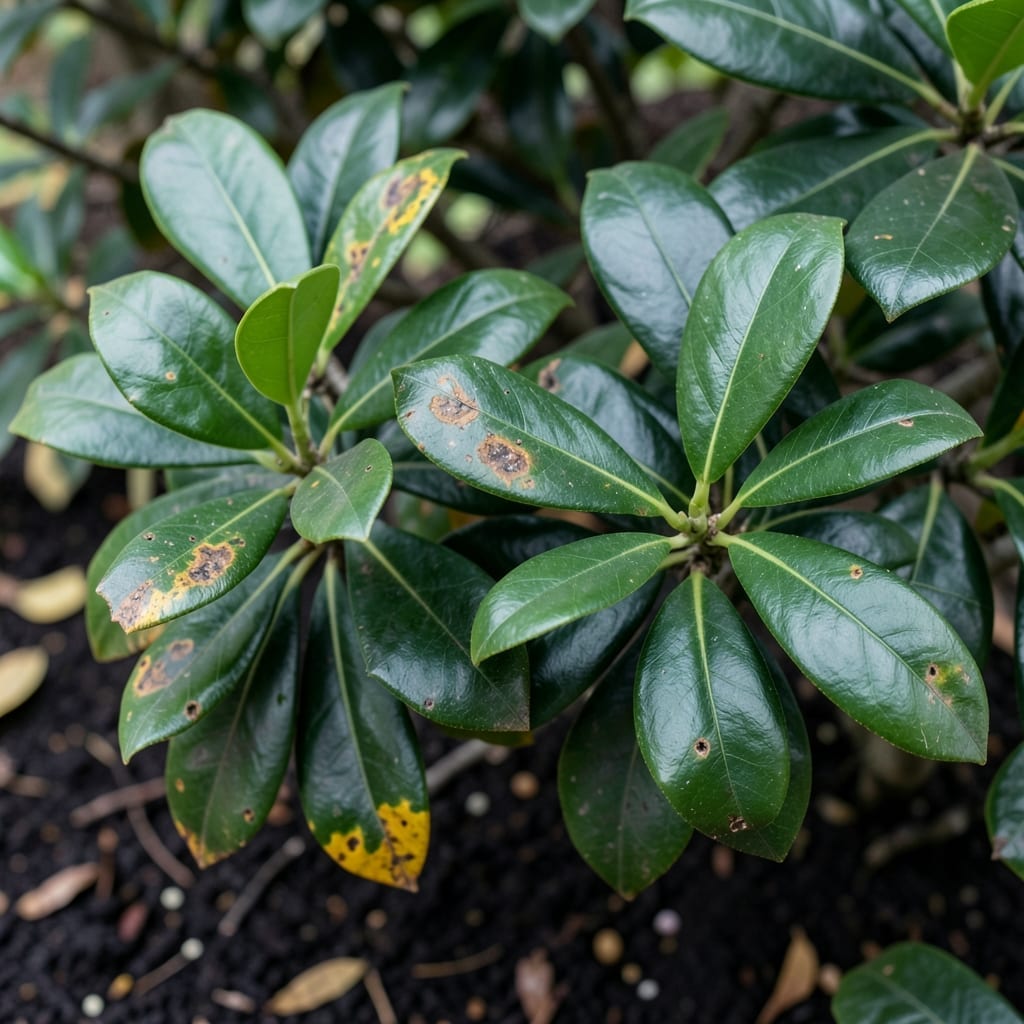
Spotted something off on your laurel shrubs? I’ve been there—yellowing leaves, strange spots, or sudden wilting can turn a thriving plant into a mystery overnight. Early identification makes all the difference.
This visual guide helps you match what you’re seeing to common laurel diseases before they spread. From powdery mildew to root rot, each issue has telltale signs that are easier to spot than you’d think.
With the right knowledge, you’ll catch problems in their early stages and take action fast. No more guessing games or wasted time on the wrong treatments.
Works for cherry laurel, bay laurel, and other varieties. Here’s what to look for.
Understanding why laurel plants fall prey to diseases is the first step in prevention. Several factors contribute to the development of common laurel diseases, often working in combination. Below are the primary causes, explained scientifically and actionably.
Fungi are the leading cause of most laurel diseases, thriving in warm, humid conditions. Common culprits include Phytophthora ramorum (sudden oak death) and Mycosphaerella spp., which cause leaf spots and blights. These pathogens spread via infected soil, water splash, or contaminated tools. Overhead watering and poor air circulation create ideal environments for spores to germinate and infect the plant.
Laurels are susceptible to root rot when soil remains waterlogged. Excess moisture suffocates the roots, reducing their ability to absorb oxygen and nutrients. This stress weakens the plant, making it more vulnerable to Phytophthora and other soil-borne fungi. Ensure laurel plants are grown in well-draining soil and avoid overwatering, especially in clay-heavy or compacted soils.
Insects like scale, aphids, and mealybugs weaken laurel plants by feeding on their sap, which stresses the plant and opens entry points for pathogens. For example, honeydew secreted by aphids promotes the growth of sooty mold, a black fungal coating that blocks sunlight and reduces photosynthesis. Regularly inspect plants for pests and treat infestations promptly with horticultural oils or insecticidal soaps.
Extreme temperatures, drought, or sudden frost can compromise a laurel’s natural defenses. Heat stress may lead to leaf scorch, while cold damage can cause dieback, both of which create openings for infections. Provide mulch to regulate soil temperature and shade cloth in intense heat to mitigate stress.
A lack of essential nutrients, particularly nitrogen, potassium, or magnesium, can weaken laurel plants, making them more susceptible to disease. Yellowing leaves (chlorosis) often signal deficiencies. Conduct a soil test and amend with balanced fertilizers or organic matter to restore plant health.
By addressing these root causes, you can significantly reduce the risk of laurel diseases taking hold.
If your laurel plants are showing signs of disease, don’t panic—many common issues can be managed with the right approach. Below are practical solutions for the most frequent problems, along with prevention tips to keep your plants thriving.
Fix: Remove and destroy infected leaves or branches to prevent spread. Apply a copper-based fungicide or neem oil spray, following label instructions. For severe cases, use a systemic fungicide.
Prevention: Improve air circulation by spacing plants properly. Water at the base (not overhead) and avoid wetting foliage. Clean up fallen debris regularly.
Fix: Blast pests off with a strong stream of water or wipe leaves with a soapy water solution (1 tsp mild soap per quart of water). For stubborn infestations, use horticultural oil or insecticidal soap.
Prevention: Inspect plants regularly, especially the undersides of leaves. Encourage beneficial insects like ladybugs by planting companion flowers nearby.
Fix: Stop watering immediately and let the soil dry out. Trim away black, mushy roots with sterilized pruners. Repot in fresh, well-draining soil if the plant is container-grown.
Prevention: Use a well-draining potting mix and ensure containers have drainage holes. Water only when the top inch of soil is dry.
Fix: Prune out infected branches at least 6 inches below the affected area, sterilizing tools between cuts. Dispose of infected material in the trash (not compost). Apply a bactericide if the problem persists.
Prevention: Avoid overhead watering and disinfest pruning tools with rubbing alcohol. Choose disease-resistant laurel varieties when possible.
💡 Pro Tip: Early intervention is key! Check your laurels weekly for signs of trouble, and act at the first hint of disease. Healthy plants recover faster—so feed them with a balanced fertilizer in spring to boost their defenses.
Healthy leaves are glossy, deep green, and free of spots or discoloration. They should feel firm, not brittle or mushy.
Yellowing, brown edges, or black speckles signal potential disease.
Space plants for good air circulation and water at the base, not the leaves. Remove fallen debris promptly to eliminate spores.
Apply copper fungicide preventatively in humid seasons.
Not always. Brown leaves can result from underwatering, frost damage, or nutrient deficiency. Check soil moisture and recent weather first.
Disease is likely if browning spreads with other symptoms.
Prune on a dry, sunny day to help wounds heal quickly. Always sterilize tools with rubbing alcohol between cuts.
Remove at least 6 inches below visible damage to ensure complete removal.