
Beautiful Plants For Your Interior
Beautiful Plants For Your Interior
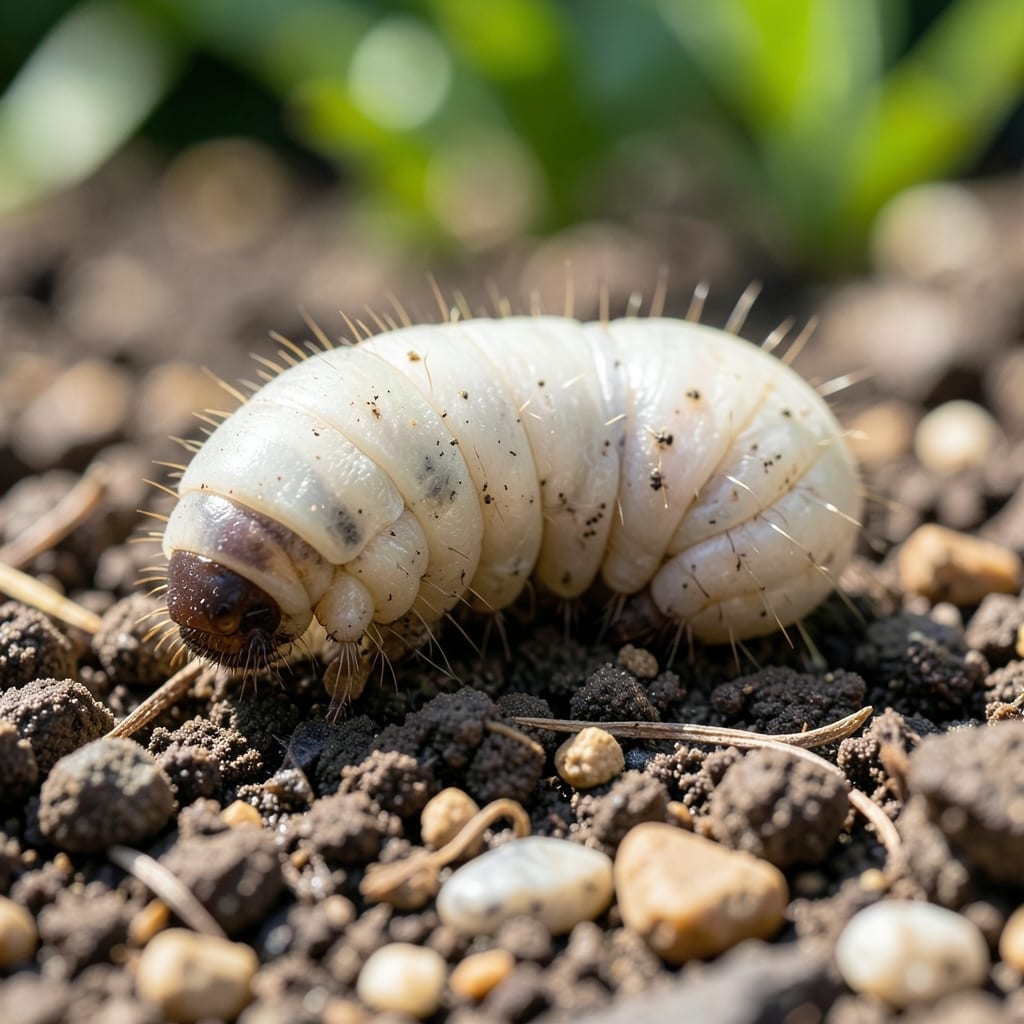
I found white grubs in my raised beds last spring. Turns out some larvae are beneficial, but others will destroy your plants overnight if left unchecked.
This guide helps you tell the difference between the good guys and the troublemakers. You’ll learn to spot harmful larvae early, before they wreak havoc on roots, stems, or leaves.
Simple solutions work best: hand-removal for small infestations, natural predators for prevention, and soil treatments as a last resort. No harsh chemicals needed.
Healthy soil is your first defense. With the right habits, you’ll keep pests out and your garden thriving for the long haul.
Larvae in soil are a common issue, often tied to specific environmental or biological conditions. Here’s why they thrive in dirt:
Decaying plant material, compost, or manure in soil creates an ideal food source for larvae like grubs or maggots. These organisms break down organic matter, but their presence can harm plants if populations grow unchecked.
Overwatered or poorly drained soil retains excess moisture, which many larvae species—such as fungus gnat larvae—require to survive. Standing water or damp conditions signal a perfect breeding ground.
Warmer soil (typically above 60°F/15°C) accelerates larval growth cycles. Spring and summer are peak seasons for larvae in dirt because heat hastens egg hatching and feeding activity.
Adult insects like beetles, flies, or moths often deposit eggs in soil, where they hatch into larvae. For example, Japanese beetle grubs or cutworms emerge from eggs laid in garden beds, feeding on roots and organic debris.
Dealing with larvae in your soil doesn’t have to be a losing battle. Below are practical, step-by-step fixes for the most common causes, plus prevention tips to keep your garden healthy long-term.
Larvae thrive in damp conditions. If your soil stays soggy, mix in coarse sand or perlite to boost drainage. Raise garden beds or use containers with drainage holes. Prevention tip: Water only when the top inch of soil feels dry—use your finger to test! 💡
Decaying leaves and plant matter attract egg-laying pests. Remove debris weekly and till the soil to expose hidden larvae to sunlight and predators. Prevention tip: Use a thin layer of mulch (1–2 inches) to discourage pests without trapping moisture. ✨
Introduce beneficial nematodes or ground beetles to target larvae naturally. For quick action, set up beer traps (bury a shallow dish filled with beer) to lure and drown slugs and grubs. Prevention tip: Rotate crops yearly to disrupt pest life cycles. 🎯
Weak soil invites pests. Add compost or well-rotted manure to improve texture and nutrient content, making it less appealing to larvae. Prevention tip: Test soil pH annually—most veggies thrive in slightly acidic to neutral soil (6.0–7.0). 🌡️
Consistency is key: combine these fixes with regular garden maintenance to keep larvae at bay for good!
Beneficial larvae, like earthworm young or predatory beetle grubs, help break down organic matter. Harmful types, such as white grubs or cutworms, typically have soft bodies and feed on plant roots. Check for damage to plants to confirm.
Handpick visible larvae from soil and drop them in soapy water. For larger infestations, apply beneficial nematodes or diatomaceous earth. These methods work within 24-48 hours.
Yes! Rotate crops, remove plant debris, and maintain proper drainage. Encourage natural predators like birds or toads by providing habitats. Healthy soil is your best defense.