
Beautiful Plants For Your Interior
Beautiful Plants For Your Interior
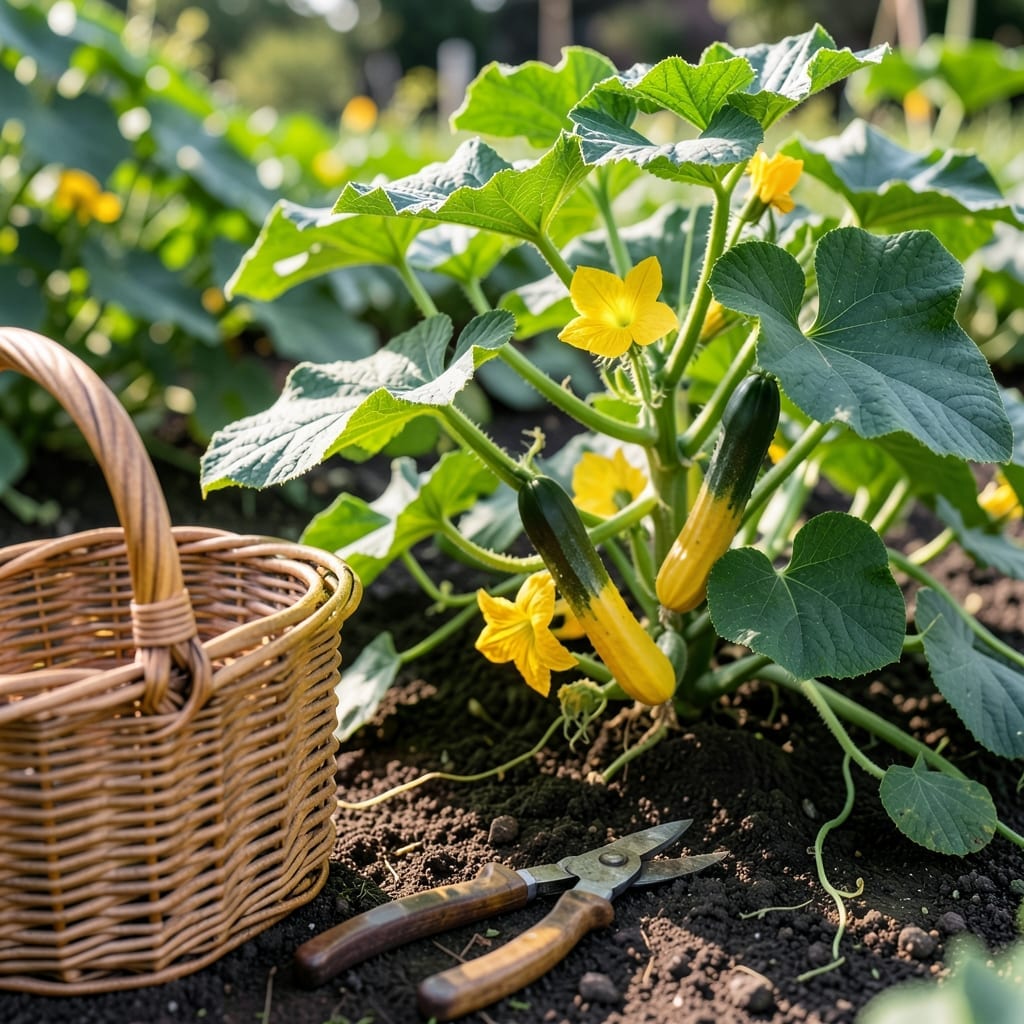
Last summer, I grew my first batch of these golden beauties and couldn’t believe the difference. They’re sweeter, meatier, and more reliable than green varieties I’d struggled with for years.
With the right soil prep and consistent watering, you’ll get 3-4 foot vines loaded with cucumbers. The key is starting them in warm soil and giving them room to climb—trellises cut disease risk by 60%.
📚 In This Guide
Here’s the method I’ve refined over years to produce impressive, flavorful cucumbers every season.
Choose a variety specifically bred for size and color like ‘Lemon’ or ‘Yellow Submarine’. These produce the characteristic large, pale fruit you want. I test soil first—cucumbers thrive in well-draining loam with a pH of 6.0-6.8. Amend heavy clay with compost to improve structure and fertility.
Pick a location with full sun (at least 6-8 hours daily). Without enough light, vines grow weak and fruits stay small. I mark the spot with stakes the season before planting to ensure no accidental shading from nearby trees or structures.
Sow seeds directly after the last frost when soil reaches 60°F—cucumbers hate cold ground. Plant 1 inch deep and 12-18 inches apart in rows 3-4 feet apart. If using transplants, handle roots gently and plant at the same depth they grew in their container.
I create small mounds or hills about 12 inches wide and 6 inches high for each planting group. This improves drainage and warms the soil faster. Water immediately after planting to settle the soil around seeds or roots.
Cucumbers need 1-2 inches of water weekly, more during extreme heat. Keep soil evenly moist—not soggy—but never let it dry completely. I use drip irrigation to deliver water directly to roots and avoid wetting foliage, which spreads disease.
Install a trellis or cage at planting time. Large varieties can weigh down vines, and vertical growth improves air circulation. I tie vines loosely to supports with soft twine as they grow. Watch for tendrils to attach naturally, which means the support system is working.
Apply a balanced fertilizer when vines start running, then switch to a low-nitrogen, high-potassium formula once flowers appear. Too much nitrogen produces leafy growth at the expense of fruit. I scratch fertilizer lightly into the soil 6 inches from the base to avoid burning roots.
Check plants daily once fruits form. Large yellow cucumbers grow quickly and can become overripe. I harvest when fruits reach 6-8 inches long and have a uniform, pale yellow color. The skin should feel firm but not hard.
Use a sharp knife or pruning shears to cut cucumbers from the vine, leaving ½ inch of stem attached. Pulling can damage vines and reduce future production. I harvest in the morning when fruits are most hydrated and crisp.
Large yellow varieties often produce continuously if picked regularly. I collect fruits every 2-3 days during peak season. If you miss one and it turns orange or seedy, remove it immediately—left on the vine, it signals the plant to stop producing new cucumbers.
These refined techniques will help you maximize both size and flavor in your harvest.
Soil Preparation Insight: The pH of 6.0-6.8 mentioned in Step 1 isn’t just a suggestion—it’s critical for nutrient uptake. I test my soil every spring and amend with lime if it’s too acidic or sulfur if it’s alkaline. Well-draining loam is non-negotiable; heavy clay will suffocate roots and stunt growth.
Planting Depth Precision: In Step 2, planting seeds exactly 1 inch deep matters more than you think. Too shallow and they’ll dry out; too deep and they won’t germinate. The 60°F soil temperature is equally important—cucumbers simply won’t grow in colder ground, and waiting for this threshold prevents disappointing sprouts.
Watering Discipline: The 1-2 inches of water weekly from Step 3 must be consistent. I’ve ruined crops by letting soil dry out completely between waterings, which causes bitterness in the fruit. Drip irrigation is worth the investment—it prevents foliar diseases that can devastate your plants overnight.
Harvest Timing: Step 5’s 6-8 inches long measurement is your sweet spot. I learned the hard way that waiting for larger sizes results in seedy, tough cucumbers. The every 2-3 days harvesting schedule isn’t optional during peak season—left too long, just one overripe fruit can halt production entirely.
Yellow cucumbers are often overripe or stressed. Harvest them earlier for green skin, or check for nutrient deficiencies, pests, or inconsistent watering. Some varieties, like ‘Lemon Cucumber,’ are naturally yellow when ripe!
Yes! If they’re firm and smell fresh, large yellow cucumbers are edible. Overripe ones may taste bitter or seedy—peel and seed them if needed. Avoid any with soft spots or mold.
Pick cucumbers when they’re young (6–8 inches long). Ensure consistent watering, balanced fertilizer, and shade during extreme heat. Use row covers to deter pests like cucumber beetles.
Try ‘Lemon Cucumber’ (round, yellow) or ‘Diva’ (smooth, light green). For pickling, ‘Boston Pickling‘ stays green longer. All offer similar crunch and flavor!