
Beautiful Plants For Your Interior
Beautiful Plants For Your Interior
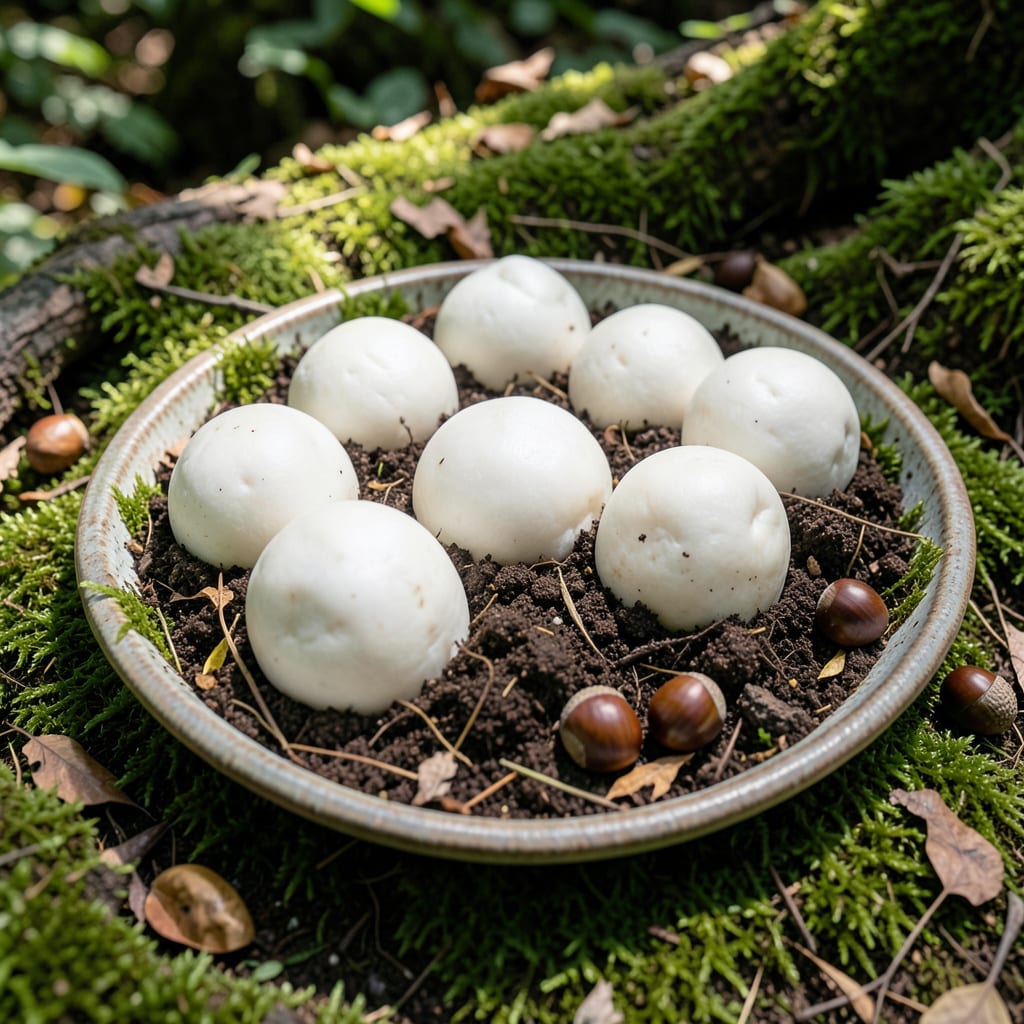
I found my first one last spring—white, round, and golf-ball sized in my raised bed. These fungus formations appear overnight, often after heavy rain or when organic matter breaks down.
They’re not harmful to plants, but their presence signals overly moist conditions or excess wood chips in your soil. The good news? They’re easy to identify and manage once you know what you’re dealing with.
Removing them is simple: just scoop them out and adjust your watering or mulching habits. The key is improving drainage to prevent their return.
This issue is common in gardens with rich, undisturbed soil. A few tweaks to your routine will keep your beds healthy and fungus-free.
The appearance of large white fungus balls in soil is often tied to a few key environmental and biological factors. These growths, typically sclerotia or fungal fruiting bodies, thrive under specific conditions. Below are the primary causes, explained in detail.
Soil rich in undecayed organic material, such as wood chips, compost, or leaf litter, creates an ideal breeding ground for fungi. Species like Elaphomyces or Scleroderma feed on decomposing plant matter, forming dense, white, ball-like structures. Over-fertilizing with organic amendments can accelerate this process.
Fungi flourish in consistently damp environments. Overwatering, poor drainage, or heavy clay soils that retain moisture can encourage fungal growth. These conditions allow spores to germinate and develop into visible sclerotia or mycelial masses.
Temperature and humidity play a significant role. Warm, humid climates (especially in temperate or tropical regions) provide the perfect setting for fungal proliferation. Seasonal changes, like heavy rainfall followed by warm spells, often trigger outbreaks.
Soil naturally contains fungal spores, but disturbances—such as tilling, moving potted plants, or using contaminated garden tools—can introduce or spread them. Once spores encounter favorable conditions, they grow into the white, ball-like structures commonly found in garden beds or potted plants.
Using fresh wood chips or bark mulches can directly introduce fungi like Armillaria or Xylaria. These fungi break down lignin in wood, forming white, cottony or ball-shaped growths as they colonize the material. Opt for aged mulch to reduce this risk.
Dealing with large white fungus balls in your soil can be unsettling, but these practical solutions will help you address the root causes and restore your garden’s health.
If excess moisture is the culprit, start by reducing watering frequency and ensuring your soil has proper drainage. For potted plants, check that drainage holes aren’t clogged. In garden beds, consider amending the soil with coarse sand or perlite to improve airflow. A simple raised bed can also prevent waterlogging in heavy clay soils.
While organic matter is great for soil health, too much can create a fungus-friendly environment. Mix in inorganic materials like sand or gravel to dilute the organic content. Avoid overloading with compost or manure, and turn the soil regularly to promote aeration and discourage fungal growth.
Compacted soil traps moisture and limits oxygen, which fungi love. Use a garden fork or tiller to loosen the top 6–12 inches of soil. For container plants, gently aerate the root zone with a chopstick or small hand tool. Adding mulch sparingly can also help maintain airflow while retaining just enough moisture.
No, they typically don’t damage plants directly. They’re usually harmless fungi that thrive on decaying organic matter. However, their presence may indicate overly moist conditions that could affect plant health.
Use a small trowel or spoon to scoop them out, including a bit of surrounding soil. Dispose of them in the trash—not compost—to prevent spreading spores. Wear gloves if you’re sensitive to fungi.
They might return if conditions remain favorable (excess moisture or organic buildup). To prevent recurrence, improve drainage and reduce wood-based mulches. Regular soil aeration helps too.
It’s usually unnecessary. Focus on adjusting soil conditions instead. If needed, natural options like neem oil or baking soda sprays can deter fungal growth without harsh chemicals.
