
Beautiful Plants For Your Interior
Beautiful Plants For Your Interior
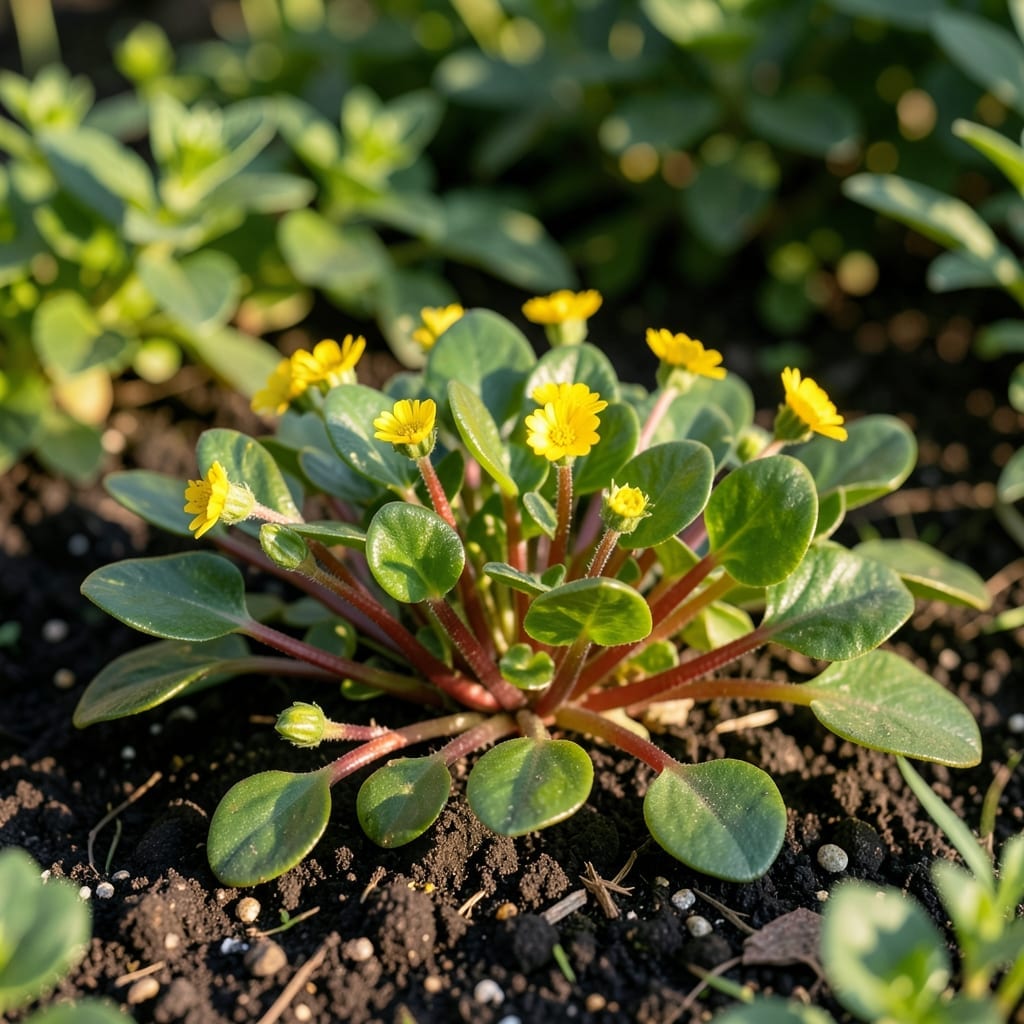
Those oversized leaves taking over your garden aren’t just ugly—they’re stealing sunlight and nutrients from your plants. I’ve spent too many weekends pulling the same invaders only to watch them return stronger.
Identifying large-leaf weeds starts with noticing the details: broad, flat surfaces, jagged edges, or clusters that spread like wildfire. Some have deep green tops with purple undersides, while others sport fuzzy textures that irritate skin.
Once you spot them, removal gets easier. The key is catching them early, before roots dig in too deep. A little vigilance now saves hours of backbreaking work later.
This guide helps you recognize the usual suspects and stop them in their tracks—before they take over your beds.
Large leaf weeds thrive in specific conditions, often signaling an imbalance in your lawn or garden. Here’s why they appear, broken down by cause:
Weeds with broad leaves, like dandelions or plantain, often dominate when soil pH is off-kilter. Compacted or nutrient-poor soil creates gaps for these opportunistic plants to take root. A soil test can reveal deficiencies in nitrogen, phosphorus, or potassium, which large-leaf weeds exploit.
Excess moisture fosters weeds like purslane or chickweed, which have large, water-storing leaves. Overwatering leaches nutrients and suffocates grass, leaving bare spots for weeds to colonize. Ensure your lawn has proper drainage and water deeply but infrequently.
Shade-tolerant weeds, such as ground ivy, flourish in areas where grass struggles due to lack of sunlight. Thin turf or sparse planting allows these weeds to spread their wide leaves to capture more light. Prune trees or choose shade-resistant grass to outcompete them.
Neglected lawns invite large-leaf weeds like clover or thistle. Infrequent mowing, skipped fertilization, or ignored bare patches give weeds the space and time to establish. A consistent care routine—mowing high, aerating, and overseeding—can suppress their growth.
Once you’ve identified large-leaf weeds, the next step is taking action. Below are practical solutions tailored to common causes, along with prevention tips to keep your garden or lawn weed-free.
If weeds have taken over due to lack of attention, consistent mowing or pulling is key. Use a hoe or hand weeder to remove them at the root, especially after rain when the soil is soft. Prevention tip: Set a weekly schedule to inspect and address new growth before it spreads. 💡 A little effort now saves hours later!
Large-leaf weeds thrive in fertile soil. Apply a 2-3 inch layer of mulch to block sunlight and suppress growth. If weeds persist, test your soil—excess nitrogen might be the culprit. Switch to a balanced, slow-release fertilizer and avoid over-fertilizing. Prevention tip: Use organic mulch like wood chips or straw to smother weeds naturally. ✨
Some large-leaf weeds, like dandelions or plantain, spike in spring or fall. Apply a pre-emergent herbicide in early spring to stop seeds from germinating. For existing weeds, spot-treat with a post-emergent herbicide (glyphosate-free for eco-friendly options). Prevention tip: Reapply pre-emergent every 6-8 weeks during growing season. 🎯
Weeds with airborne seeds (e.g., burdock or cocklebur) can quickly invade. Install landscape fabric under mulch or gravel to block their establishment. For garden beds, use edging to contain spreads. Prevention tip: Clean tools and footwear after working in weedy areas to avoid transporting seeds. 🌡️
Weeds often grow aggressively, crowding other plants and spreading quickly. Look for rapid growth, invasive behavior, or leaves that appear out of place in your garden.
They return because their roots or seeds remain in the soil. Many large-leaf weeds, like dandelions, have deep taproots. Removing the entire root system is key to preventing regrowth.
Hand-pulling after rain is effective, as the soil is soft. For stubborn weeds, use a weeding tool to dig out the roots. Mulching with 2-3 inches of organic material also suppresses growth.
Yes, they compete for sunlight, water, and nutrients. Some, like bindweed, can even strangle other plants. Removing them promptly protects your garden’s health.