
Beautiful Plants For Your Interior
Beautiful Plants For Your Interior
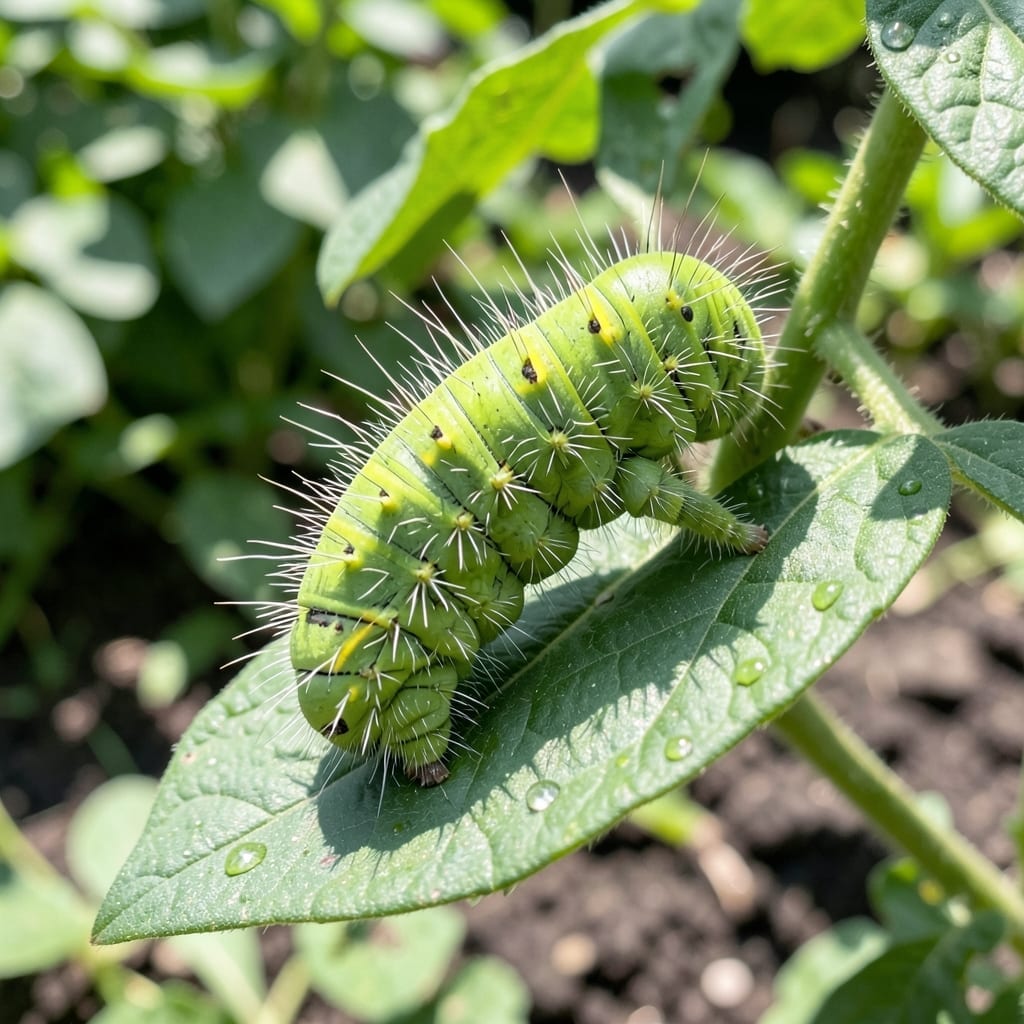
I spotted my first one last summer—bright green, covered in spikes, and munching through my tomato leaves like they were nothing. These caterpillars can strip plants bare in days, leaving behind skeletonized leaves and frustrated gardeners.
Hand-picking works surprisingly well if you’re diligent. Drop them in soapy water and they won’t return. The trick is checking plants daily, especially undersides of leaves where they hide during the day.
For larger infestations, natural solutions like Bacillus thuringiensis (Bt) stop the feeding without harming other wildlife. It’s safe, effective, and won’t disrupt your garden’s ecosystem.
Prevention starts with row covers early in the season and removing plant debris in fall. A little vigilance now saves you a world of trouble later.
The presence of spiky green caterpillars in your garden is rarely random. These creatures emerge due to specific environmental and biological triggers. Below, we break down the most common causes and the science behind them.
Many large green caterpillars with spikes are the larval stage of moths or butterflies, such as the Hemileuca species. Their appearance is simply part of nature’s timeline: adult moths lay eggs on host plants (often trees like oak or willow), which hatch into caterpillars. These larvae feed voraciously to store energy for metamorphosis, and their spikes serve as a defense mechanism against predators like birds.
These caterpillars thrive in gardens with abundant deciduous trees or leafy plants. Overwatered or overly fertilized gardens can create lush foliage, which attracts egg-laying females. The more food available, the faster the caterpillar population grows. Spikes often develop as a response to high competition—a way to deter rivals or predators in dense vegetation.
Warm, humid climates accelerate caterpillar development. In regions with mild winters, eggs may survive and hatch earlier in the spring. Additionally, drought stress in plants can sometimes trigger defensive adaptations in caterpillars, including more pronounced spikes, as they face harsher survival conditions.
Understanding these causes helps you predict and manage their presence before they damage your garden.
If you’ve spotted a spiky green caterpillar in your garden, act fast to protect your plants and prevent further damage. Here’s how to tackle the issue step by step:
For small infestations, manual removal is the most effective. Wear gardening gloves to protect your hands from the spikes, and pluck the caterpillars off leaves or stems. Drop them into a bucket of soapy water to ensure they don’t return. Check plants thoroughly, especially the undersides of leaves where they like to hide.
Encourage natural predators like birds, parasitic wasps, or ladybugs to keep caterpillar populations in check. Install bird feeders or plant native flowers to attract these helpful creatures. Avoid pesticides, as they can harm these beneficial insects too.
If the infestation is widespread, use neem oil or Bacillus thuringiensis (Bt)—a natural bacterial spray that targets caterpillars without harming other insects. Spray in the early morning or late evening for best results, and reapply after rain.
Prevention Tips:
Most spiky green caterpillars are harmless but their spines can cause mild irritation. Always wear gloves when handling them to avoid skin discomfort. The irritation typically fades within a few hours.
They often target leafy greens like tomatoes, lettuce, and cabbage. Also check oak, willow, or fruit trees, as these are common hosts for their eggs. Regular inspection helps catch them early.
Remove plant debris in fall and use row covers in spring. Rotate crops yearly to disrupt their life cycle. Healthy gardens with diverse plants also deter large infestations.