
Beautiful Plants For Your Interior
Beautiful Plants For Your Interior
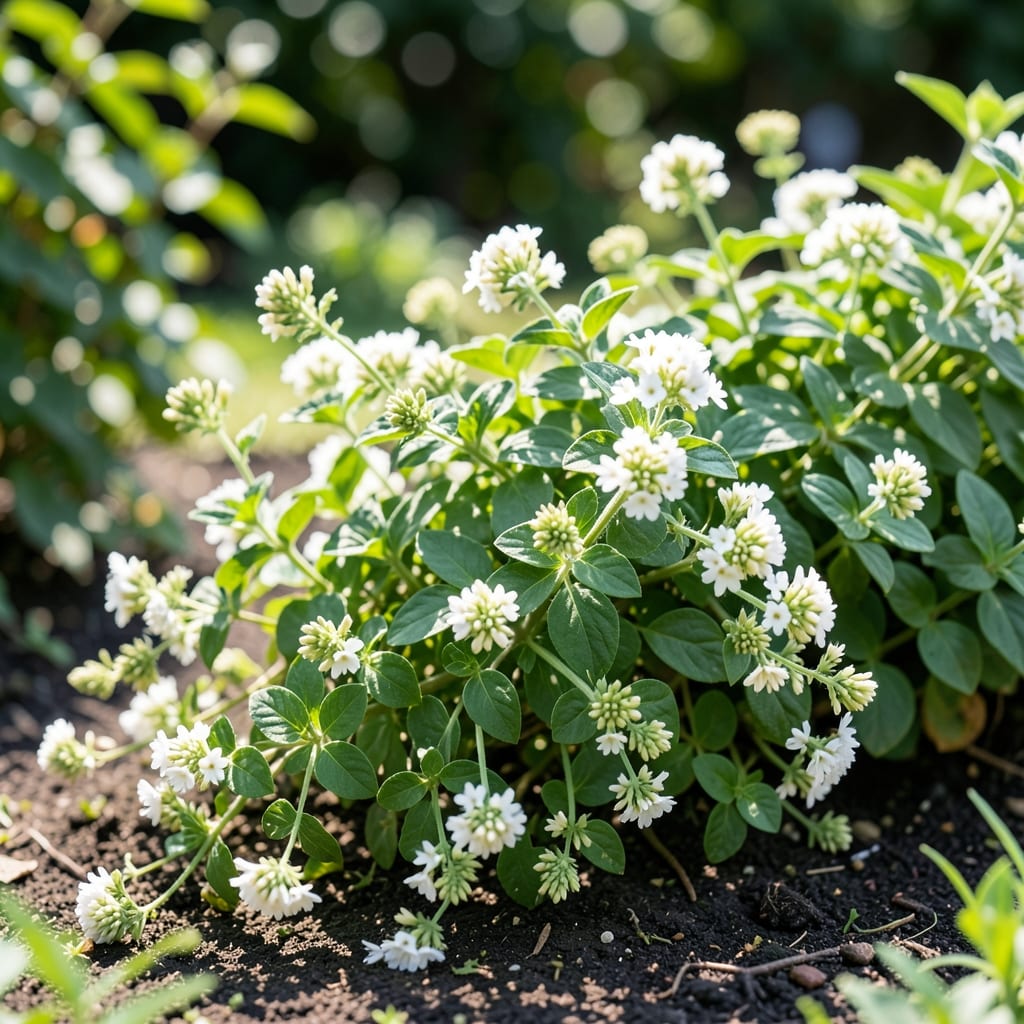
White trailing lantana spills over edges like a living waterfall. I’ve watched it transform plain patios into eye-catching displays with almost no effort.
It thrives in heat, tolerates drought, and rewards you with nonstop blooms from spring to frost. Perfect for hanging baskets or ground cover where you want long-lasting color with minimal fuss.
📚 In This Guide
Here’s the method I use to grow vibrant white trailing lantana with minimal effort and maximum bloom.
Choose a site with full sun exposure—lantana thrives in at least 6-8 hours of direct sunlight daily. Anything less and you’ll see sparse foliage and fewer blooms. The soil should be well-draining; these plants despise soggy roots. I always amend heavy clay with compost or sand to improve drainage.
Test your soil by digging a 12-inch hole and filling it with water. If it drains within 1 hour, you’re good. If not, work in 3-4 inches of organic matter to loosen it up. A slightly acidic to neutral pH (6.0-7.0) is ideal, but lantana is forgiving.
Dig a hole twice as wide as the root ball but no deeper. Place the plant in the hole, ensuring the top of the root ball sits just above soil level—lantana hates being buried too deep. Backfill with native soil, pressing lightly to remove air pockets.
Space plants 18-24 inches apart for trailing varieties. This gives them room to spread without crowding, which can lead to poor air circulation and fungal issues. Water thoroughly after planting to settle the soil around the roots.
Water deeply once a week, allowing the top 1-2 inches of soil to dry out between waterings. Overwatering is the quickest way to kill lantana. I use the finger test: stick your finger in the soil—if it feels dry at 1 inch depth, it’s time to water.
Fertilize lightly with a balanced, slow-release fertilizer once in early spring and again mid-summer. Avoid high-nitrogen fertilizers, which promote leafy growth at the expense of blooms. A 10-10-10 or 12-6-6 ratio works well. Always water after fertilizing to prevent root burn.
Prune lantana in early spring to remove dead or damaged growth and shape the plant. Use clean, sharp shears to make cuts at a 45-degree angle just above a leaf node. This encourages bushier growth and more flowering sites.
Deadhead spent blooms regularly to promote continuous flowering. I simply pinch off the faded clusters with my fingers—no tools needed. A light trim after the first big flush of blooms can rejuvenate the plant and encourage a second wave of flowers.
In colder climates (USDA zones 7 and below), lantana is often grown as an annual. But you can overwinter it indoors. Before the first frost, cut the plant back by one-third and dig up the root ball. Pot it in a container and move it to a sunny indoor spot.
Water sparingly during winter—just enough to keep the soil from drying out completely. Reduce fertilizing, as the plant’s growth slows. Come spring, move it back outside after the last frost, gradually acclimating it to outdoor conditions over 7-10 days.
Small adjustments in care make a surprisingly big difference with this plant.
Sunlight Strategy: The 6-8 hours of direct sunlight mentioned in Step 1 isn’t just a suggestion—it’s essential. I’ve seen plants in partial shade produce half as many blooms. If your garden doesn’t get full sun, consider container planting so you can move pots to follow the light.
Soil Drainage Test: That 12-inch hole test from Step 1 is worth doing before planting. I learned this the hard way after losing two plants to root rot. If water sits after an hour, work in that 3-4 inches of organic matter—it genuinely transforms heavy clay into workable soil.
Pruning Precision: In Step 4, making cuts at that 45-degree angle prevents water from pooling on the cut surface, which can invite disease. Also, deadheading isn’t just aesthetic—it redirects the plant’s energy from seed production to more blooms.
Overwintering Timing: For Step 5, that 7-10 day acclimation period is crucial. I rushed this once and lost half my plants to transplant shock. Gradual exposure to outdoor conditions prevents leaf scorch and wilting.
White trailing lantana thrives in full sun (6+ hours daily) and well-draining soil. Water deeply once a week, allowing soil to dry between waterings. Prune lightly after flowering to encourage bushier growth and more blooms.
Lack of blooms is often due to insufficient sunlight, overwatering, or excessive nitrogen fertilizer. Ensure it gets full sun, reduce watering, and switch to a bloom-boosting fertilizer with higher phosphorus (e.g., 10-20-10).
Plant in spring after the last frost, when soil temperatures reach at least 60°F (15°C). In warmer zones (9-11), fall planting works too. Avoid planting during extreme heat or cold for best establishment.
For similar cascading white blooms, try Sweet Carolina Sweetheart White petunia, Diamond Frost euphorbia, or Snow Princess lobularia. These are low-maintenance and drought-tolerant, like lantana.
Improve air circulation by spacing plants properly and watering at the base. Apply a fungicide like neem oil or sulfur-based spray at the first sign of white powdery spots. Remove heavily infected leaves to prevent spread.