
Beautiful Plants For Your Interior
Beautiful Plants For Your Interior
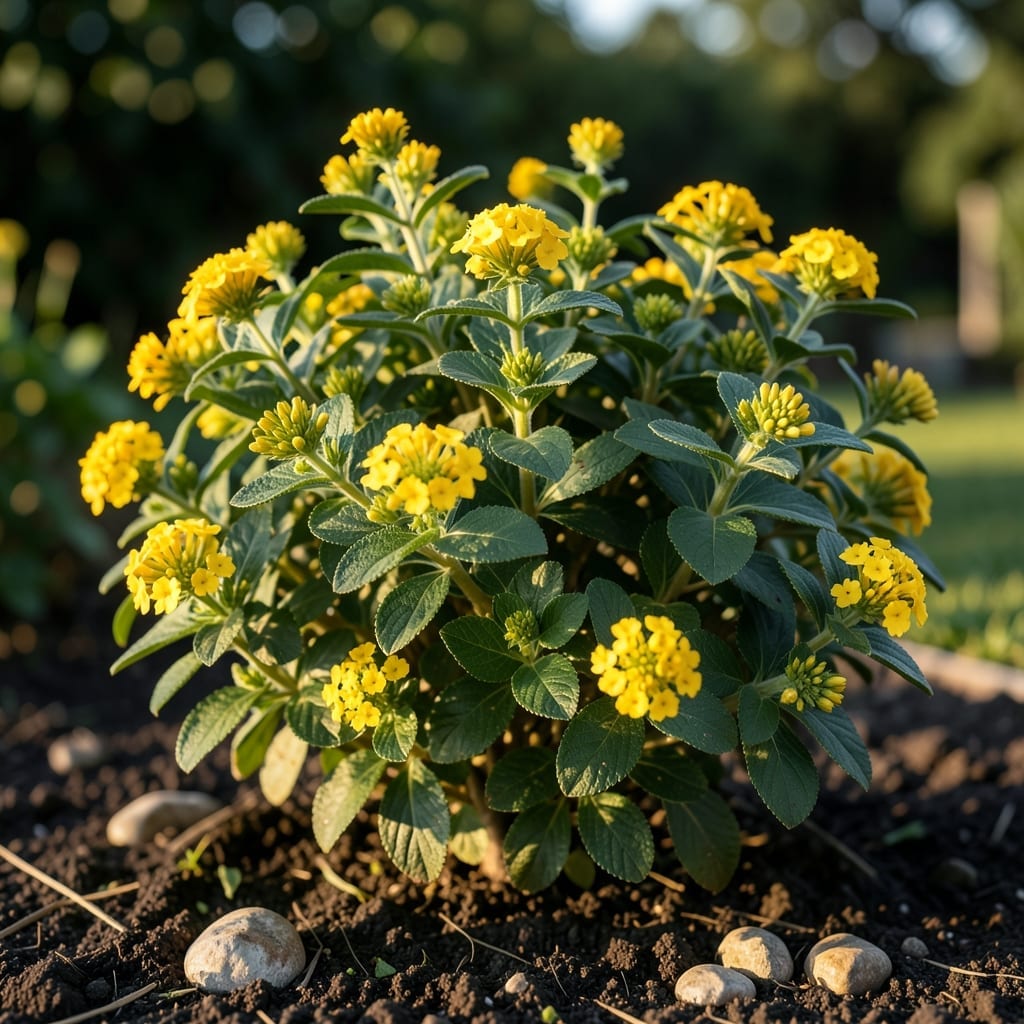
This cheerful yellow bloomer transformed my summer garden. Lucky Yellow lantana thrives in full sun, bouncing back from heat waves that wilt other plants.
With minimal care, it spreads vibrant color all season. You’ll get continuous flowers from late spring until frost, and the butterflies can’t resist the bright blooms.
📚 In This Guide
Here’s the method I use to cultivate these cheerful, sun-loving plants with consistent success.
Select a site that receives full sun for at least 6-8 hours daily—this variety thrives in intense light and produces the most vibrant blooms under these conditions. The soil should be well-draining, as lantana despises waterlogged roots. I always test drainage by digging a 1-foot hole, filling it with water, and ensuring it drains within 1 hour.
If your soil is heavy clay, amend it with compost or sand to improve drainage before planting. A slightly elevated bed or slope works even better, as it prevents water from pooling around the roots during heavy rains.
Dig a hole that’s twice as wide and just as deep as the root ball. Gently remove the plant from its container and loosen any circled roots to encourage outward growth. Place the plant in the hole so the top of the root ball sits ½ inch above the surrounding soil level—this prevents settling and water pooling.
Space plants 18-24 inches apart to allow for their mature spread. Backfill the hole with native soil, pressing lightly to eliminate air pockets. Water thoroughly to settle the soil, but avoid compacting it too firmly, as this can restrict root growth.
Water deeply immediately after planting, ensuring the soil is moist to a depth of 6-8 inches. For the first 2-3 weeks, keep the soil consistently moist but not soggy—this helps the roots establish. After establishment, lantana is drought-tolerant, and I water mine only when the top 1-2 inches of soil feels dry.
Avoid overhead watering, as wet foliage can invite fungal diseases. Instead, water at the base of the plant, directing the stream to the soil. A 2-3 inch layer of mulch around the plant (but not touching the stem) helps retain moisture and suppress weeds.
Apply a balanced, slow-release fertilizer at planting time, following the package instructions. I also feed my lantana with a liquid fertilizer every 4-6 weeks during the growing season to encourage continuous blooming. Over-fertilizing, however, can lead to excessive foliage growth at the expense of flowers.
Prune the plant lightly after the first flush of blooms to encourage branching and more flowers. Use clean, sharp pruners to remove spent flower clusters and trim back leggy stems by one-third. This keeps the plant compact and promotes a second wave of vibrant yellow blooms.
Lantana is relatively pest-resistant, but keep an eye out for aphids, whiteflies, or spider mites, especially in hot, dry conditions. I inspect the undersides of leaves weekly for early signs of infestation. A strong blast of water can dislodge many pests, but for severe cases, use insecticidal soap or neem oil.
Fungal issues like powdery mildew can occur in humid conditions or with poor air circulation. Ensure plants are spaced properly and avoid watering late in the day. If you notice white powdery spots on leaves, treat with a fungicide and improve airflow around the plant.
The small details in planting and care make all the difference between struggling plants and vibrant blooms.
Site Selection: That 6-8 hours of direct sunlight daily isn’t just a suggestion—it’s critical for maximum flowering. I learned this the hard way when my first few plants in partial shade produced sparse blooms. Even a few hours of afternoon shade can reduce flower production significantly.
Drainage Test: The 12-inch deep hole test with 1 hour drainage time is your insurance policy against root rot. If water lingers beyond that hour, raised beds with added sand or compost are your best solution. I’ve seen plants wilt within days in poorly draining spots, even with perfect sunlight.
Planting Depth: That ½ inch above surrounding soil placement prevents the most common planting mistake—settling that leads to waterlogged roots. Press the soil gently but firmly to eliminate air pockets, which can dry out roots before they establish.
Pruning Technique: When trimming back by one-third after the first bloom, use sharp pruners and cut just above a leaf node. This encourages bushier regrowth. Also, deadheading isn’t just for looks—it redirects energy from seed production to new blooms.
Keep it in full sun and well-drained soil. Water moderately, allowing the soil to dry between waterings. Prune regularly to encourage bushier growth and more blooms.
This vibrant plant blooms from late spring to fall, thriving in warm weather. Expect continuous yellow flowers if given enough sunlight and proper care.
Watch for whiteflies, aphids, and powdery mildew. Treat pests with neem oil or insecticidal soap, and ensure good air circulation to prevent fungal issues.
Yes! It adapts well to pots. Use a container with drainage holes and a quality potting mix. Ensure it gets at least 6-8 hours of sunlight daily.
Lack of sunlight, overwatering, or excessive nitrogen can reduce blooms. Move it to a sunnier spot, adjust watering, and use a balanced fertilizer to encourage flowers.