
Beautiful Plants For Your Interior
Beautiful Plants For Your Interior
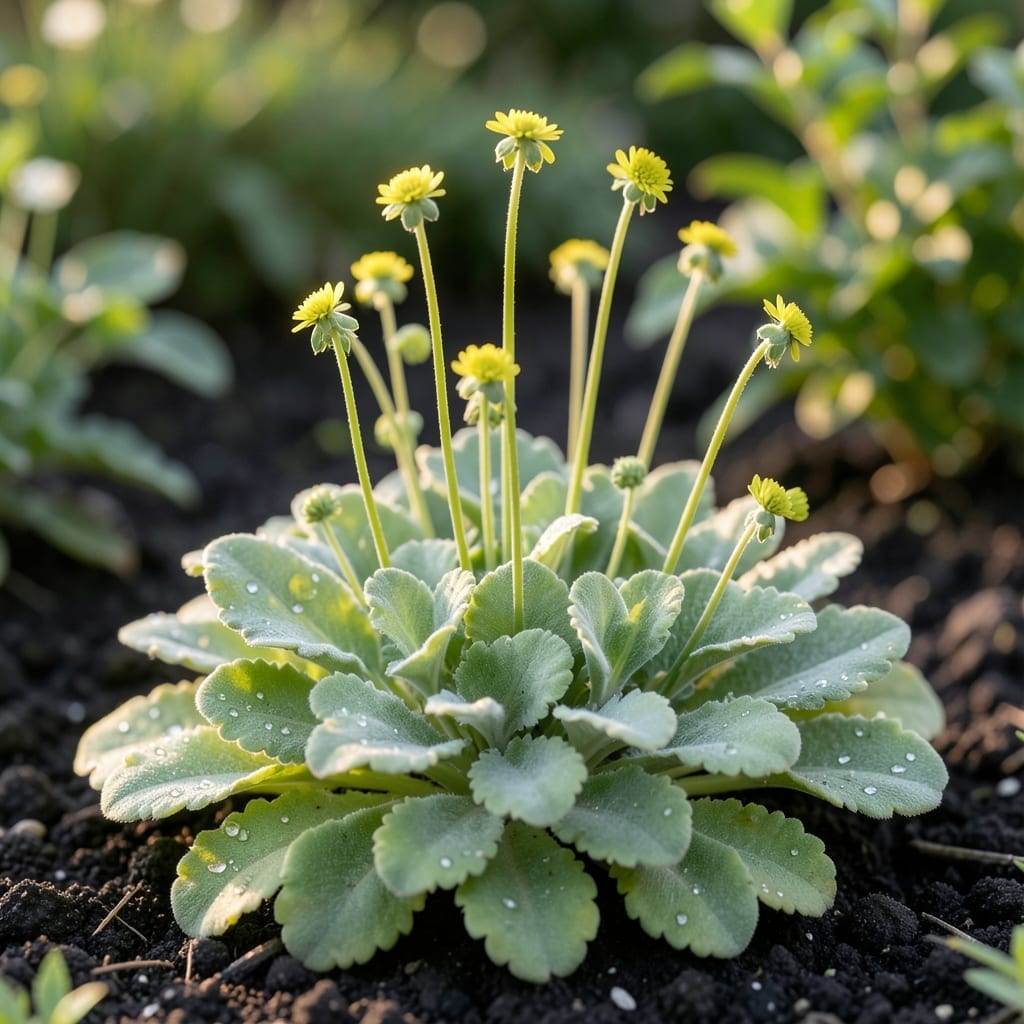
I fell for lady’s mantle the first time I saw its soft, velvety leaves catching morning dew like tiny green bowls. ✨ This plant transforms any garden corner into a lush, textured oasis with minimal effort.
It thrives in partial shade with well-draining soil, and those iconic scalloped leaves stay vibrant green from spring through fall. Perfect for borders or ground cover, it asks little but gives so much visual payoff.
📚 In This Guide
Here’s the method I use to grow lush, dew-catching foliage that thrives with minimal fuss.
Lady’s mantle prefers partial shade but tolerates full sun in cooler climates. I always pick a location with well-draining soil—this plant hates soggy roots. A spot with morning sun and afternoon shade works beautifully, giving those iconic leaves just enough light to form their signature scalloped edges.
If your soil is heavy clay, amend it with compost to improve drainage. The ideal spot has good air circulation too, which prevents fungal issues that can mar those gorgeous leaves. You’ll know it’s right when the soil feels slightly moist but never waterlogged after rain.
Space plants 12-18 inches apart to give them room to form those lovely mounded clumps. Dig a hole just as deep as the root ball but twice as wide. I place the plant so the crown sits slightly above soil level to prevent rot.
Gently firm the soil around the base, then water thoroughly to settle everything. The first sign you’ve done this right? New growth appears within 2-3 weeks. If planting multiple, stagger them in a triangular pattern for the most natural look.
Water deeply once a week for the first month, then taper off to only during dry spells. This plant is drought-tolerant once established, but those first few weeks are critical. I always check by sticking my finger 1 inch into the soil—if it’s dry, it’s time to water.
Here’s the thing—morning watering works best. It gives the foliage time to dry before evening, preventing those ugly fungal spots. The leaves will actually tell you when they’re happy: they’ll hold morning dew in their cups like tiny silver bowls.
Cut back the entire plant by one-third after flowering to encourage fresh, vibrant growth. I use clean, sharp shears and make cuts at a slight angle. This timing also prevents unwanted self-seeding, which can spread aggressively in ideal conditions.
Remove any yellow or damaged leaves immediately. This keeps the plant looking its best and redirects energy to healthy growth. You’ll see new leaves emerge within 10-14 days of pruning, often with even better texture and color.
Every 2-3 years, divide clumps in early spring to maintain vigor. The center often dies out first, so I dig up the whole plant, discard the woody center, and replant the healthy outer sections.
In hot climates, provide afternoon shade to prevent leaf scorch. I’ve found that a simple shade cloth works wonders during heatwaves. The leaves will turn slightly crispy at the edges if they’re getting too much sun—your first warning sign.
In cold zones, mulch lightly in late fall with 2-3 inches of organic material. This protects the crown from freeze-thaw cycles. The plant is hardy to USDA zone 3, but that extra protection ensures it comes back stronger each spring.
Small adjustments make all the difference in growing healthy, dew-catching foliage.
Planting Position Insight: In Step 1, when choosing your spot, remember that morning sun with afternoon shade is ideal. This balance prevents leaf scorch while still giving the plant enough light to develop those beautiful scalloped edges. If you’re in a cooler climate, full sun works too.
Watering Wisdom: For Step 3, that 1-inch soil check is your best friend. Stick your finger in the soil—if it feels dry at that depth, it’s time to water. And always water in the morning so foliage dries before evening, which helps prevent fungal issues.
Pruning Tip: When you cut back the plant by one-third after flowering in Step 4, use clean, sharp shears. This isn’t just for aesthetics—removing spent flowers also prevents aggressive self-seeding. New leaves will appear within 10-14 days, often looking even better than before.
Winter Protection: In Step 5, that 2-3 inches of mulch in late fall is non-negotiable for cold zones. It protects the crown from freeze-thaw cycles, ensuring your plant comes back strong each spring. Even though it’s hardy to USDA zone 3, this extra layer makes a noticeable difference.
Keep soil moist but well-drained, and provide partial shade. Trim faded foliage to encourage new growth.
Spring or early fall is ideal for planting. This gives roots time to establish before extreme heat or cold.
It tolerates full sun in cooler climates but prefers partial shade, especially in hotter regions.
Brown leaves may indicate overwatering or poor drainage. Check soil moisture and improve drainage if needed.
Try astilbe, heuchera, or hostas for similar texture and shade tolerance. They’re great foliar companions!