
Beautiful Plants For Your Interior
Beautiful Plants For Your Interior
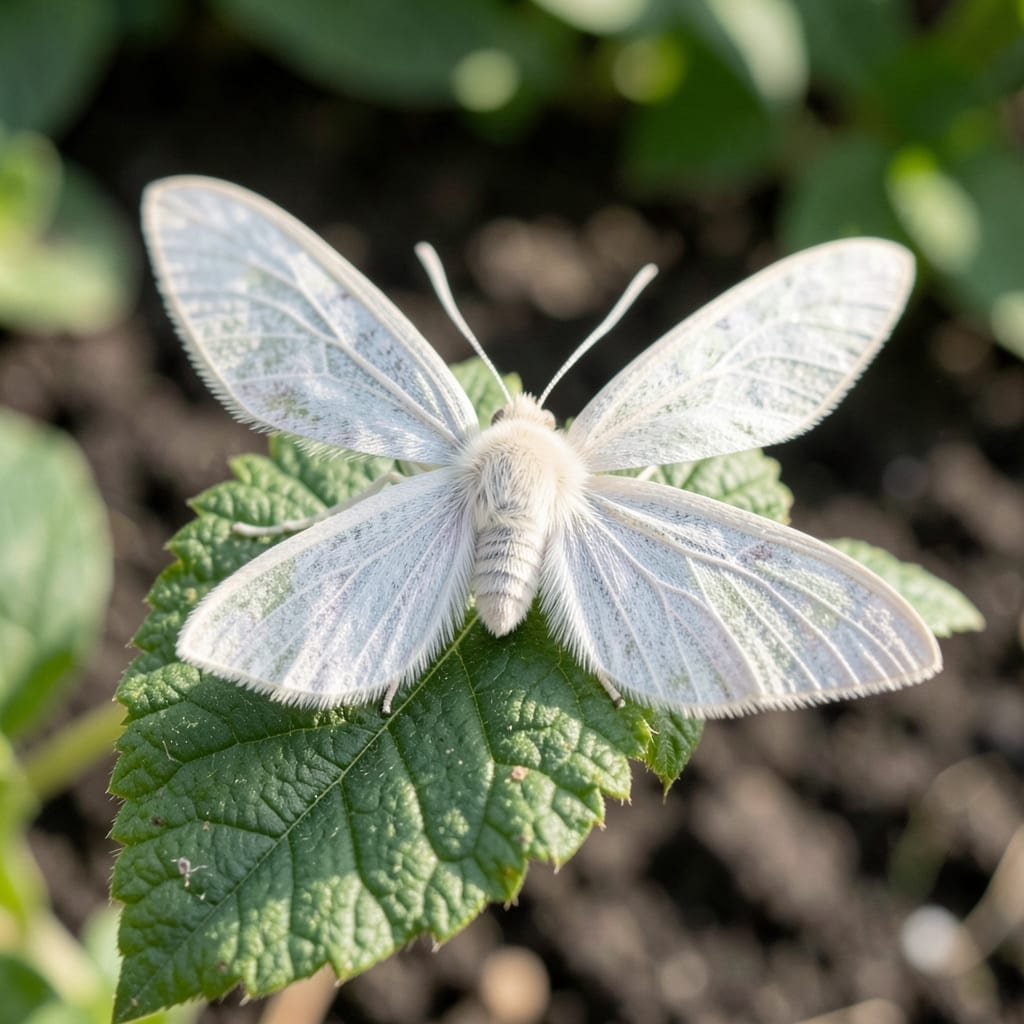
I noticed delicate green lacewings in my garden last summer and panicked. Turns out, these moths are some of your best allies against aphids and other soft-bodied pests.
Their larvae are voracious eaters, consuming 200-300 aphids per week. Adults lay eggs on slender stalks to avoid cannibalism, and their presence means your garden has a natural pest control system working around the clock.
These beneficial insects thrive in diverse plantings. Avoid broad-spectrum pesticides that harm them. Instead, plant nectar-rich flowers to keep them around.
If they do become problematic—which is rare—hand-pick or use insecticidal soap. Mostly though, they’re doing you a favor.
Understanding why lace winged moth populations surge in gardens helps you tackle the root of the problem. These pests thrive under specific conditions, often tied to environmental and gardening practices. Below are the primary causes behind their outbreaks.
Lace winged moths target plants like hibiscus, roses, and citrus. When these host plants grow densely without pruning, they create ideal breeding and feeding grounds. The moths lay eggs on the undersides of leaves, where larvae hatch and consume foliage unchecked. Action: Regularly trim and space out susceptible plants to reduce hiding spots and limit food sources.
These moths flourish in warm, humid environments, which accelerate their life cycle. Regions with mild winters and prolonged summers see more frequent infestations, as the moths reproduce rapidly. Action: Monitor weather patterns and increase vigilance during peak warmth. Use row covers or shade cloths to disrupt their habitat.
A garden lacking biodiversity often struggles with lace winged moths. Natural predators like birds, parasitic wasps, and ground beetles keep populations in check. If these predators are absent—due to pesticide use or habitat loss—the moths multiply unopposed. Action: Attract beneficial insects by planting native flowers and avoiding broad-spectrum pesticides.
Fallen leaves, plant debris, and weeds provide shelter for eggs and larvae. Neglecting garden cleanup allows the moths to overwinter and emerge stronger in spring. Action: Remove leaf litter, till the soil, and clear weeds to eliminate potential breeding sites.
Dealing with lace-winged moths in your garden doesn’t have to mean reaching for harsh chemicals. Here’s how to tackle the issue naturally and keep your plants thriving.
Encourage beneficial insects like ladybugs, lacewings, and parasitic wasps that prey on moth eggs and larvae. Plant nectar-rich flowers such as dill, fennel, or marigolds to draw them in. Avoid broad-spectrum pesticides, which can harm these helpful allies.
Prevention tip: 💡 Maintain a diverse garden ecosystem to support predator populations year-round.
For small infestations, handpick eggs, caterpillars, or adults from plants and drop them into soapy water. Check the undersides of leaves, where lace-winged moths often lay eggs. Do this in the early morning or evening when moths are less active.
Prevention tip: 🎯 Inspect plants regularly, especially during warm months when moth activity peaks.
Apply neem oil or insecticidal soap to affected plants, focusing on leaf undersides. These disrupt the moths’ life cycle without harming pollinators. Spray in the late afternoon to avoid harming bees.
Prevention tip: ✨ Rotate sprays to prevent resistance and reapply after rain.
Protect vulnerable plants with floating row covers to block adult moths from laying eggs. Secure the edges tightly to prevent gaps. Remove covers during flowering if pollination is needed.
Prevention tip: 🌡️ Use covers early in the season before moths become active.
Plant sacrificial crops like nasturtiums or radishes to lure moths away from your main garden. Destroy infested trap crops before larvae mature.
Prevention tip: 🔥 Rotate trap crop locations each year to stay ahead of pests.
Mostly no—their larvae actually eat aphids and other pests! Only a few species damage plants, so check for leaf holes before acting.
Plant nectar-rich flowers like dill or marigolds. Avoid pesticides to keep these beneficial insects thriving.
Handpick eggs or larvae and drop them in soapy water. Use neem oil for larger infestations, always in the evening.