
Beautiful Plants For Your Interior
Beautiful Plants For Your Interior
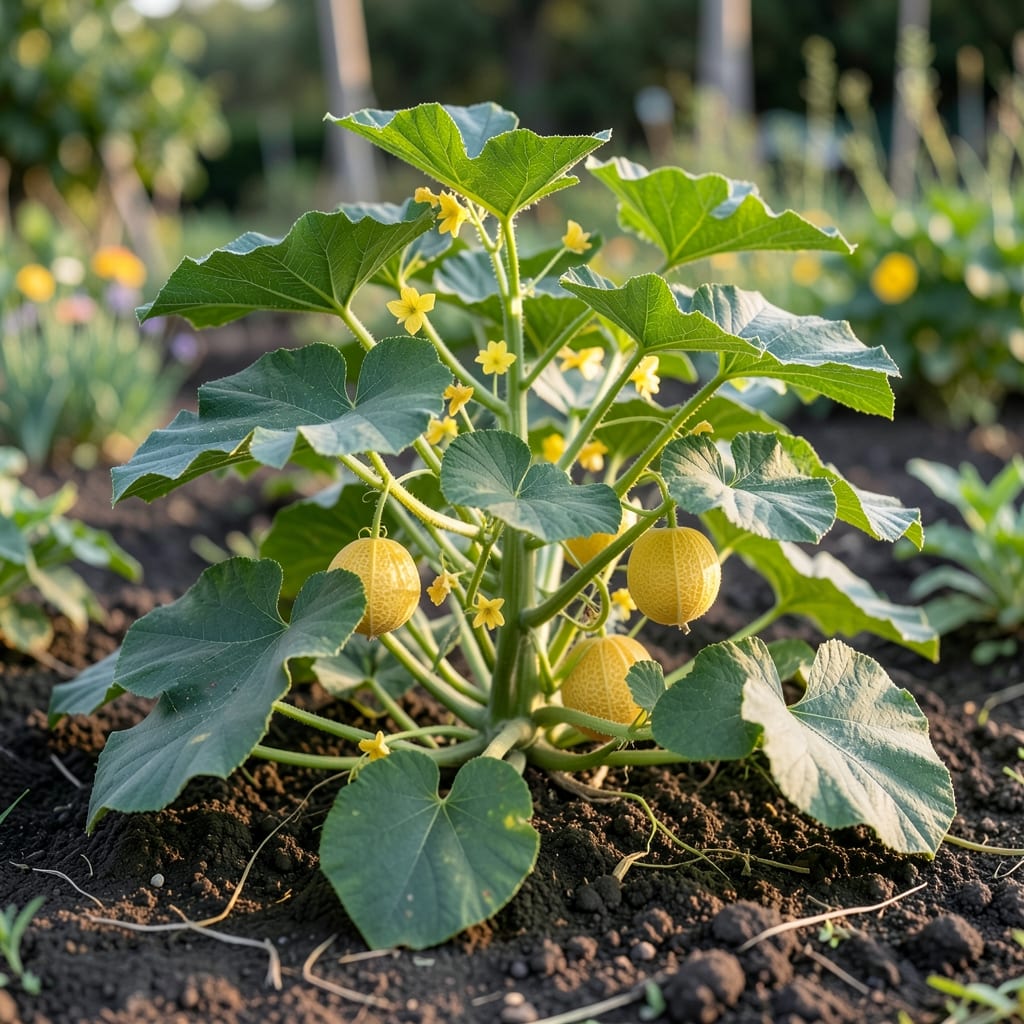
That first bite of ripe Korea Yellow Melon changed how I think about homegrown fruit. Its honey-sweet aroma fills the garden before you even see the vines.
These melons thrive in full sun with consistent moisture, producing golden fruit that’s crisp yet tender. The vines spread aggressively, so give them 6 feet of space or a sturdy trellis for vertical growth.
📚 In This Guide
Here’s the method I rely on to grow these fragrant melons with minimal hassle and maximum flavor.
Choose a location with full sun exposure, as these melons thrive in warmth and bright light. The soil should be well-draining, rich in organic matter, and slightly acidic to neutral (pH 6.0-7.0). I always test my soil first—it saves time and prevents stunted growth.
Work the soil to a depth of 12-18 inches, removing any rocks or debris that could obstruct root development. Incorporate a generous layer of compost or well-rotted manure to boost fertility. This ensures the vines have access to nutrients throughout the growing season.
Start seeds indoors 3-4 weeks before the last frost if you’re in a cooler climate. Sow them ½ inch deep in seed trays filled with a sterile potting mix. Keep the soil consistently moist and maintain a temperature of 75-85°F for optimal germination.
Once the danger of frost has passed, transplant seedlings into the prepared site, spacing them 24-36 inches apart. If direct sowing, plant seeds 1 inch deep and space them 36 inches apart. This gives the vines room to sprawl without competing for nutrients or light.
Korea yellow melons benefit from a trellis or support structure to keep the fruit off the ground, reducing the risk of rot and pest damage. I use a sturdy 5-6 foot tall trellis and gently tie the vines as they grow. This also makes harvesting easier.
Water deeply at the base of the plants, ensuring the soil stays evenly moist but not waterlogged. Aim for 1-2 inches of water per week, adjusting for rainfall. Mulch around the plants with straw or organic matter to retain moisture and suppress weeds.
Apply a balanced, water-soluble fertilizer every 2-3 weeks during the growing season. I prefer a 10-10-10 or 5-10-10 formula to encourage both foliage and fruit development. Switch to a low-nitrogen fertilizer once the vines start producing flowers to prioritize fruit over leaves.
Keep an eye out for common pests like aphids, cucumber beetles, and spider mites. Use organic pest control methods such as neem oil or insecticidal soap if necessary. Regularly inspect the undersides of leaves and the base of the vines for early signs of trouble.
Korea yellow melons are ready to harvest when the rind turns a golden-yellow color and the fruit emits a sweet, fragrant aroma. The stem should begin to crack slightly where it attaches to the vine, a sign the melon is ripe. This typically occurs 70-80 days after planting.
Use a sharp knife or pruning shears to cut the melon from the vine, leaving a short stem attached. Handle the fruit gently to avoid bruising. Store harvested melons at room temperature for a few days to allow them to fully ripen before refrigerating.
Here are the key details that will help you cultivate these melons successfully from seed to harvest.
Soil Preparation: Work the soil to a depth of 12-18 inches as outlined in Step 1, but don’t overlook the pH testing. Korea yellow melons perform best in that 6.0-7.0 range, and I’ve found that even slightly acidic soil can dramatically improve both growth rate and fruit sweetness. A simple home test kit is all you need to get this right.
Germination Temperature: In Step 2, maintaining that 75-85°F range for seed starting is non-negotiable. I learned the hard way that temperatures below 70°F can delay germination by weeks or prevent it entirely. If your indoor space is cool, consider a seedling heat mat to hit that optimal range consistently.
Support System: The 5-6 foot tall trellis mentioned in Step 3 isn’t just a suggestion—it’s essential for these vigorous vines. Without proper support, the fruit can rot from ground contact, and the plants become nearly impossible to manage. I use soft plant ties to secure vines without damaging them as they grow.
Watering Discipline: That 1-2 inches of water per week target in Step 3 requires precision. Overwatering is just as harmful as underwatering with these melons. I water deeply at the base in the morning, allowing the top inch of soil to dry out between waterings. This prevents both rot and fungal issues while encouraging deep root development.
Korea yellow melon, also known as chamoe, is a sweet, aromatic variety popular in Korean cuisine. Unlike regular melons, it has a golden-yellow rind, crisp white flesh, and a honey-like flavor with a stronger fragrance.
Plant seeds in late spring (May) when soil temperatures reach at least 60°F (15°C). This warm-season crop thrives in full sun and well-drained soil, ensuring optimal growth and sweetness.
Yes! Use a large container (at least 5 gallons) with good drainage. Dwarf or compact varieties work best. Ensure the plant receives 6-8 hours of sunlight daily and regular watering.
Yellow leaves often indicate overwatering, nutrient deficiency (like nitrogen), or pest issues. Check soil moisture, fertilize as needed, and inspect for pests like aphids or spider mites.
Try honeydew, cantaloupe, or Canary melon for similar sweetness and texture. While flavors may vary slightly, these alternatives work well in most recipes calling for Korea yellow melon.