
Beautiful Plants For Your Interior
Beautiful Plants For Your Interior
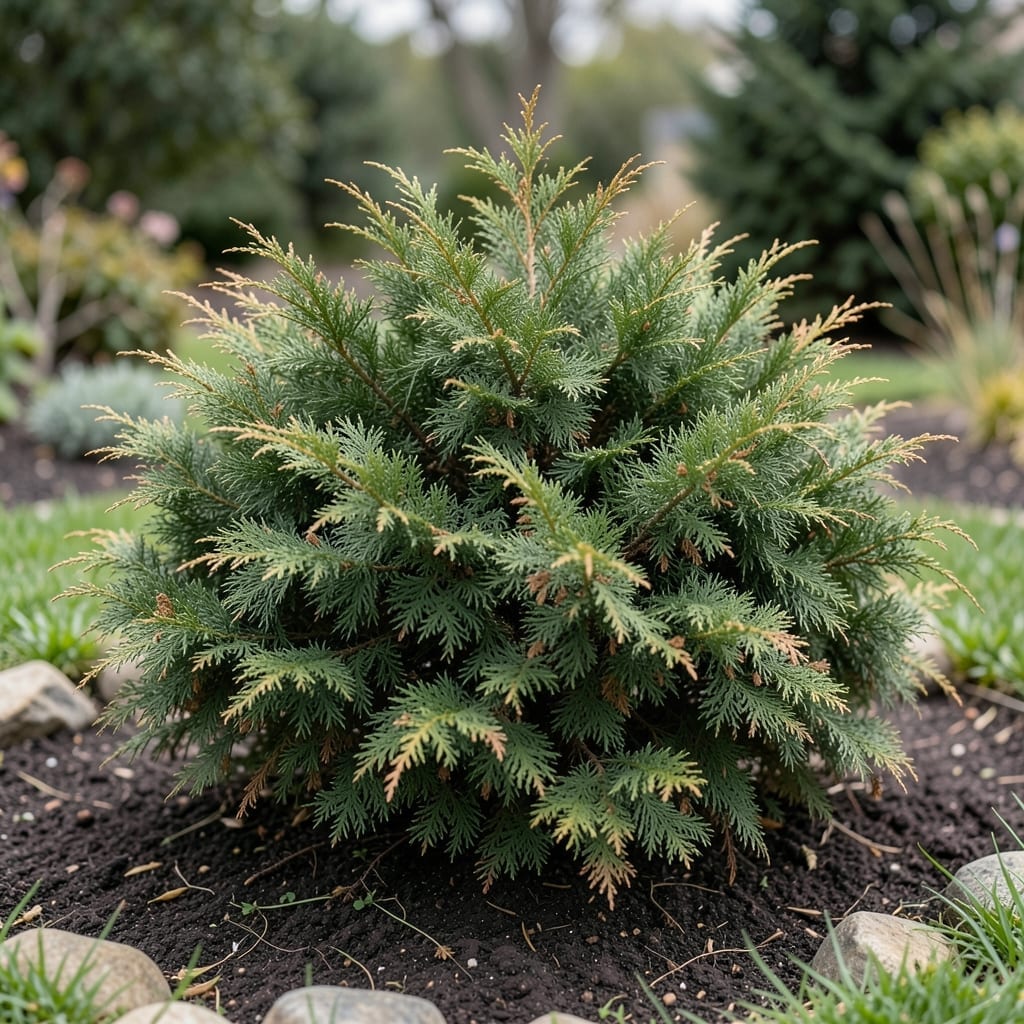
Brown junipers don’t mean they’re done for. I’ve saved more than a few by catching the early signs—dry patches, brittle needles, or sudden color shifts that scream something’s wrong.
Most cases trace back to 3 common culprits: bone-dry soil, winter burn, or sneaky spider mites. The fix often starts with a deep watering and a close look at recent weather or care changes.
Once you pinpoint the stressor, recovery can happen in 2-4 weeks with consistent care. New growth will emerge bright green at the tips, signaling your plant’s making a comeback.
Prevention’s simpler than cure—regular checks and seasonal adjustments keep evergreens thriving year-round.
Juniper browning is often a sign of stress or disease, and pinpointing the cause is the first step to revival. Here are the most common culprits behind this unsightly issue:
Extreme temperatures, drought, or excessive moisture can push junipers to their limits. These evergreens thrive in well-drained soil and prefer moderate conditions. Heat scorch during summer or frost damage in winter can turn foliage brown, especially if the plant lacks adequate water or insulation. Ensure consistent moisture (not soggy) and mulch to regulate soil temperature.
Junipers hate “wet feet.” Root rot from poor drainage or overwatering suffocates roots, cutting off nutrient and water uptake. Signs include yellowing before browning and a foul odor from the soil. Fix it: Amend heavy clay soil with sand or compost, and water only when the top 1-2 inches of soil are dry.
Phomopsis and Kabatina are fungal infections that target stressed junipers, causing tip blight or branch dieback. Look for brown or blackened needles starting at the tips. Prune affected areas immediately, increase airflow, and apply a copper-based fungicide in early spring or fall as a preventive.
Spider mites, bagworms, and scale insects sap the plant’s vitality, leading to discoloration. Spider mites thrive in hot, dry conditions, while bagworms spin protective cocoons on branches. Inspect the foliage closely—neem oil or insecticidal soap can treat mild infestations. For severe cases, use horticultural oil or systemic insecticides.
Junipers prefer slightly acidic to neutral soil (pH 6.0–7.5). Alkaline soil or nutrient deficiencies (like iron or nitrogen) can cause chlorosis (yellowing) followed by browning. Test your soil and amend with sulfur to lower pH or add a balanced, slow-release fertilizer designed for evergreens in early spring.
If your juniper is turning brown, don’t panic—there are practical fixes for every common cause. Below are targeted solutions, plus prevention tips to keep your evergreen thriving.
If the soil is bone-dry, give your juniper a slow, deep watering at the base (1–2 inches of water). Use a soaker hose to encourage deep root growth. Prevention: Water weekly during dry spells, and mulch with bark to retain moisture. 💡 Pro tip: Stick your finger 2 inches into the soil—if it’s dry, it’s time to water.
Brown, mushy roots? Stop watering immediately and check drainage. If the soil stays soggy, amend it with sand or perlite to loosen compacted earth. For potted junipers, ensure pots have drainage holes. Prevention: Plant in well-draining soil and avoid waterlogged areas. 🌡️ Pro tip: Junipers prefer dry soil over wet—when in doubt, hold off on watering.
If browning appears on the side facing harsh afternoon sun, erect a temporary shade cloth (30–50% shade) during peak heat. Young junipers are especially vulnerable. Prevention: Plant in a spot with morning sun and afternoon shade in hot climates. ✨ Pro tip: Avoid sudden exposure—acclimate new plants gradually to full sun.
Inspect for webbing (spider mites) or white fluff (mealybugs). Blast pests off with a strong stream of water, then apply neem oil or insecticidal soap weekly. For severe cases, prune heavily infested branches. Prevention: Encourage beneficial insects like ladybugs and keep the area free of debris. 🎯 Pro tip: Treat early morning or late evening to avoid harming pollinators.
Remove all brown, diseased branches with sterilized pruners (dip in rubbing alcohol between cuts). Thin out dense growth to improve airflow. Apply a copper fungicide if the problem persists. Prevention: Space plants properly and avoid overhead watering. ✨ Pro tip: Disinfect tools after use to prevent spreading spores.
If browning follows fertilizer or de-icing salt use, flush the soil with water to leach out excess salts. Repeat 2–3 times over a week. Prevention: Use slow-release fertilizers sparingly and keep salt-laden snow away from roots. 💡 Pro tip: Test soil pH annually—junipers prefer slightly acidic to neutral soil (6.0–7.0).
Check the soil 2 inches down. If bone-dry, it needs water. If soggy or smelly, it’s overwatered. Underwatered plants feel crispy, while overwatered ones may have mushy roots.
Dead brown branches won’t regrow, but the plant can recover. Prune the brown areas to help it focus energy on healthy growth. New green tips signal recovery.
If the entire plant is brown, check for green under the bark. If dry and brittle throughout, it may be too late. If any green remains, try reviving with proper watering and care.
Water deeply once a week during dry spells. Use a soaker hose for 1–2 inches of water. Morning watering helps prevent fungal issues.